How Technology Helps Employees Manage Workloads More Efficiently?
Gusti Ayu Tita P
20 Oktober 2026
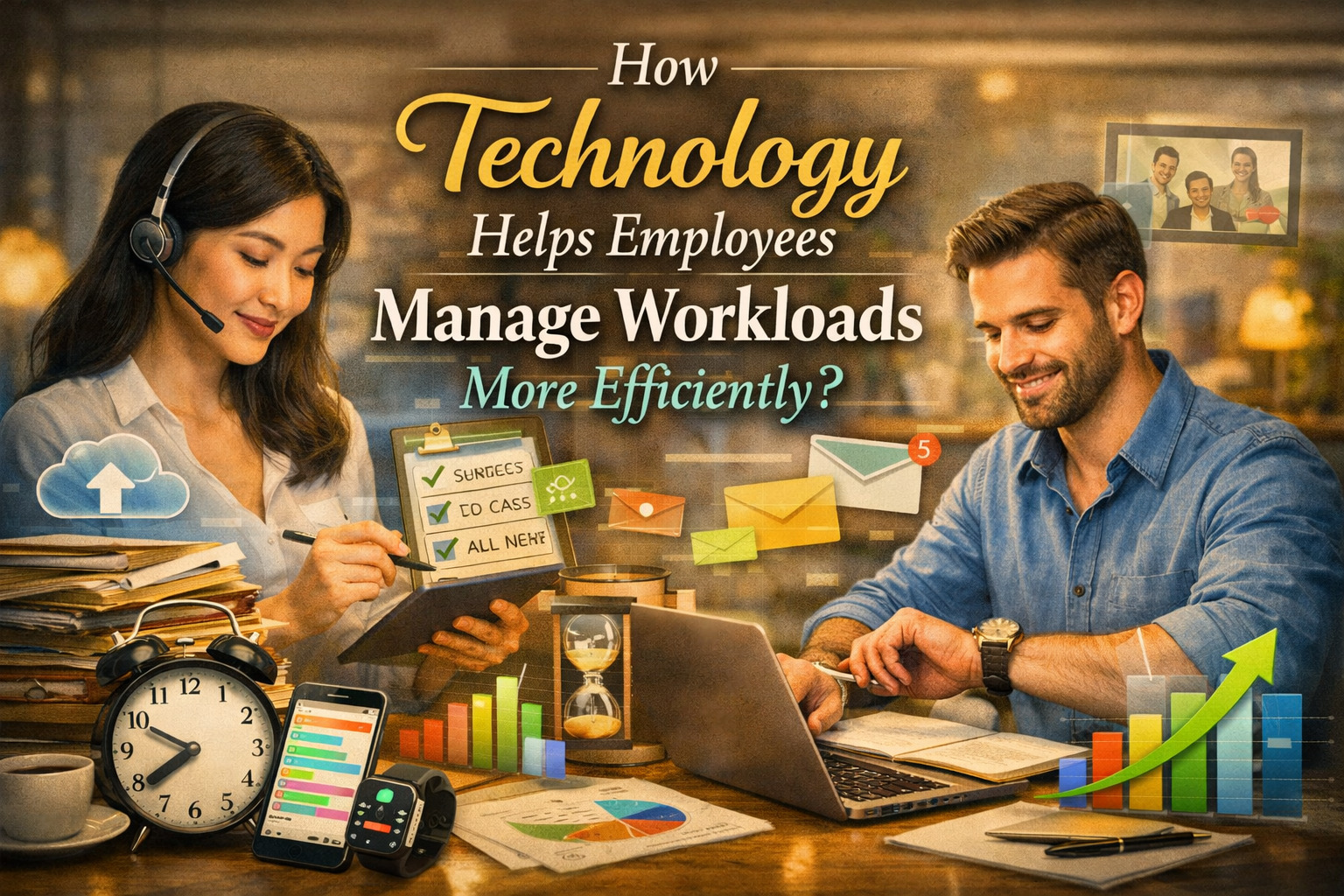
Managing workloads has become one of the biggest challenges in modern workplaces. Employees often handle multiple tasks, tight deadlines, and complex responsibilities at the same time. Without proper support, heavy workloads can reduce productivity, increase stress, and affect work quality.
The development of technology in the workplace provides solutions that help employees organize tasks, improve communication, and complete responsibilities more effectively. Through various digital tools, companies can create a more efficient work environment where employees can manage their time and priorities better. Understanding how technology supports workload management is important for organizations that want to improve performance and maintain employee well-being.
THE ROLE OF TECHNOLOGY IN MODERN WORKLOAD MANAGEMENT
Technology plays an important role in helping employees manage their daily responsibilities more effectively. With the support of digital technology, employees can organize tasks, monitor progress, and complete projects with better accuracy. Tools such as task management applications, cloud platforms, and communication systems allow workers to handle workloads in a more structured way.
In the past, employees often depended on manual methods to record schedules and track tasks. Today, workload management systems provide automated features that reduce unnecessary effort and save valuable time. These technologies help employees focus on important activities instead of spending too much time on administrative tasks.
The use of technology also allows companies to identify workload problems earlier. Managers can monitor project progress, evaluate team performance, and adjust responsibilities when necessary. As a result, technology helps create a healthier balance between employee responsibilities and available resources.
DIGITAL TOOLS HELP EMPLOYEES ORGANIZE PRIORITIES
One of the biggest benefits of technology is its ability to help employees organize and prioritize their work. Applications such as project management platforms, digital calendars, and productivity software allow workers to create schedules and set deadlines clearly. This makes it easier for employees to understand which tasks require immediate attention.
Digital tools also reduce the risk of forgetting important assignments. Employees can receive reminders, track completed tasks, and view project timelines in real time. These features support better planning and encourage employees to work in a more organized manner.
By using technology effectively, employees can divide large projects into smaller and manageable steps. This approach improves employee productivity because workers can focus on completing tasks based on priority levels. Proper organization also helps reduce workplace stress caused by unclear responsibilities and poor time management.
AUTOMATION REDUCES REPETITIVE WORKLOADS
Automation is one of the most valuable technological developments for improving workplace efficiency. Many routine activities, such as data entry, report generation, and scheduling, can now be completed automatically using advanced software. This allows employees to spend more time on creative tasks and strategic decision-making.
Workplace automation helps reduce human errors and increases the speed of completing repetitive processes. Employees no longer need to waste energy on tasks that can be handled by digital systems. Instead, they can focus on activities that require problem-solving skills, communication, and innovation.
Companies that implement automation properly can create a more productive working environment. Employees experience fewer unnecessary workloads, while organizations benefit from faster and more accurate operations. This shows that technology is not only a tool for convenience but also a solution for improving overall performance.
TECHNOLOGY IMPROVES TEAM COMMUNICATION AND COLLABORATION
Effective communication is essential for managing workloads, especially in teams with multiple projects. Technology provides communication platforms that allow employees to share information, discuss tasks, and collaborate more easily. These platforms help teams stay connected even when working from different locations.
Through collaboration technology, employees can access shared documents, update project information, and provide feedback quickly. This prevents misunderstandings and ensures that every team member understands their responsibilities. Better communication also helps reduce delays caused by poor coordination.
Modern workplaces depend on technology to create stronger teamwork. When employees can communicate efficiently, workload distribution becomes more balanced. As a result, teams can achieve goals faster while maintaining high-quality results.
CLOUD TECHNOLOGY SUPPORTS FLEXIBLE WORK SYSTEMS
Cloud technology has changed the way employees access and manage their work. With cloud-based platforms, employees can store, edit, and share files from different devices without being limited to one location. This flexibility supports modern work systems such as remote work and hybrid work.
Cloud technology improves efficiency because employees can access important information whenever needed. Teams can continue working on projects without delays caused by limited access to files or documents. This creates a more flexible and responsive workplace environment.
In addition, cloud systems improve data security through controlled access and backup features. Employees can work with confidence because important information is protected. The combination of flexibility and security makes cloud technology an important part of modern workload management.
ARTIFICIAL INTELLIGENCE HELPS OPTIMIZE EMPLOYEE PERFORMANCE
Artificial Intelligence or AI is becoming an important technology for improving how employees manage workloads. AI-based systems can analyze work patterns, recommend better schedules, and identify areas where productivity can be improved. These capabilities help employees make smarter decisions about their daily tasks.
Artificial Intelligence technology can also support employees by providing automated assistance. For example, AI tools can help summarize information, organize data, and improve workflow processes. This allows employees to complete tasks faster while maintaining quality standards.
However, technology should be used as a support system rather than replacing human abilities. Employees still need critical thinking, creativity, and communication skills to achieve the best results. When combined with human expertise, AI can significantly improve workplace efficiency.
CONCLUSION
Technology has become an important factor in helping employees manage workloads more efficiently. Through digital tools, automation, cloud systems, and AI solutions, employees can organize tasks, improve communication, and increase productivity. These technologies help reduce unnecessary workloads while creating a more balanced working environment.
Organizations that use technology effectively can improve both employee performance and workplace efficiency. By adopting the right solutions, companies can support employees in completing tasks faster, reducing stress, and achieving better results. In the modern business world, technology is not only a convenience but also a powerful strategy for sustainable workplace success.
About the Author
Gusti Ayu Tita P
Author — STEKOM University
An active author focused on academic issues, educational technology, and human resource development in the campus environment.