
How The MBG Program Supports Equal Access To Nutrition In Indonesia?
Gusti Ayu Tita P
20 Agustus 2026
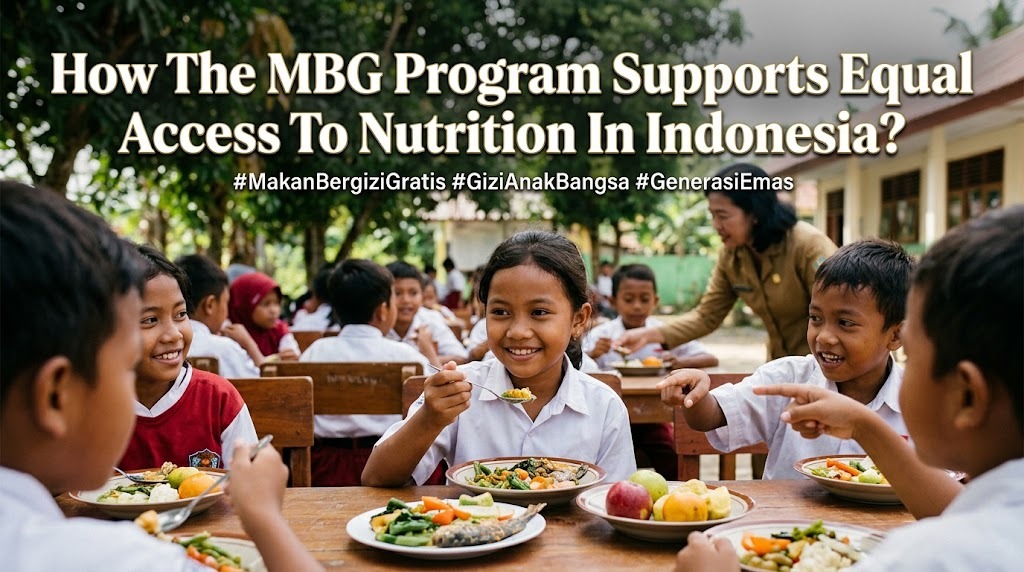
Makan Bergizi Gratis (MBG) is a government initiative designed to improve access to nutritious meals for children and other targeted groups in Indonesia. One of the main goals of this program is to reduce differences in nutritional access among communities with various social and economic conditions. Access to healthy food is an important factor in supporting child growth, learning ability, and overall health. Through the provision of nutritious meals, MBG aims to ensure that more children receive the nutritional support they need. This program represents an effort to create a more equal opportunity for Indonesian children to develop.
UNDERSTANDING NUTRITIONAL INEQUALITY IN INDONESIA
Nutritional inequality occurs when different groups of people have unequal access to sufficient and healthy food. Some families may face challenges due to economic limitations, food availability, geographical conditions, or limited nutrition knowledge. These challenges can affect children's ability to receive balanced meals every day. As a result, some children may experience nutritional problems that influence their growth and development.
Indonesia has diverse regions with different conditions, including urban, rural, and remote areas. These differences can create challenges in ensuring equal access to nutritious food. Improving nutrition requires cooperation between government programs, communities, schools, and families. MBG is one approach that aims to reduce these differences by providing additional nutritional support.
THE ROLE OF MBG IN PROVIDING EQUAL FOOD ACCESS
The main contribution of MBG is providing nutritious meals directly to children who may have different levels of food access at home. By offering meals through schools and other distribution points, the program can reach many children in an organized way. This approach helps reduce the possibility that some students attend learning activities while experiencing hunger. Equal food access can support children's ability to participate in education.
The program also helps ensure that nutrition is not only available to children from certain economic backgrounds. Students from different social conditions can receive similar nutritional support during school activities. This creates a more inclusive environment where children have a better opportunity to meet their dietary needs. Equal nutrition access can become an important foundation for improving children's quality of life.
SUPPORTING CHILDREN'S GROWTH AND DEVELOPMENT
Children require adequate nutrients to support physical growth, brain development, and daily activities. A balanced meal containing carbohydrates, protein, vitamins, minerals, and other nutrients can contribute to healthier development. MBG supports this need by encouraging the availability of meals with appropriate nutritional value. Good nutrition during childhood can influence future health conditions.
Nutrition also affects children's readiness to learn. When students receive sufficient energy and nutrients, they may be better prepared to focus on classroom activities. Although academic success depends on many factors, proper nutrition can create better conditions for learning. Therefore, MBG supports not only health improvement but also educational development.
REDUCING THE IMPACT OF FOOD ACCESS DIFFERENCES
Differences in household income can influence the quality and variety of food available to children. Families with limited resources may find it more difficult to consistently provide balanced meals. MBG can help reduce this challenge by providing additional nutritional support during school hours. This allows children to receive important nutrients regardless of their family economic situation.
The program does not replace the responsibility of families in providing food but works as a supporting effort. Long-term nutritional improvement requires cooperation between households, schools, and public institutions. MBG can become part of a broader strategy to strengthen food security and child welfare. Through collaboration, nutritional gaps can gradually be reduced.
IMPROVING NUTRITION AWARENESS AMONG CHILDREN
Equal access to nutrition is not only about providing food but also about building nutrition awareness. Children need to understand why balanced meals are important for their bodies and future health. MBG can become an opportunity to introduce healthy eating habits through the meals provided. Education about nutrition can help children make better food choices.
Schools can support this process by connecting meal programs with classroom learning. Teachers can explain the benefits of vegetables, fruits, protein sources, and other nutritious foods. When children understand the value of healthy eating, they may carry these habits into their homes and communities. This creates a wider impact beyond the school environment.
SUPPORTING STUDENTS IN REMOTE AND VULNERABLE AREAS
One important challenge in Indonesia is ensuring that children in remote areas receive adequate nutritional support. Geographic conditions, transportation difficulties, and limited food availability can affect access to healthy meals. MBG can help address these challenges by creating structured food distribution systems. This allows more children to receive nutritional support regardless of location.
Programs in vulnerable areas require careful planning and adaptation. Local conditions, available resources, and community involvement should be considered when implementing MBG. Using local food resources can help provide suitable meals while supporting regional food systems. This approach can make nutrition programs more effective and sustainable.
THE IMPORTANCE OF QUALITY AND FOOD SAFETY
Providing equal access to food must also consider food quality and safety. A nutritious meal should be prepared using safe ingredients and proper hygiene practices. Poor food handling can reduce the benefits of a nutrition program and create health risks. Therefore, quality control is an essential part of MBG implementation.
Food preparation, storage, transportation, and distribution need proper management. Food providers should follow safety standards to ensure meals remain suitable for consumption. Regular monitoring can help maintain consistent quality across different locations. Equal access means not only receiving food but receiving safe and nutritious food.
ENCOURAGING COMMUNITY PARTICIPATION
Community involvement can strengthen the success of MBG. Schools, parents, local organizations, and food suppliers can contribute to effective implementation. Community participation helps identify local needs and provides support during program activities. This cooperation can make nutrition programs more responsive to real conditions.
Parents can also reinforce healthy eating habits at home. When children receive similar messages about nutrition at school and home, healthy behaviors become easier to maintain. Community support can increase awareness and responsibility toward children's health. Strong cooperation creates a foundation for sustainable nutrition improvement.
SUPPORTING NATIONAL HUMAN RESOURCE DEVELOPMENT
Nutrition investment during childhood is closely connected to future human resource quality. Healthy children have better opportunities to develop their knowledge, skills, and abilities. MBG supports this process by improving access to essential nutrition during important stages of growth. A healthier generation can contribute positively to Indonesia's future development.
However, nutrition programs should work together with education, healthcare, sanitation, and other development efforts. Child development is influenced by many interconnected factors. MBG can serve as an important component in building stronger and more productive future generations. Equal nutrition access is therefore not only a health issue but also a national development priority.
CHALLENGES IN IMPLEMENTING EQUAL NUTRITION ACCESS
Although MBG provides important benefits, implementation may face several challenges. These may include distribution difficulties, maintaining food quality, managing resources, and reaching all targeted beneficiaries. Different regions may require different approaches based on their conditions. Continuous improvement is necessary to overcome these challenges.
Effective implementation requires accurate planning, monitoring, and evaluation. Feedback from schools, communities, and beneficiaries can help improve the program. Transparency and accountability are also important to ensure resources are used effectively. By addressing challenges properly, MBG can achieve its goal of supporting more equal nutrition access.
CONCLUSION
The MBG program plays an important role in supporting equal access to nutrition in Indonesia by providing nutritious meals to children from various backgrounds. The program can help reduce nutritional differences, support child development, improve nutrition awareness, and strengthen food security. However, its success depends on food quality, effective distribution, community participation, and continuous evaluation. Equal nutrition access requires cooperation between government, schools, families, and communities. With proper implementation, MBG can contribute to creating a healthier generation and improving the future quality of Indonesia's human resources.
About the Author
Gusti Ayu Tita P
Author — STEKOM University
An active author focused on academic issues, educational technology, and human resource development in the campus environment.















