How the Youth Red Cross Promotes Healthy Living in Schools?
Gusti Ayu Tita P
21 Oktober 2026
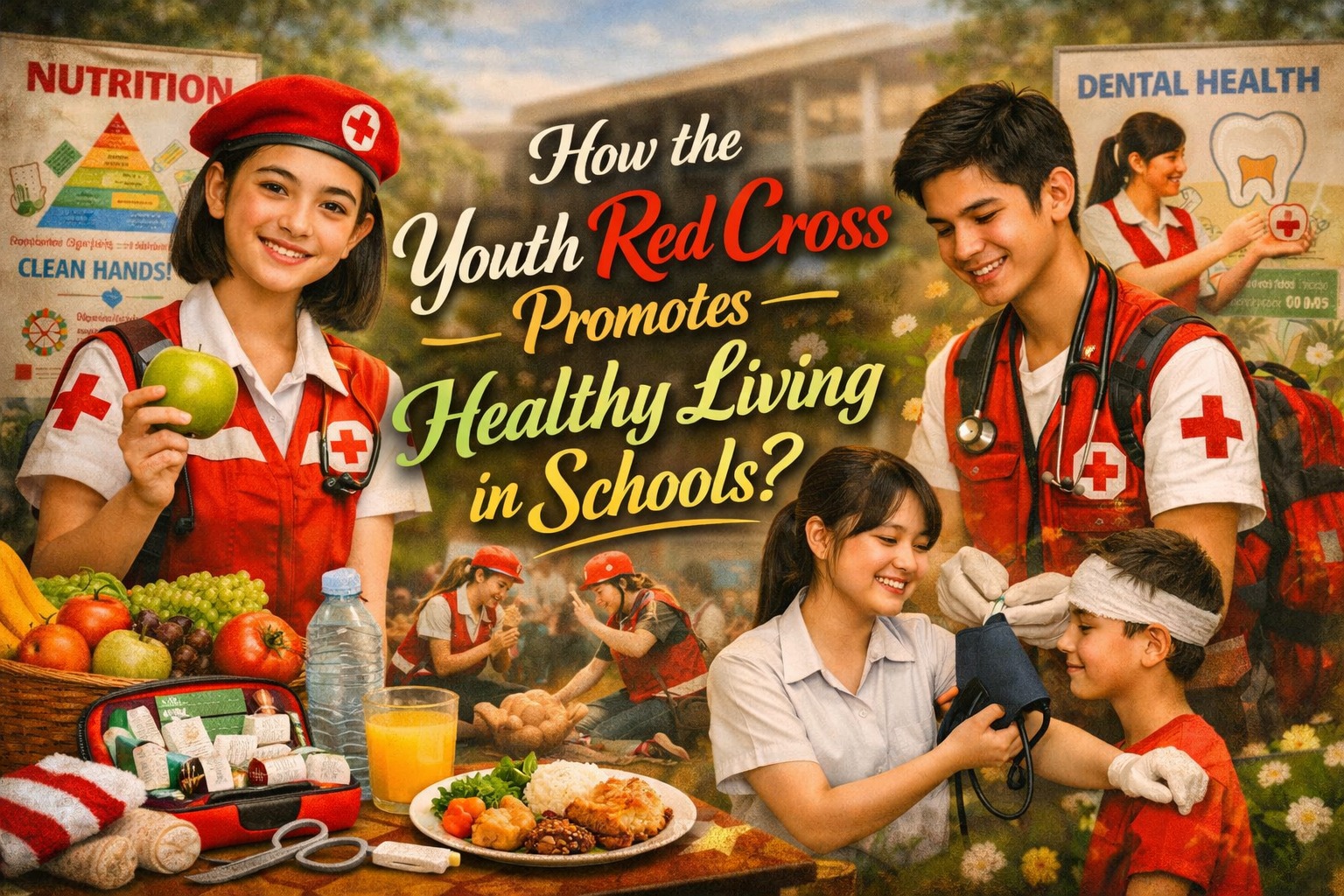
Schools play an important role in shaping healthy habits that can last a lifetime. Besides providing academic education, schools also help students develop good physical, mental, and social well-being. One organization that actively supports this mission is the Youth Red Cross (YRC). Through various educational programs and community activities, the Youth Red Cross encourages students to practice healthy living, care for others, and become responsible members of society.
The Youth Red Cross not only teaches students about first aid but also inspires them to adopt healthier lifestyles. Members learn practical skills that help prevent illness, reduce health risks, and promote a safer school environment. These experiences encourage students to become positive role models who influence their friends and families. As a result, schools become healthier, more caring, and better prepared to face health challenges.
THE ROLE OF THE YOUTH RED CROSS IN HEALTH EDUCATION
The Youth Red Cross provides students with valuable knowledge about maintaining a healthy lifestyle through interactive learning activities. Members participate in workshops, seminars, and campaigns that explain topics such as personal hygiene, balanced nutrition, disease prevention, and mental health awareness. These educational activities are designed to be easy to understand and relevant to students' daily lives. By learning these essential topics, students become more aware of the importance of protecting their own health.
Health education within the Youth Red Cross also focuses on building lifelong habits rather than temporary behavior changes. Students are encouraged to wash their hands properly, eat nutritious meals, exercise regularly, and avoid unhealthy habits. They also learn how small daily actions can prevent many common illnesses. This practical approach helps students develop healthy routines both inside and outside the classroom.
ENCOURAGING CLEAN AND SAFE SCHOOL ENVIRONMENTS
A clean school environment is essential for promoting good health. The Youth Red Cross often organizes school clean-up campaigns, sanitation projects, and environmental awareness programs. These activities teach students that cleanliness helps prevent the spread of bacteria, viruses, and other harmful microorganisms. Students also learn to properly manage waste and keep classrooms organized.
In addition, Youth Red Cross members encourage their classmates to maintain clean restrooms, classrooms, and school grounds. They actively participate in campaigns that promote recycling and environmental responsibility. These efforts create a healthier learning environment while fostering teamwork and responsibility among students. As a result, schools become cleaner, safer, and more comfortable places for everyone.
PROMOTING HEALTHY LIFESTYLES THROUGH DAILY HABITS
The Youth Red Cross motivates students to build healthy habits that improve their overall well-being. Members encourage regular physical activity, sufficient sleep, proper hydration, and healthy eating patterns. They also explain the dangers of excessive junk food consumption and inactive lifestyles. These lessons help students understand how daily choices affect their long-term health.
Students are also introduced to the importance of maintaining mental health by managing stress, building positive friendships, and seeking support when needed. The organization promotes kindness, empathy, and emotional resilience through group discussions and peer support activities. These programs help students develop confidence while maintaining a balanced lifestyle. Healthy habits learned at school often continue throughout adulthood.
DEVELOPING FIRST AID AND EMERGENCY RESPONSE SKILLS
One of the primary responsibilities of the Youth Red Cross is teaching basic first aid. Students learn how to respond safely to common emergencies such as minor cuts, burns, nosebleeds, sprains, and fainting. Proper training enables students to provide immediate assistance before professional medical help arrives. These practical skills can reduce the severity of injuries and improve emergency outcomes.
Regular first aid simulations and emergency drills also improve students' confidence and decision-making abilities. Members practice teamwork, communication, and problem-solving during emergency scenarios. They learn to remain calm while following correct safety procedures. This preparation creates a more responsive and prepared school community.
BUILDING LEADERSHIP AND COMMUNITY RESPONSIBILITY
The Youth Red Cross develops students into responsible leaders who care about the well-being of others. Members organize health campaigns, educational events, blood donation awareness programs, and community service activities. Through these experiences, students improve their communication, organizational, and leadership skills. They become active contributors to creating healthier schools and communities.
Community involvement also teaches students the value of volunteerism, compassion, and teamwork. By helping others, they develop empathy and stronger social relationships. These experiences encourage students to become responsible citizens who are willing to serve their communities. Leadership developed through the Youth Red Cross often benefits students throughout their academic and professional lives.
CONCLUSION
The Youth Red Cross plays a significant role in promoting healthy living in schools through education, practical training, and community involvement. By teaching first aid, encouraging healthy habits, maintaining clean environments, and developing leadership skills, the organization helps students become healthier and more responsible individuals. These programs not only improve students' well-being but also strengthen the overall school community.
As schools continue to prioritize health education, the Youth Red Cross remains an essential partner in preparing students for healthier futures. The knowledge, skills, and values gained through participation inspire students to care for themselves, help others, and contribute positively to society.
About the Author
Gusti Ayu Tita P
Author — STEKOM University
An active author focused on academic issues, educational technology, and human resource development in the campus environment.