
How to Apply Electronic Stamp Duty Correctly to Electronic Files?
Gusti Ayu Tita P
22 Agustus 2026
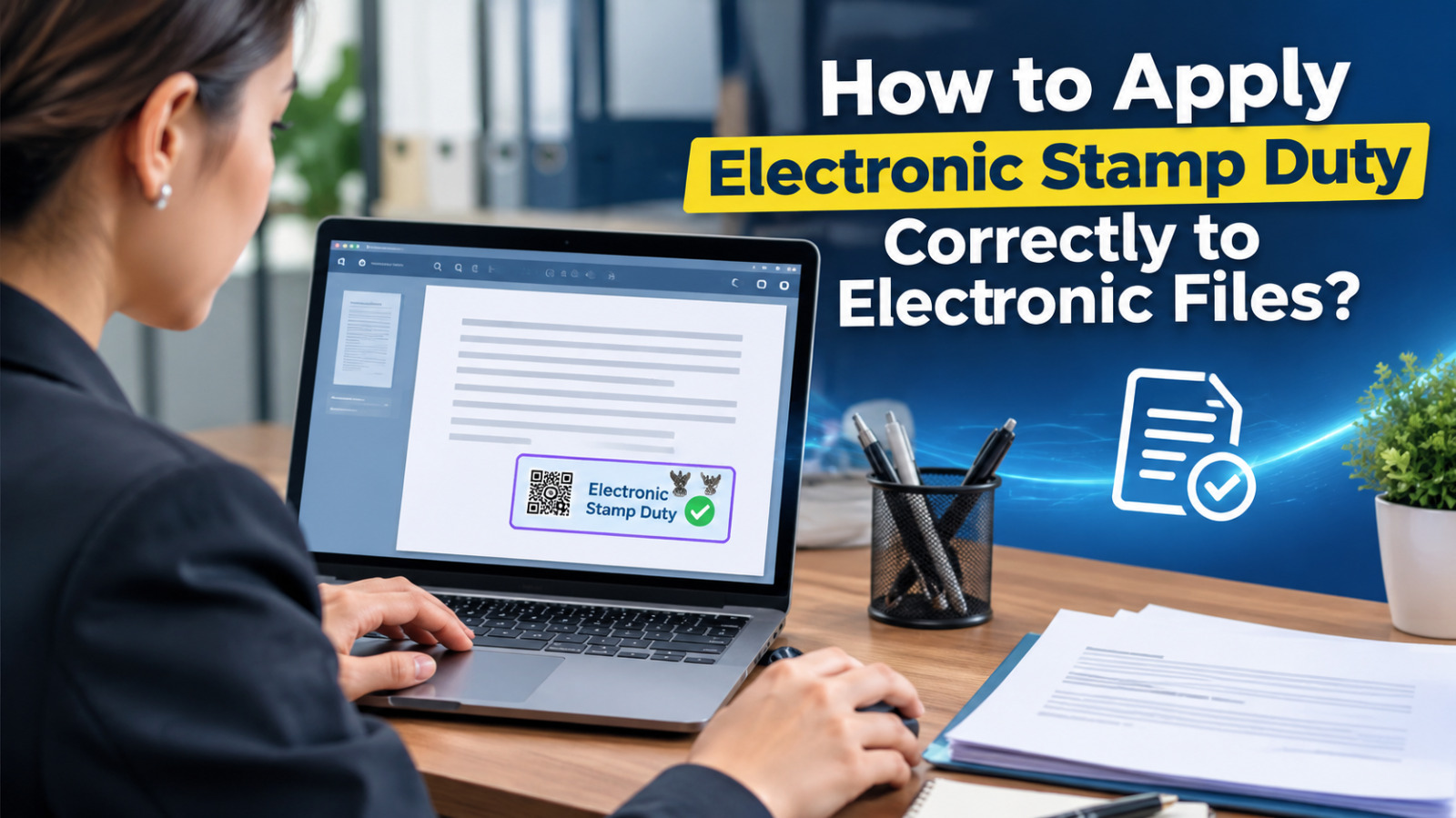
Electronic documents are now widely used for contracts, agreements, invoices, and other business transactions. As more administrative activities move online, the use of electronic stamp duty has become increasingly relevant for documents that are subject to stamp duty requirements. However, applying it correctly requires attention to the document type, applicable regulations, and the official process. A proper procedure can help businesses avoid errors that may affect document administration. This article explains the practical steps to apply electronic stamp duty correctly to electronic files.
UNDERSTANDING ELECTRONIC STAMP DUTY
Electronic stamp duty is a digital form of stamp duty used for eligible electronic documents. In Indonesia, electronic stamp duty is commonly known as e-Meterai and is intended for documents in digital form that meet the applicable stamp duty provisions. It is different from simply inserting an image of a physical stamp into a PDF because an electronic stamp must be applied through an authorized system. The document should also meet the requirements established by the relevant regulations. Understanding these basic principles is important before applying the stamp to any electronic file.
The purpose of electronic stamp duty is not to replace the substance of an agreement or act as a digital signature. Instead, it fulfills a stamp duty obligation when a document falls within the scope of taxable documents. Therefore, users should first determine whether their electronic document actually requires stamp duty. Checking this point before purchasing or applying an electronic stamp can prevent unnecessary costs and administrative mistakes.
CHECK WHETHER THE DOCUMENT REQUIRES STAMP DUTY
Before applying an electronic stamp, identify the type and purpose of the electronic document. Certain documents related to agreements, transactions, or other legal activities may be subject to stamp duty under Indonesian regulations. The obligation can depend on the nature of the document and the transaction associated with it. Therefore, users should not assume that every PDF or digital file automatically needs an electronic stamp. Checking the applicable stamp duty rules first is an important step in the process.
Users should also make sure that the document is complete before the stamp is applied. Important information such as names, dates, agreement details, and other required terms should be reviewed carefully. If major changes are made after stamping, the user may need to reassess whether the electronic stamp has been applied correctly. This is particularly important for digital contracts because the final version should accurately represent the agreement between the parties.
PREPARE THE ELECTRONIC FILE PROPERLY
The next step is to prepare the electronic document that will receive the stamp. A commonly used format is PDF, although users should follow the requirements of the authorized electronic stamp platform they use. Before uploading the file, check the document carefully for spelling errors, missing information, incorrect dates, or incomplete signatures where applicable. Preparing the final version first can reduce the risk of having to make changes after the electronic stamp is attached.
It is also important to ensure that the file is readable and has not been unnecessarily altered. Users should keep a copy of the original document before applying the stamp for document management purposes. After the stamping process is completed, the stamped file should also be stored securely. Maintaining both the original and final versions can make future verification and record keeping easier.
APPLY THE ELECTRONIC STAMP THROUGH AN AUTHORIZED PLATFORM
After the document is ready, users can access an authorized electronic stamp provider or platform that supports the official e-Meterai process. The user generally needs to log in or register, select the electronic stamp service, upload the appropriate document, and follow the instructions provided by the platform. The stamp should be placed in the designated area without covering important text or information. Users should carefully review the placement before completing the transaction.
The electronic stamp should not be copied from another document or added manually as an ordinary image. A legitimate electronic stamp involves a secure digital process that allows the document to be associated with the required electronic stamp information. After the process is completed, download or save the resulting document according to the platform's instructions. Always use the latest official guidance because technical procedures and platform features may change over time.
VERIFY AND STORE THE STAMPED DOCUMENT
Applying an electronic stamp is not necessarily the final step. After stamping, users should open the resulting file and confirm that the document remains readable and that the stamp appears in the intended location. Where verification features are provided, users should check the authenticity or validity of the electronic stamp using the relevant official mechanism. This can help identify problems before the document is submitted to another party.
Proper storage is equally important for long-term digital document security. Keep the final stamped document in a secure location with appropriate access controls and backups. Businesses should also establish clear procedures for naming, organizing, and retrieving important electronic files. Good document storage practices help reduce the risk of accidental deletion, unauthorized changes, or loss of important records.
COMMON MISTAKES AND CONCLUSION
One common mistake is assuming that an electronic stamp is simply a picture that can be pasted onto a document. Another mistake is applying the stamp before checking whether the document is subject to stamp duty or before completing the final version. Users should also avoid obtaining electronic stamps from unauthorized sources because this can create authenticity and security concerns. Using the correct process and an authorized provider is essential for reliable electronic document administration.
In conclusion, applying electronic stamp duty correctly begins with determining whether the document requires stamp duty, preparing the final electronic file, and using an authorized platform. The document should then be reviewed and the electronic stamp applied in the appropriate location. Afterward, users should verify the stamped file and store it securely for future reference. By following these steps, individuals and businesses can manage electronic documents more efficiently while reducing avoidable administrative errors.
About the Author
Gusti Ayu Tita P
Author — STEKOM University
An active author focused on academic issues, educational technology, and human resource development in the campus environment.















