
How to Avoid Major Traffic Jams During the Holiday Return?
Gusti Ayu Tita P
10 Agustus 2026
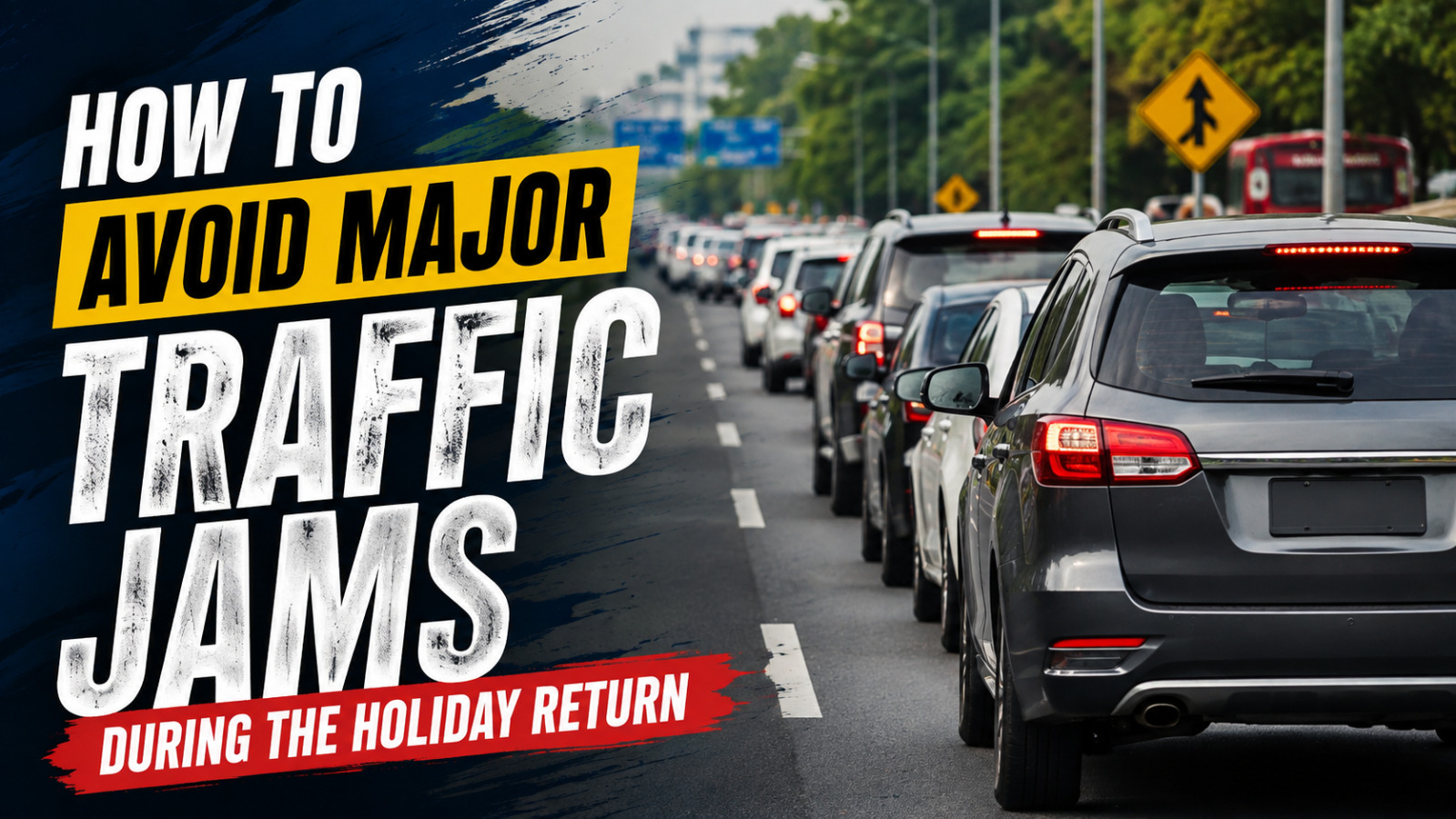
Returning home after a holiday can be challenging, especially when thousands of travelers leave popular destinations at nearly the same time. Heavy traffic, long travel times, crowded rest areas, and driver fatigue can make the journey stressful. Proper planning can help travelers reduce the risk of getting stuck in major traffic jams and make the trip more comfortable.
Knowing when to travel, choosing the right route, preparing the vehicle, and monitoring traffic conditions are important steps before starting the journey. With better preparation, travelers can manage unexpected situations and enjoy a safer and more efficient return journey.
CHOOSE THE RIGHT DEPARTURE TIME
One of the most effective ways to avoid major traffic jams is to choose the right departure time. Travelers should avoid leaving during peak return periods when large numbers of vehicles enter the same roads at once. Early morning or other less crowded periods may provide a smoother journey, depending on the route and current traffic conditions.
Travelers should also check traffic information before leaving. Real time traffic updates can provide useful information about congestion, accidents, road closures, or alternative routes. Adjusting the departure time based on current conditions can significantly reduce the chance of spending hours in traffic.
CHECK TRAFFIC CONDITIONS BEFORE TRAVELING
Checking traffic conditions is essential before beginning a long return trip. Travelers can use navigation applications, traffic information services, and official transportation updates to understand the situation along their planned route. This information can help identify roads that are already experiencing severe congestion.
It is also important to check conditions periodically during the journey. Traffic situations can change quickly because of accidents, weather, road construction, or sudden increases in vehicle volume. Having updated information allows drivers to make better decisions about alternative routes when necessary.
CONSIDER ALTERNATIVE ROUTES
Using an alternative route can be a practical solution when the main road becomes heavily congested. Travelers should identify several possible routes before leaving instead of relying on only one road. Secondary roads and alternative highways may sometimes provide a smoother journey, although drivers should still consider road conditions and safety.
However, alternative routes should not be chosen simply because they appear shorter on a navigation application. Some smaller roads may have limited facilities, poor road conditions, or become crowded when many drivers use them as alternatives. Travelers should therefore choose routes that provide a reasonable balance between travel time, road safety, and available facilities.
PREPARE THE VEHICLE BEFORE DEPARTURE
Vehicle preparation is another important factor in avoiding unnecessary delays. Before traveling, drivers should check tires, brakes, engine oil, coolant, lights, battery, and fuel levels. A vehicle problem during a busy return period can cause significant delays and may also create additional risks for other road users.
Drivers should also make sure that emergency equipment is available in the vehicle. Items such as a spare tire, basic tools, first aid supplies, and drinking water can be useful during unexpected situations. A properly maintained vehicle reduces the possibility of breakdowns and helps travelers complete their journey more safely.
AVOID UNNECESSARY STOPS
Long return journeys naturally require rest, but unnecessary stops can increase total travel time. Travelers should plan their rest stops at suitable locations and avoid stopping repeatedly for minor reasons. Organized rest breaks can make the journey more efficient while still giving drivers enough time to recover.
Drivers should never sacrifice safety simply to arrive faster. If someone feels tired, sleepy, or unable to concentrate properly, stopping for adequate rest is more important than avoiding traffic. Driver alertness is essential for safe travel, especially when dealing with long distances and congested roads.
USE REST AREAS WISELY
Rest areas can become extremely crowded during major holiday return periods. Travelers can reduce delays by choosing rest areas strategically and avoiding locations that are already experiencing heavy congestion. If possible, drivers should monitor available facilities along the route before reaching a crowded area.
Travelers should also avoid spending excessive time at rest areas when traffic conditions are particularly busy. Completing necessary activities efficiently can help maintain a reasonable travel schedule. At the same time, drivers should take enough time to rest properly, eat, drink, and recover before continuing.
KEEP PASSENGERS COMFORTABLE
Passenger comfort can also influence the quality of a return journey. Families traveling with children should prepare food, drinking water, entertainment, medicine, and essential personal items before departure. Proper preparation can reduce the need for frequent stops and make long periods inside the vehicle easier to manage.
Passengers can also help drivers by keeping the vehicle environment calm and organized. During heavy traffic, frustration can increase quickly when everyone is tired. A comfortable and supportive atmosphere can help the driver remain focused and reduce unnecessary stress during the journey.
STAY CALM DURING HEAVY CONGESTION
Even with careful planning, travelers may still encounter severe traffic jams. When this happens, drivers should remain patient and avoid dangerous behavior such as sudden lane changes, driving on emergency lanes without a valid reason, or following other vehicles too closely. Traffic safety should always be more important than arriving quickly.
Drivers should maintain a safe distance and follow traffic regulations. If congestion becomes extremely slow, travelers can use the opportunity to conserve fuel and remain focused. Staying calm helps prevent aggressive driving decisions that could increase the risk of accidents.
CONCLUSION
Avoiding major traffic jams during a holiday return journey requires careful planning, updated traffic information, vehicle preparation, and responsible driving. Choosing a suitable departure time, checking road conditions, preparing alternative routes, and using rest areas wisely can make the journey more efficient.
However, travelers should remember that avoiding congestion should never come at the expense of safety. Patience, proper rest, and safe driving habits remain essential throughout the trip. With good preparation, travelers can return home more comfortably and reduce the risks commonly associated with busy holiday traffic.
About the Author
Gusti Ayu Tita P
Author — STEKOM University
An active author focused on academic issues, educational technology, and human resource development in the campus environment.















