How To Balance Work And Life With Slow Living?
Gusti Ayu Tita P
17 September 2026
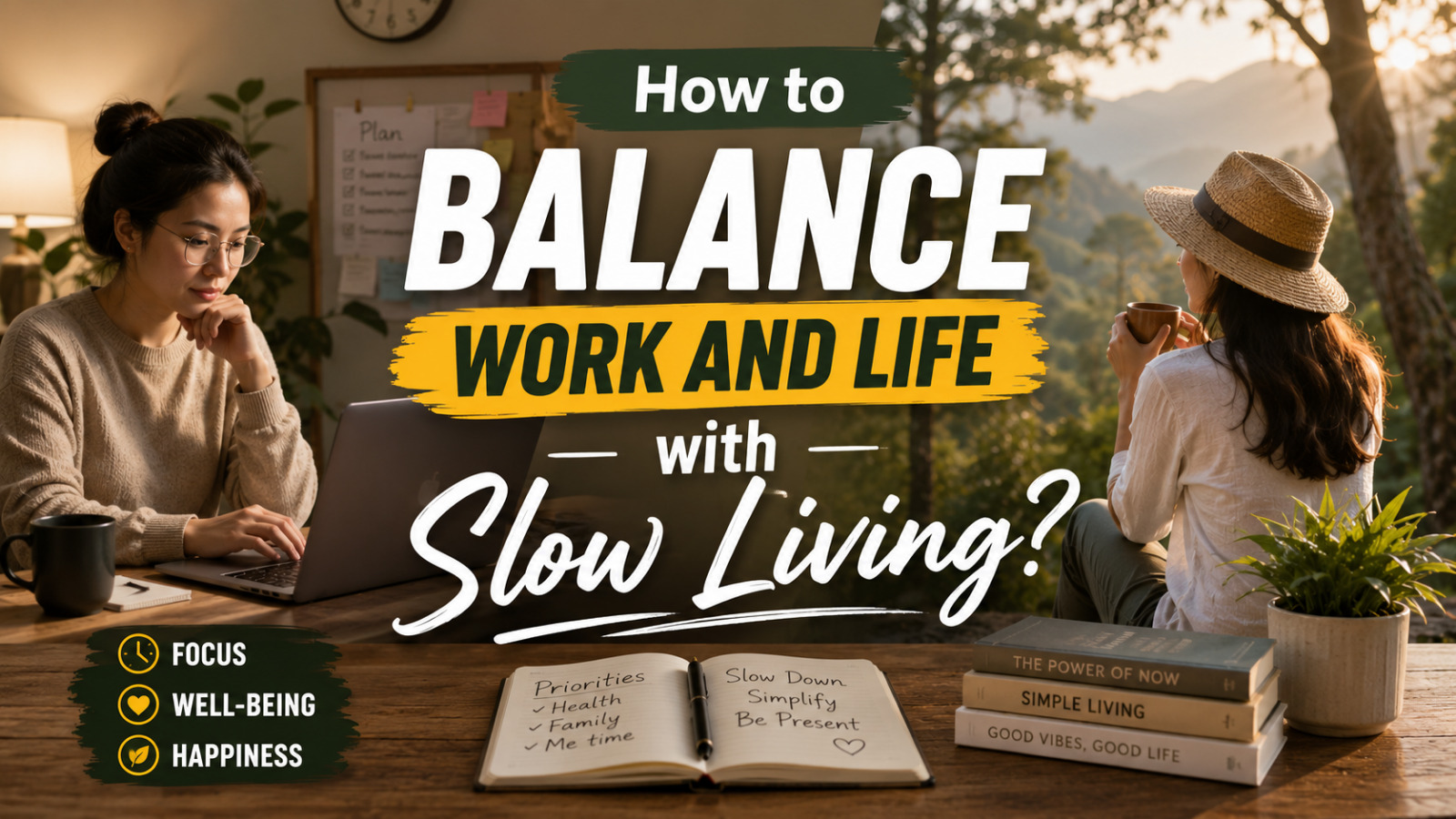
Modern life often moves at a fast pace, making it difficult for many people to maintain a healthy balance between work and personal life. Long working hours, constant digital notifications, and endless responsibilities can lead to stress, burnout, and reduced productivity. This is why many professionals are now embracing Slow Living, a lifestyle that encourages people to be more intentional, mindful, and balanced in their daily routines.
Instead of trying to do everything at once, Slow Living focuses on doing meaningful tasks with full attention while making time for rest, relationships, and personal well-being. This approach does not mean being lazy or avoiding ambition. Rather, it helps individuals work smarter, reduce unnecessary pressure, and enjoy a healthier and more fulfilling life.
WHAT IS SLOW LIVING?
Slow Living is a lifestyle that emphasizes living with purpose rather than constantly rushing to achieve more. It encourages people to focus on quality over quantity, allowing them to make thoughtful decisions and enjoy the present moment. By slowing down, individuals become more aware of their priorities and can create a healthier relationship with work and life.
This philosophy also promotes Work Life Balance by helping people avoid unnecessary stress and burnout. Instead of measuring success by how busy they are, people who practice Slow Living value meaningful experiences, personal growth, and overall well-being. As a result, they often experience greater happiness and long-term satisfaction.
WHY WORK LIFE BALANCE MATTERS?
Maintaining Work Life Balance is essential for both physical and mental health. When work consumes too much time and energy, personal relationships, hobbies, and self-care often suffer. Over time, this imbalance can reduce motivation, creativity, and overall job performance.
A balanced lifestyle allows individuals to recharge, improve focus, and perform better at work. Employees who have enough time to rest are generally more productive, make better decisions, and communicate more effectively with colleagues. Healthy balance also supports emotional stability and long-term career success.
PRACTICAL WAYS TO PRACTICE SLOW LIVING
One of the easiest ways to embrace Slow Living is by simplifying daily routines. Prioritize important tasks instead of trying to complete everything at once. Creating a realistic schedule helps reduce unnecessary stress while improving productivity throughout the day.
Another effective strategy is to limit digital distractions. Setting boundaries for emails, social media, and work notifications allows you to focus on meaningful activities. Spending quality time with family, enjoying hobbies, or simply taking a short walk can significantly improve your overall well-being and help restore mental energy.
BUILDING HEALTHY DAILY HABITS
Healthy habits play a major role in creating a sustainable lifestyle. Getting enough sleep, eating nutritious meals, exercising regularly, and practicing mindfulness all contribute to better physical and emotional health. These habits support consistent energy levels and improve concentration during work hours.
In addition, learning to say no to unnecessary commitments is an important part of Stress Management. Protecting your personal time allows you to maintain healthy boundaries while preventing excessive workloads. Small daily improvements often create lasting positive changes over time.
THE BENEFITS OF SLOW LIVING FOR YOUR CAREER
Many people assume that slowing down reduces productivity, but the opposite is often true. Professionals who practice Slow Living tend to produce higher-quality work because they focus more deeply on each task. They also make fewer mistakes and experience lower stress levels.
A balanced lifestyle improves creativity, communication, and problem-solving skills. Employers increasingly value individuals who can maintain consistent performance without sacrificing their well-being. This makes Slow Living a valuable approach for sustainable career growth and long-term professional success.
COMMON CHALLENGES AND HOW TO OVERCOME THEM
Adopting Slow Living can be difficult in environments that reward constant busyness. Many people feel guilty when taking breaks or believe they must always be available for work. Changing this mindset requires patience and a willingness to redefine personal success.
Start with small changes instead of making drastic adjustments. Schedule regular breaks, establish clear working hours, and prioritize activities that truly matter. Over time, these simple habits become part of your daily routine and help create a healthier balance between work and personal life.
CONCLUSION
Slow Living offers a practical and sustainable way to achieve Work Life Balance without sacrificing career growth or personal goals. By focusing on meaningful priorities, building healthy habits, and reducing unnecessary distractions, individuals can improve productivity while enjoying greater peace of mind.
Balancing work and life is an ongoing process rather than a one-time achievement. With consistency and intentional choices, Slow Living can help create a healthier lifestyle, stronger relationships, improved well-being, and lasting professional success.
About the Author
Gusti Ayu Tita P
Author — STEKOM University
An active author focused on academic issues, educational technology, and human resource development in the campus environment.