
How to Become a Successful Diplomat?
Gusti Ayu Tita P
24 Juli 2026
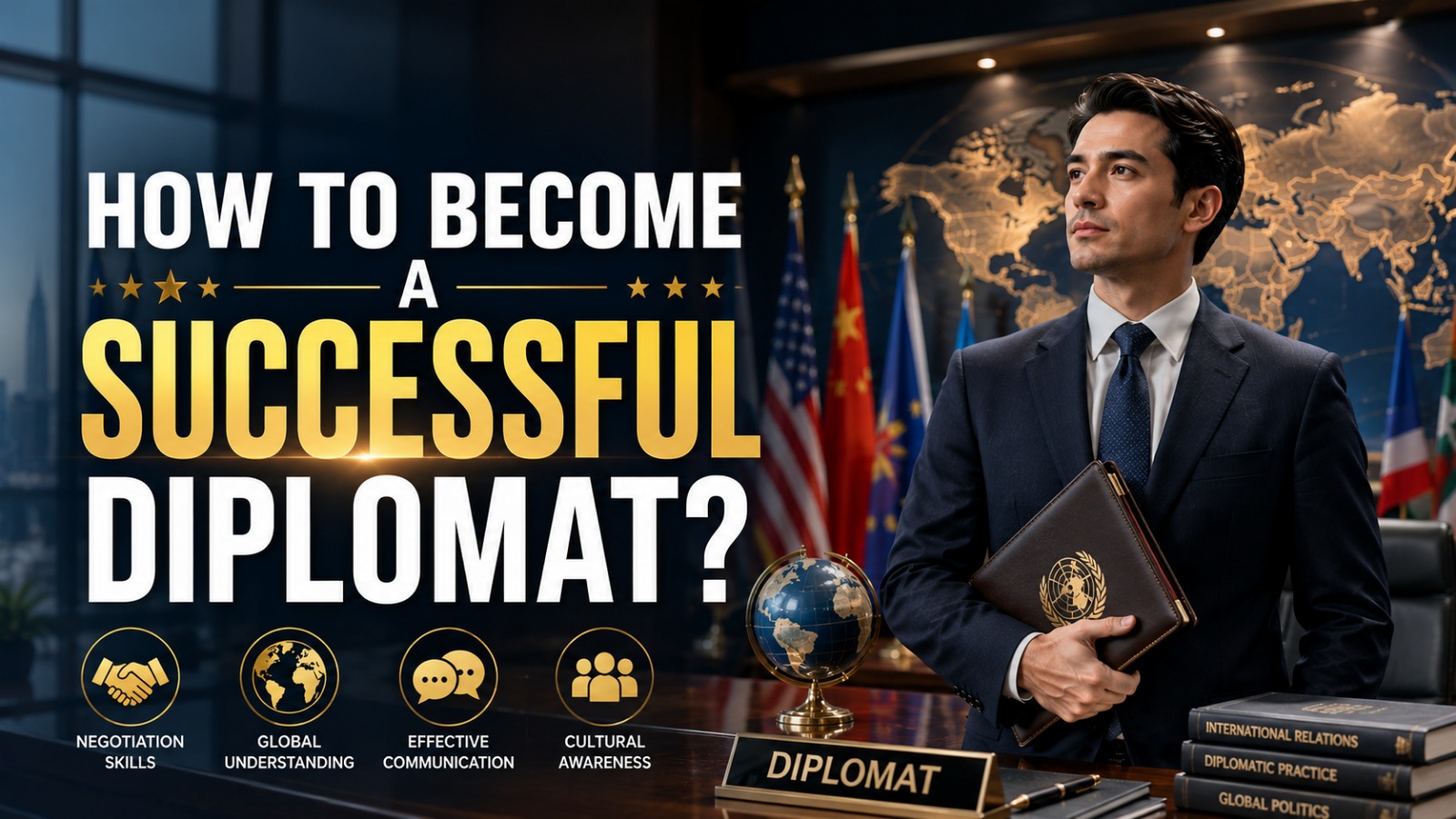
Becoming a successful diplomat is a dream for many people who are interested in international affairs, negotiation, and global cooperation. Diplomats play a crucial role in representing their countries, maintaining peaceful relations, and protecting national interests abroad. However, success in diplomacy requires much more than academic knowledge. It demands excellent communication, cultural awareness, analytical thinking, and the ability to solve complex problems. This article explains the essential steps, skills, and qualities needed to become a successful diplomat.
UNDERSTAND THE ROLE OF A DIPLOMAT
A diplomat is an official representative of a country who works to strengthen relationships with other nations and international organizations. Their responsibilities include negotiating agreements, protecting citizens abroad, promoting economic cooperation, and supporting foreign policy objectives. Diplomats also monitor political, economic, and social developments in the countries where they serve.
The work of a diplomat often involves attending international meetings, preparing official reports, and communicating with government officials from different countries. They must remain professional, objective, and respectful in every situation. Since diplomatic decisions can influence international relations, accuracy and responsibility are essential in every task they perform.
BUILD A STRONG EDUCATIONAL FOUNDATION
A solid educational background is one of the first steps toward becoming a diplomat. Many successful diplomats study International Relations, Political Science, Law, Economics, Public Administration, or Foreign Languages. These fields provide valuable knowledge about global politics, international law, and diplomacy.
In addition to formal education, continuous learning is equally important. Reading international news, understanding global issues, and studying world history help future diplomats develop broader perspectives. Participating in seminars, exchange programs, and international conferences can also improve practical knowledge and professional networks.
DEVELOP ESSENTIAL DIPLOMATIC SKILLS
Communication is one of the most important skills every diplomat must master. Diplomats need to express ideas clearly, negotiate effectively, and listen carefully to different viewpoints. Strong public speaking and writing abilities also help when preparing reports or representing their country in official meetings.
Critical thinking, emotional intelligence, and problem-solving are equally valuable. Diplomatic work often requires handling sensitive issues with patience and professionalism. Being able to remain calm under pressure while finding balanced solutions is a key characteristic of successful diplomats.
MASTER FOREIGN LANGUAGES AND CULTURAL UNDERSTANDING
Foreign language proficiency significantly increases opportunities in diplomatic careers. English is widely used in international diplomacy, but learning additional languages such as French, Spanish, Arabic, Mandarin, or Russian can provide a competitive advantage. Effective communication across languages helps diplomats build trust and reduce misunderstandings.
Cultural understanding is just as important as language skills. Every country has unique customs, traditions, and communication styles. Respecting cultural differences allows diplomats to build stronger partnerships and avoid actions that may unintentionally cause conflict or offense.
GAIN PRACTICAL EXPERIENCE
Practical experience helps transform academic knowledge into real-world skills. Students interested in diplomacy should seek internships at ministries of foreign affairs, embassies, international organizations, or non-governmental organizations. These experiences provide insight into diplomatic procedures and international cooperation.
Joining debate clubs, Model United Nations, and leadership organizations also develops valuable abilities such as negotiation, teamwork, and public speaking. Volunteer activities involving multicultural communities further improve communication skills and cross-cultural understanding.
MAINTAIN PROFESSIONALISM AND ETHICAL STANDARDS
Integrity is one of the most valuable qualities in diplomacy. Successful diplomats must always act honestly, responsibly, and fairly while representing their country. They are expected to protect confidential information and make decisions based on national interests without compromising ethical principles.
Professional behavior also includes discipline, respect, adaptability, and accountability. Diplomatic assignments often require living abroad and working in different environments. A positive attitude and willingness to adapt make it easier to succeed in various international settings.
CONTINUE LEARNING THROUGHOUT YOUR CAREER
The international environment changes constantly due to political developments, technological advances, economic shifts, and global challenges. Successful diplomats remain committed to lifelong learning so they can respond effectively to these changes. They regularly update their knowledge of international law, foreign policy, cybersecurity, climate issues, and global trade.
Networking with experts, attending diplomatic training programs, and improving professional skills contribute to long-term career growth. Continuous self-improvement ensures diplomats remain effective representatives of their countries throughout their careers.
CONCLUSION
Becoming a successful diplomat requires dedication, education, practical experience, and continuous personal development. Strong communication skills, cultural awareness, ethical conduct, and analytical thinking are essential qualities for anyone pursuing this career. By combining academic knowledge with practical experience and lifelong learning, aspiring diplomats can confidently contribute to international cooperation, peace, and global development. Success in diplomacy is built through professionalism, adaptability, and a genuine commitment to serving one's country on the international stage.
About the Author
Gusti Ayu Tita P
Author — STEKOM University
An active author focused on academic issues, educational technology, and human resource development in the campus environment.



