
How to Build an Emergency Fund on a Limited Salary Consistently?
Gusti Ayu Tita P
6 Agustus 2026
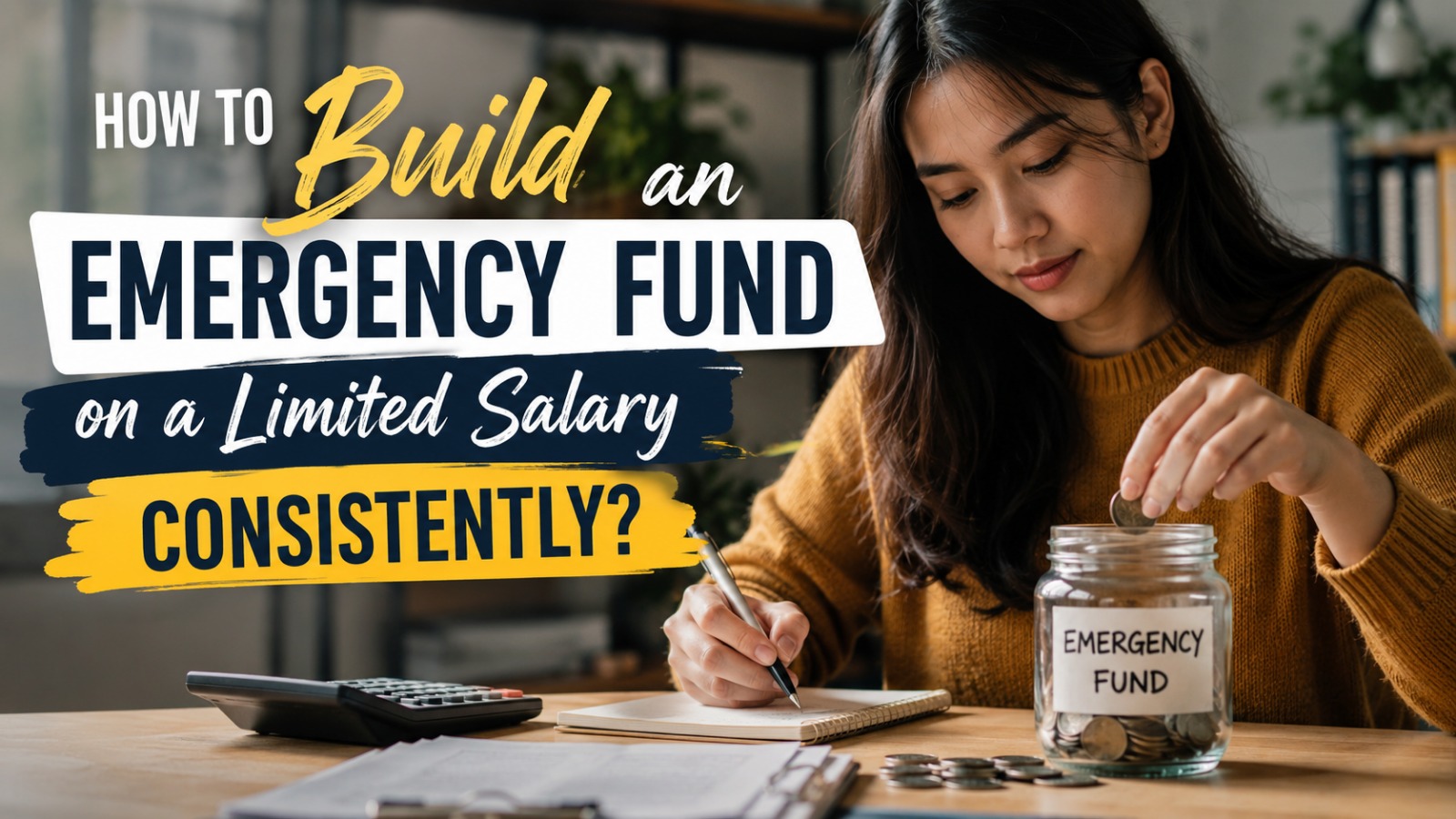
Building an emergency fund is one of the smartest financial decisions anyone can make, especially for people living on a limited salary. Many individuals believe that saving money is only possible when they earn a high income, but this is not true. The real key is consistency, financial discipline, and proper money management. Even small contributions can grow into a reliable financial safety net over time.
An emergency fund helps cover unexpected expenses such as medical bills, car repairs, job loss, or urgent home maintenance without relying on debt. It provides financial security and reduces stress during difficult situations. By following practical saving strategies and maintaining good financial habits, anyone can build a strong emergency fund regardless of their monthly income.
UNDERSTAND THE IMPORTANCE OF AN EMERGENCY FUND
An emergency fund is money set aside specifically for unexpected financial situations. It should only be used when a genuine emergency occurs and not for shopping, vacations, or other non-essential expenses. Having this financial reserve allows you to handle sudden costs without disrupting your long-term financial goals.
For people with a limited salary, an emergency fund is even more important because there is often less room for financial mistakes. Without savings, unexpected expenses may lead to borrowing money or using high-interest credit. Building an emergency fund creates peace of mind and helps you stay financially stable during uncertain times.
SET A REALISTIC SAVING GOAL
Many people fail because they set unrealistic savings targets from the beginning. Instead of trying to save a large amount immediately, start with a goal that matches your current income and expenses. Reaching smaller milestones will keep you motivated and make the saving process feel achievable.
Financial experts generally recommend saving three to six months of living expenses for single individuals and six to twelve months for families. However, if this seems impossible at first, begin with a smaller target such as one month's expenses or a fixed amount. The important thing is to keep moving toward your goal consistently.
CREATE A SIMPLE MONTHLY BUDGET
A well-planned monthly budget is essential for successful saving. Record all sources of income and every expense so you clearly understand where your money goes each month. This simple habit helps identify unnecessary spending that can be reduced or eliminated.
Always prioritize essential needs such as housing, food, transportation, utilities, and healthcare. After covering these necessities, save a portion of your income before spending on entertainment or luxury items. Following the Pay Yourself First strategy makes saving a regular financial habit rather than an afterthought.
SAVE SMALL AMOUNTS CONSISTENTLY
Many people believe they need a large amount of money before they can start saving. In reality, small but regular savings are often more effective than saving large amounts occasionally. Even saving a small percentage of your salary every payday can produce impressive results over time.
Consider setting up automatic transfers to a separate savings account dedicated to your emergency fund. This reduces the temptation to spend the money on unnecessary purchases. Consistency is far more valuable than waiting for the perfect financial situation.
REDUCE UNNECESSARY EXPENSES
Review your monthly spending habits carefully and identify expenses that do not provide significant value. Frequent online shopping, daily coffee purchases, unused subscriptions, or impulse buying can consume a surprising amount of money over time. Reducing these expenses creates additional room in your budget without lowering your quality of life.
Instead of viewing budgeting as a restriction, think of it as a way to prioritize your financial future. Every dollar you save from unnecessary spending can be redirected into your emergency fund. Small financial adjustments made consistently can lead to meaningful long-term results.
FIND ADDITIONAL SOURCES OF INCOME
Increasing your income can significantly speed up the process of building an emergency fund. Consider taking on freelance work, starting a small online business, selling handmade products, tutoring, or offering services based on your skills. Even a modest side income can make a noticeable difference.
Whenever possible, deposit most of your extra earnings directly into your emergency savings. Avoid increasing your lifestyle simply because you earn additional income. Using side income wisely will help you achieve your financial goals much faster.
STAY CONSISTENT AND MONITOR YOUR PROGRESS
Building an emergency fund requires patience and long-term commitment. There may be months when unexpected expenses reduce the amount you can save, but it is important to continue contributing, even if the amount is small. Consistency builds momentum and keeps your financial habits strong.
Track your progress regularly and celebrate each milestone you reach. Watching your savings grow can provide motivation to continue. Remember that an emergency fund is not only about saving money but also about creating financial confidence and protecting your future.
CONCLUSION
Building an emergency fund on a limited salary is entirely possible with the right mindset and consistent financial habits. Setting realistic goals, creating a budget, reducing unnecessary expenses, saving regularly, and increasing your income whenever possible are practical steps toward achieving financial security. Every small contribution matters, and over time those savings will become a dependable financial cushion. By staying disciplined and committed, you can build long-term financial stability and face unexpected challenges with greater confidence.
About the Author
Gusti Ayu Tita P
Author — STEKOM University
An active author focused on academic issues, educational technology, and human resource development in the campus environment.