How to Check Your Payslip for Errors?
Gusti Ayu Tita P
22 Agustus 2026
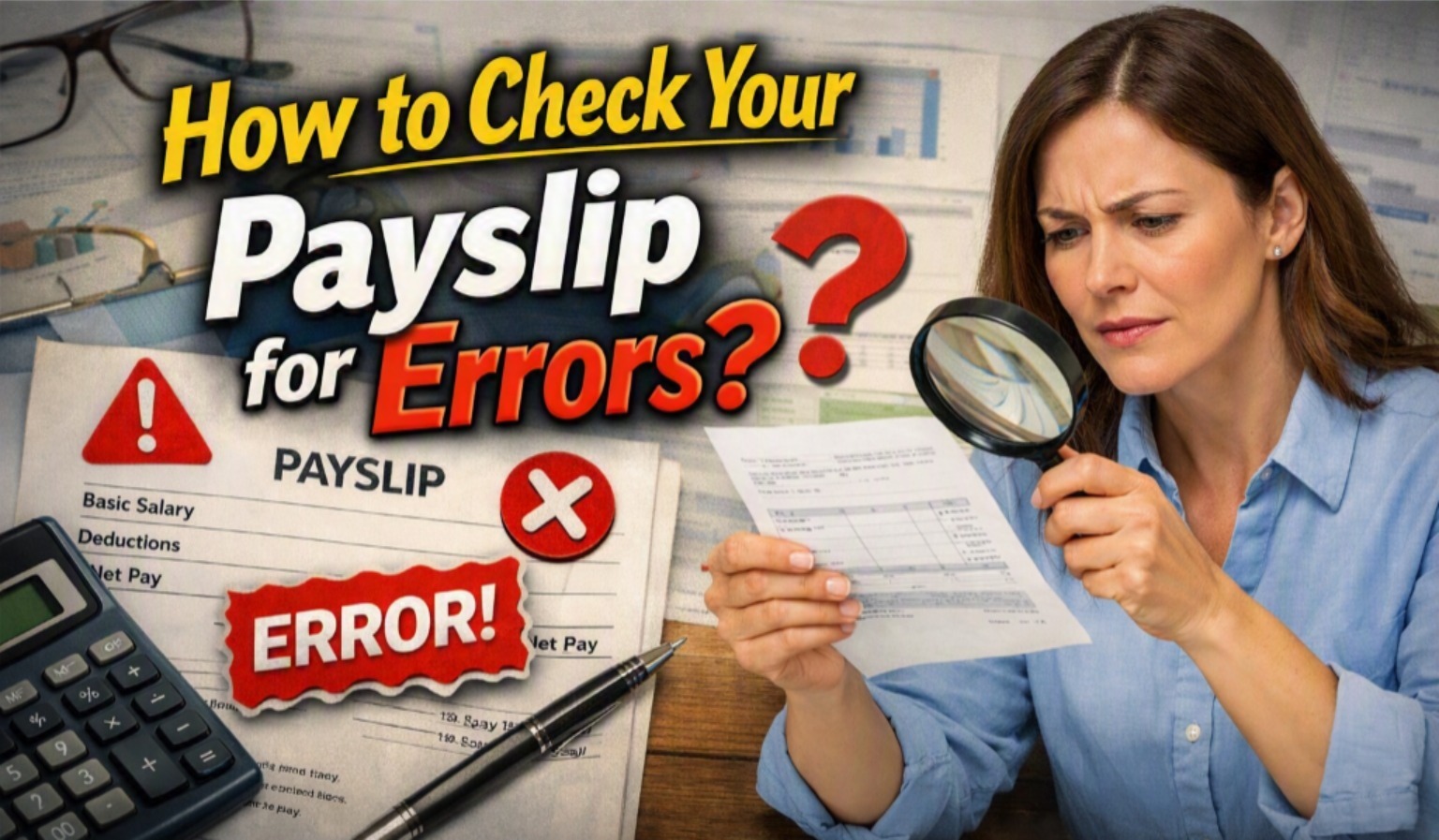
A payslip is an important document that shows how much an employee earns and what deductions are taken from their salary. Checking it carefully each pay period can help you identify payroll errors, missing payments, or incorrect deductions before they become bigger problems. Even a small mistake in working hours, allowances, taxes, or other deductions can affect your net salary. Therefore, employees should make it a habit to review their payslips after receiving their salary.
Understanding how to check a payslip does not require advanced accounting knowledge. You only need to compare the information on the document with your employment agreement, attendance records, and other relevant records. By checking each section carefully, you can make sure that the salary you receive matches what you are entitled to.
UNDERSTAND THE MAIN DETAILS ON YOUR PAYSLIP
Start by checking your personal information, such as your name, employee number, department, and other identification details. Make sure the pay period shown on the payslip matches the period for which you are being paid. You should also check the payment date and confirm that the document belongs to the correct employee. Incorrect personal or employment information can create problems when payroll records are processed or when the payslip is needed for administrative purposes.
Next, review the salary components listed on the document. Depending on the company and employment arrangement, these may include basic salary, overtime pay, allowances, bonuses, commissions, or other payments. Compare each amount with your employment contract and the records you have for the relevant pay period. If a component is missing or appears different from what you expected, it is worth asking the payroll or human resources team for clarification.
CHECK YOUR BASIC SALARY AND ADDITIONAL PAY
The basic salary is one of the most important figures to verify because it commonly forms the foundation of your total earnings. Compare the amount on your payslip with the salary stated in your employment agreement or any official salary adjustment notice. If your salary was recently increased, make sure the updated amount has been reflected correctly. Also check whether the calculation covers the correct number of working days if your employment situation involves partial periods.
You should also review overtime, bonuses, commissions, and allowances carefully. Compare overtime hours with your attendance or timesheet records and confirm that the applicable rate has been calculated correctly. If you received a bonus, incentive, transportation allowance, meal allowance, or another payment, make sure it appears on the payslip when applicable. Missing additional payments can reduce your final earnings even when your basic salary is correct.
REVIEW TAXES AND OTHER DEDUCTIONS
After checking your earnings, examine every deduction shown on the payslip. Common deductions can include income tax, social security or employment-related contributions, insurance contributions, loan repayments, or other authorized deductions, depending on the applicable rules and your employment arrangement. Make sure the deductions are consistent with the information provided by your employer and the relevant regulations. An unexpected deduction should not be ignored simply because the final salary amount looks reasonable.
Pay particular attention to deductions that have changed significantly from the previous pay period. A difference does not always mean there is an error because taxes, benefits, contributions, or other deductions can change under certain circumstances. However, you should ask for an explanation if you cannot understand why a deduction has changed. Keeping previous payslips can make it easier to identify unusual changes and compare payroll calculations over time.
COMPARE GROSS PAY WITH NET PAY
Your gross pay is generally the amount you earn before applicable deductions, while net pay is the amount you actually receive after deductions. Check whether the gross pay shown on the payslip matches the salary components you have reviewed. Then examine whether the listed deductions reasonably explain the difference between gross pay and net pay. This simple comparison can help you spot calculation discrepancies that may otherwise be overlooked.
Do not assume that the amount deposited into your bank account is automatically correct. Compare the net salary on the payslip with the amount actually credited to your account. If the two amounts are different, check whether there is a valid explanation, such as a separate payment, adjustment, or payroll correction. If no explanation is available, contact the appropriate payroll or HR representative promptly.
CHECK YOUR WORKING HOURS AND ATTENDANCE
For employees whose earnings depend on working hours, shifts, attendance, or overtime, checking these records is especially important. Compare the working hours on your payslip or payroll statement with your approved timesheets, attendance records, and overtime submissions. Make sure absences, leave, holidays, and overtime have been recorded correctly. An incorrect attendance record can directly affect salary calculations.
You should also check whether approved paid leave has been handled correctly. If you took authorized leave, the corresponding treatment should generally be consistent with your employment terms and applicable rules. If unpaid leave was recorded when you were actually entitled to paid leave, your salary could be reduced incorrectly. Keep supporting records so you can provide evidence if a discrepancy needs to be investigated.
LOOK FOR COMMON PAYSLIP ERRORS
Several types of payslip errors can occur, including incorrect salary amounts, missing overtime, wrong allowances, duplicated payments, or inaccurate deductions. Errors can also happen when an employee changes position, receives a salary adjustment, joins or leaves a benefit program, or works an unusual schedule. Reviewing your payslip regularly makes these issues easier to detect. The sooner an error is identified, the easier it is usually to investigate and correct.
A useful approach is to compare your current payslip with your previous payslip. Look for unexpected changes in basic salary, allowances, overtime, deductions, and net pay. A change may be legitimate, but it should be understandable and supported by a relevant payroll event. If something does not match your records, do not hesitate to request clarification from the responsible payroll or HR team.
WHAT TO DO IF YOU FIND AN ERROR?
If you find a possible error, gather the relevant evidence before contacting your employer. This may include your employment contract, previous payslips, attendance records, approved overtime, leave records, and official salary adjustment documents. Explain the issue clearly and identify the specific amount or information that appears incorrect. Providing supporting documents can help the payroll team investigate the issue more efficiently.
Contact the payroll or HR department through the company's normal communication channel. Ask them to review the calculation and provide an explanation or correction if an error is confirmed. Keep copies of your communication and any revised payslip or payroll document you receive. If the issue involves legal deductions, unpaid wages, or a serious employment dispute, consider seeking appropriate professional or legal advice based on the laws that apply to your employment.
CONCLUSION
Checking a payslip should become part of your regular financial routine rather than something you only do when your salary seems unusually low. Spending a few minutes reviewing each payslip can help you detect mistakes early and maintain accurate personal financial records. Store your payslips securely, whether they are provided in paper or digital form. They may also be useful when applying for financial services, proving income, or reviewing your employment history.
A consistent checking process makes payroll information easier to understand over time. You can create a simple record of your salary, overtime, allowances, deductions, and net pay for each pay period. This makes unusual changes easier to recognize and gives you useful documentation if a payroll issue occurs. Most importantly, careful payslip checking helps ensure that the income you receive matches the compensation you are entitled to.
About the Author
Gusti Ayu Tita P
Author — STEKOM University
An active author focused on academic issues, educational technology, and human resource development in the campus environment.