
How To Create Interactive Courses With An LMS?
Gusti Ayu Tita P
31 Juli 2026
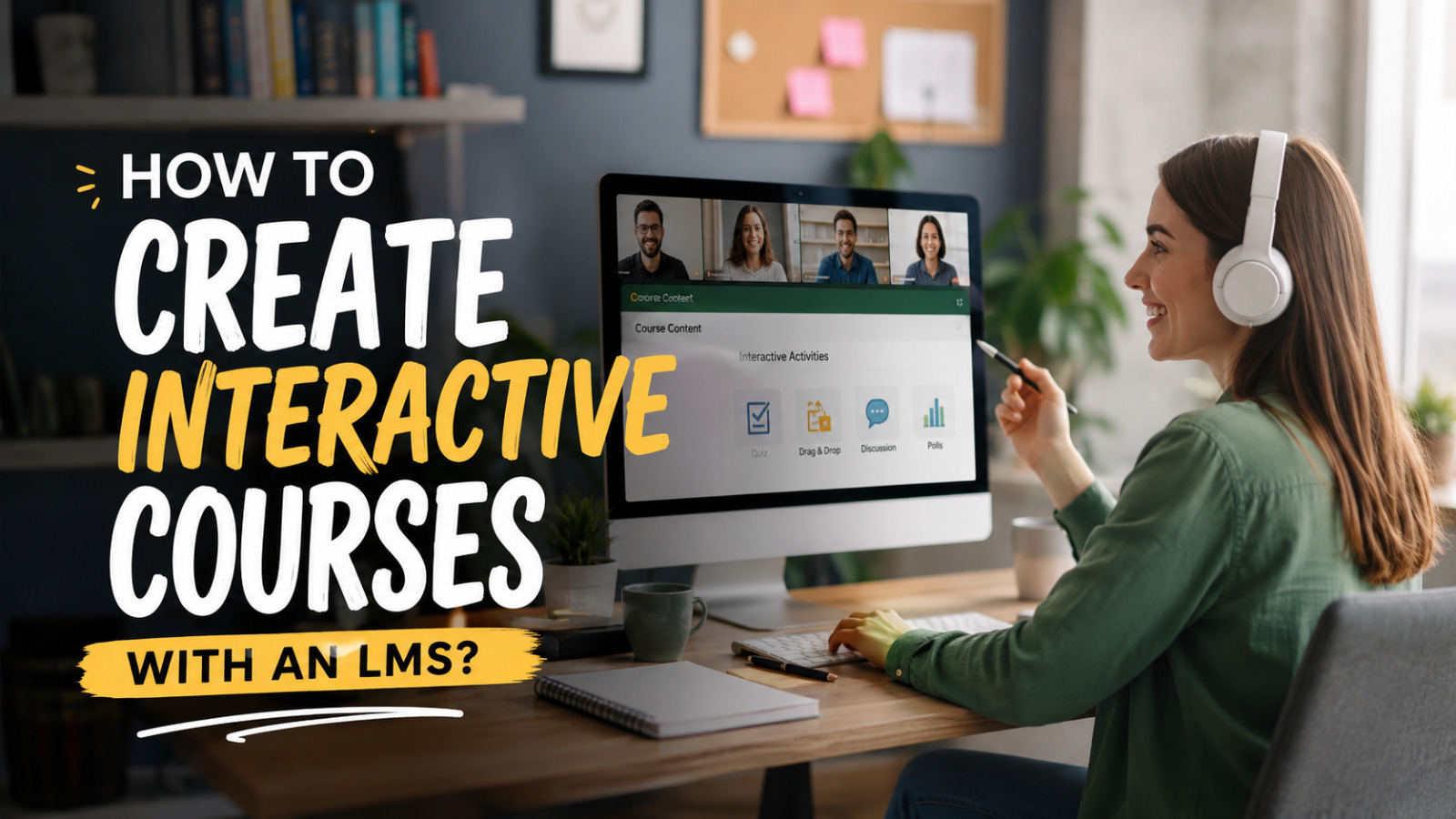
Creating engaging online learning experiences is no longer just about uploading PDFs or videos. A modern Learning Management System (LMS) allows educators, trainers, and businesses to build interactive courses that improve learner participation, knowledge retention, and overall learning outcomes. By combining multimedia, quizzes, discussions, and gamification, an LMS transforms traditional lessons into dynamic learning experiences.
WHY INTERACTIVE COURSES MATTER
Interactive courses encourage learners to become active participants instead of passive readers. Features such as quizzes, drag-and-drop activities, discussion forums, and instant feedback help learners stay focused throughout the lesson. As a result, they are more likely to understand and remember important concepts.
In addition, interactive learning increases motivation, engagement, and course completion rates. Learners enjoy content that allows them to participate, solve problems, and receive immediate responses. Whether the course is for schools, universities, or corporate training, interactivity creates a more meaningful educational experience.
CHOOSE THE RIGHT LMS FEATURES
The first step is selecting an LMS that supports interactive learning tools. Look for features such as video integration, interactive quizzes, discussion boards, assignments, progress tracking, and certificates. These tools provide everything needed to create engaging and organized learning experiences.
A good LMS should also support mobile learning and allow learners to access content anytime and anywhere. Easy navigation, fast loading times, and responsive design improve the overall user experience. The more user-friendly the platform is, the more learners will enjoy completing the course.
CREATE ENGAGING LEARNING CONTENT
Start each lesson with a clear learning objective so students understand what they will achieve. Break complex topics into smaller sections and include images, videos, animations, or infographics to explain difficult concepts more effectively. Visual content helps learners absorb information faster than long blocks of text.
Keep each lesson concise and avoid overwhelming learners with too much information at once. Include real-world examples, case studies, or practical scenarios to make the content more relevant. When learners can connect lessons to everyday situations, they become more interested in completing the course.
ADD INTERACTIVE ACTIVITIES
Interactive activities are the heart of an engaging online course. Include multiple-choice quizzes, drag-and-drop exercises, matching games, polls, and knowledge checks after each lesson. These activities reinforce learning while keeping learners actively involved.
You can also encourage collaboration by using discussion forums, group projects, or peer reviews. Social interaction allows learners to exchange ideas, ask questions, and solve problems together. This creates a stronger learning community and improves understanding through shared experiences.
USE GAMIFICATION TO BOOST ENGAGEMENT
Gamification adds fun elements that motivate learners to continue progressing. Award badges, points, achievement levels, and completion certificates when learners finish lessons or reach important milestones. Small rewards create a sense of accomplishment and encourage continued participation.
Leaderboards and progress bars can also inspire friendly competition. However, gamification should always support learning objectives rather than distract from them. When used correctly, it keeps learners excited while improving knowledge retention and course completion.
MEASURE PERFORMANCE AND IMPROVE YOUR COURSE
One of the biggest advantages of an LMS is its ability to collect learning data. Analyze quiz scores, completion rates, time spent on lessons, and learner feedback to understand which parts of the course perform well. This information helps identify areas that need improvement.
Update your course regularly by replacing outdated information, improving unclear lessons, and adding new interactive features. Continuous improvement ensures your course remains relevant, engaging, and effective for future learners. A well-maintained course delivers better learning experiences and stronger educational results.
CONCLUSION
Creating interactive courses with an LMS is an effective way to improve learner engagement, knowledge retention, and overall training success. By combining multimedia content, interactive activities, gamification, and performance tracking, educators and organizations can deliver learning experiences that are both enjoyable and impactful. Investing time in designing interactive courses will lead to better outcomes for learners and long-term success for any online education program.
About the Author
Gusti Ayu Tita P
Author — STEKOM University
An active author focused on academic issues, educational technology, and human resource development in the campus environment.















