
How To Develop Nationalism Values In The Digital Era?
Gusti Ayu Tita P
4 Agustus 2026
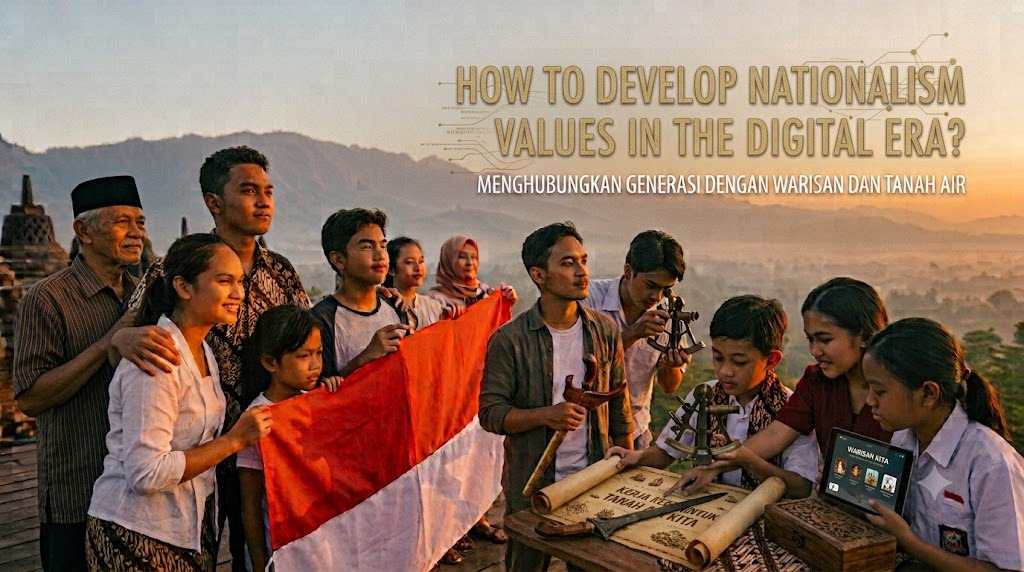
The digital era has changed the way people communicate, learn, work, and interact with society. Information can now reach people within seconds through social media, websites, and digital platforms. This development provides many opportunities for young people to learn about their country and express their national identity. However, the digital environment can also bring challenges such as misinformation, hate speech, cultural influence, and social division.
Developing nationalism values in the digital era does not mean avoiding technology or rejecting foreign cultures. Instead, people should use technology responsibly while maintaining their national identity, cultural awareness, tolerance, and social responsibility. By using digital platforms positively, nationalism can remain relevant and become part of everyday life.
UNDERSTANDING NATIONALISM IN THE DIGITAL ERA
Nationalism is a sense of love, belonging, responsibility, and concern for one's country. In the digital era, nationalism can be expressed through both online and offline activities. People can show their national pride by appreciating local culture, supporting Indonesian products, sharing useful information, and respecting other citizens. These actions demonstrate that nationalism is not limited to ceremonies or national celebrations.
Digital technology provides new opportunities to develop nationalism. People can learn about Indonesian history, culture, national heroes, and local traditions through online resources. Digital platforms can become tools for education, cultural preservation, and social participation. When technology is used wisely, it can help strengthen people's connection with their country.
USING SOCIAL MEDIA RESPONSIBLY
Social media is one of the easiest ways to communicate and share information. People can use social media to promote Indonesian culture, local products, national achievements, and educational content. Sharing positive stories about Indonesia can encourage pride and appreciation for the country's diversity. Young people can also use creative content to introduce local traditions to wider audiences.
However, social media also contains misinformation, hate speech, cyberbullying, and provocative content. Users should develop digital literacy and critical thinking before accepting or sharing information. Checking the credibility of sources and avoiding harmful content are important steps. Responsible social media use can help protect national unity and create a healthier digital environment.
LEARNING INDONESIAN HISTORY AND CULTURE
Understanding history is an important way to develop nationalism. History helps people recognize the struggles, sacrifices, and achievements that shaped Indonesia. Young people can use digital libraries, educational websites, documentaries, and online learning platforms to explore Indonesian history and cultural heritage. Learning from reliable sources can make historical knowledge more accessible and interesting.
Culture should also be preserved in the digital era. Traditional dances, music, languages, crafts, food, and local traditions can be introduced through videos, articles, podcasts, and digital artwork. Digital technology can help protect cultural identity while making it easier for younger generations to appreciate traditional heritage. This approach allows cultural preservation to adapt to modern communication habits.
SUPPORTING INDONESIAN PRODUCTS
Supporting local products is a practical way to develop nationalism in daily life. Indonesia has many small businesses, creative industries, farmers, craftsmen, and entrepreneurs who contribute to the national economy. Buying quality local products can help support these communities and encourage domestic economic growth. Young people can also promote local products through social media and digital marketplaces.
Supporting Indonesian products does not require rejecting products from other countries. People can remain open to global products while giving appropriate appreciation to domestic products. Balanced consumption can combine global awareness with support for the local economy. In this way, economic activities can become part of a broader commitment to national development.
PROMOTING INDONESIAN CULTURE THROUGH DIGITAL CONTENT
Digital content can become a powerful tool for promoting national identity. Young people can create videos, photographs, articles, podcasts, illustrations, and educational posts about Indonesian culture. Content can highlight local traditions, traditional food, regional languages, historical places, and cultural celebrations. Creative digital content can make cultural information easier to understand and share.
Content creators should also present Indonesian culture accurately and respectfully. They should avoid spreading stereotypes or misinformation about cultural traditions. Responsible cultural content can increase appreciation for Indonesia's diversity while introducing it to audiences from different regions and countries. Digital creativity can therefore support both cultural preservation and national pride.
DEVELOPING DIGITAL LITERACY
Digital literacy is essential for developing nationalism in the modern era. People need to understand how to find, evaluate, use, and share digital information responsibly. Without sufficient digital literacy, users can easily believe false information or become involved in online conflicts. Strong digital literacy helps people make informed decisions and communicate responsibly.
Critical thinking is an important part of digital literacy. Before sharing information, users should consider its source, evidence, date, and context. They should also avoid content designed to create unnecessary anger or division. Responsible information sharing helps protect social harmony and national unity.
RESPECTING DIVERSITY IN DIGITAL SPACES
Indonesia is a diverse country with different ethnic groups, religions, languages, cultures, and opinions. Digital platforms bring these differences together in the same online spaces. Therefore, people need to practice tolerance and mutual respect when communicating online. Disagreements should be handled through constructive discussion rather than insults or discrimination.
Respecting diversity online is a form of modern nationalism. People can support national unity by avoiding hate speech and respecting the rights of others. They can also learn from different perspectives without abandoning their own values. A respectful digital environment can strengthen social relationships and reduce unnecessary conflict.
PARTICIPATING IN DIGITAL SOCIAL ACTIVITIES
Technology allows people to participate in social activities without always being physically present. Young people can join online campaigns, volunteer communities, educational projects, fundraising activities, and environmental movements. These activities can encourage social responsibility and cooperation. Digital participation can also connect people from different regions who share similar goals.
Online participation should ideally lead to meaningful actions. For example, a digital campaign about environmental awareness can encourage people to reduce waste in their communities. A cultural campaign can encourage young people to attend local cultural events or learn traditional arts. Combining digital awareness with real-world action makes nationalism more meaningful.
MAINTAINING NATIONAL IDENTITY WHILE EMBRACING GLOBALIZATION
Globalization gives people access to international cultures, ideas, entertainment, and technology. Learning from other countries can broaden knowledge and improve skills. However, people should not lose their national identity and cultural awareness while engaging with global influences. Being open-minded and maintaining national pride can exist at the same time.
Young people can choose positive elements from global culture while continuing to appreciate Indonesian values. They can learn foreign languages, explore international trends, and develop global skills while still using their knowledge to contribute to Indonesia. Global awareness and nationalism do not have to conflict. When balanced properly, both can help young people become confident citizens in an interconnected world.
DEVELOPING NATIONALISM THROUGH EDUCATION
Education is one of the strongest ways to build nationalism values. Schools and other educational institutions can combine digital learning with lessons about Pancasila, Indonesian history, citizenship, culture, and diversity. Students can also be encouraged to discuss current issues and learn how to evaluate information critically. This approach can make nationalism more relevant to their daily digital experiences.
Teachers and families also have an important role in setting examples. Young people are more likely to practice responsible digital behavior when they see positive examples around them. Education should develop knowledge, character, responsibility, and digital skills at the same time. These qualities can prepare young people to become active and responsible citizens.
CONCLUSION
Developing nationalism values in the digital era requires responsible use of technology and a strong awareness of national identity. People can strengthen nationalism by using social media wisely, learning history and culture, supporting Indonesian products, creating positive digital content, developing digital literacy, respecting diversity, and participating in social activities.
The digital era should not be seen only as a challenge to nationalism. It can also become a powerful opportunity to promote Indonesian culture, connect communities, and encourage young people to contribute to the country. By combining digital skills, tolerance, cultural pride, critical thinking, and social responsibility, nationalism can remain strong and relevant in modern Indonesian society.
About the Author
Gusti Ayu Tita P
Author — STEKOM University
An active author focused on academic issues, educational technology, and human resource development in the campus environment.















