
How To Drive Efficiently And Save More Fuel?
Gusti Ayu Tita P
10 Agustus 2026
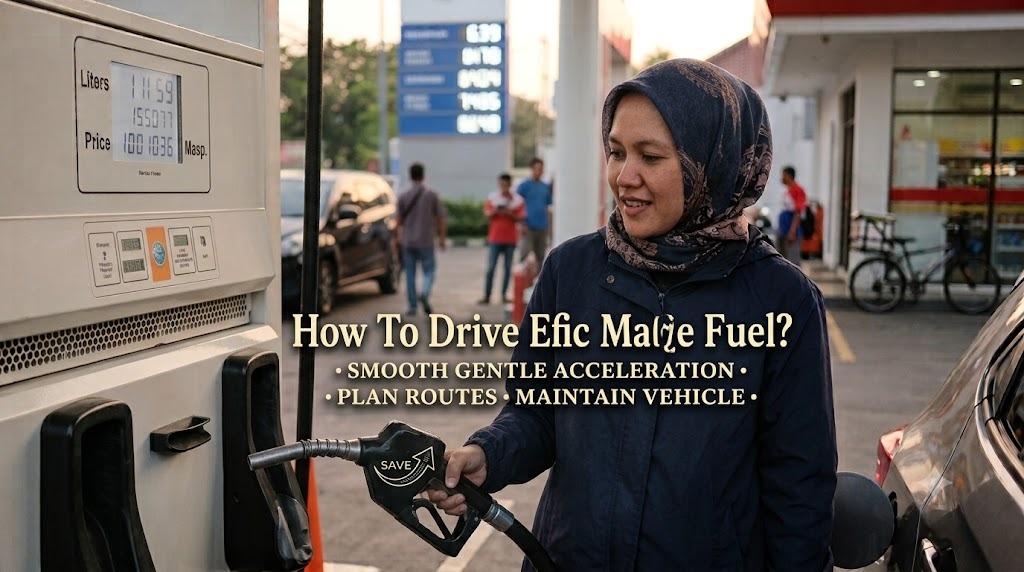
Fuel consumption is an important concern for many vehicle owners because it directly affects daily expenses. The way a person drives has a major influence on how much fuel a vehicle uses. By applying efficient driving techniques, drivers can reduce fuel waste, save money, and maintain better vehicle performance.
Many people think that saving fuel requires expensive technology or vehicle modifications. In reality, simple changes in driving habits can create significant improvements. Understanding how to operate a vehicle efficiently helps drivers achieve better fuel economy while reducing unnecessary fuel consumption.
MAINTAIN A STEADY DRIVING SPEED
Maintaining a consistent speed is one of the most effective ways to improve fuel efficiency. Frequent changes in speed require the engine to use more energy, especially when accelerating repeatedly. Driving smoothly allows the engine to work more efficiently and reduces unnecessary fuel usage.
Using cruise control on suitable roads can help maintain a stable speed. This feature is especially useful during long-distance driving on highways. However, drivers should still pay attention to traffic conditions and avoid using cruise control in heavy traffic areas.
A steady driving speed also improves driving comfort and reduces stress on vehicle components. Avoiding unnecessary acceleration and braking helps maintain better control of the vehicle. This simple habit can contribute to long-term fuel savings.
AVOID SUDDEN ACCELERATION AND HARD BRAKING
Aggressive driving is one of the main causes of excessive fuel consumption. Rapid acceleration requires the engine to burn more fuel to produce additional power. Similarly, frequent hard braking wastes the energy that has already been used to move the vehicle.
Drivers should accelerate gradually and anticipate traffic conditions. Maintaining a safe distance from other vehicles allows more time to slow down smoothly. This approach reduces unnecessary fuel usage and also improves road safety.
Developing smoother driving habits can significantly improve vehicle efficiency. Small changes in how the accelerator and brake pedals are used can make a noticeable difference. Responsible driving benefits both the driver and the vehicle.
REDUCE UNNECESSARY IDLING TIME
Leaving the engine running while the vehicle is not moving wastes fuel. Many drivers allow their vehicles to idle while waiting, parking, or stopping for short periods. Although the vehicle is not traveling, the engine continues consuming fuel.
Reducing unnecessary idling is a simple way to improve fuel efficiency. Drivers should turn off the engine when waiting for an extended period, especially in safe situations. Modern vehicles are designed to restart efficiently, making this habit more practical.
Avoiding excessive idling also helps reduce unnecessary emissions. Less fuel consumption means fewer pollutants released into the environment. This small action can support both financial savings and environmental protection.
MAINTAIN PROPER TIRE PRESSURE
Tire condition has a strong relationship with fuel consumption. Tires with incorrect pressure create higher rolling resistance, forcing the engine to work harder. As a result, the vehicle requires more fuel to move.
Checking tire pressure regularly is a simple maintenance step that can improve efficiency. Drivers should follow the recommended tire pressure provided by the vehicle manufacturer. Properly inflated tires also improve handling, safety, and tire lifespan.
In addition to pressure, tire alignment and condition should also be checked. Damaged or poorly aligned tires can reduce vehicle performance. Maintaining good tire conditions helps ensure smoother and more economical driving.
REMOVE UNNECESSARY VEHICLE LOAD
The weight carried by a vehicle affects how much energy is needed for movement. Carrying heavy items that are not needed increases the workload of the engine. This is especially noticeable during acceleration and uphill driving.
Removing unnecessary items from the vehicle can help reduce fuel consumption. Drivers should regularly check their trunk and remove objects that are rarely used. A lighter vehicle generally requires less energy to operate.
External accessories such as unused roof racks can also increase air resistance. Removing these items when they are not needed may improve vehicle efficiency. Reducing unnecessary load is a practical method to support better fuel economy.
PLAN ROUTES BEFORE DRIVING
Planning routes can help drivers avoid unnecessary fuel consumption. Choosing efficient routes with less traffic and fewer stops reduces the amount of time the engine needs to operate. Navigation applications can help identify better routes and reduce travel delays.
Combining multiple tasks into one trip is another useful strategy. Instead of making several separate journeys, drivers can complete multiple activities in a single route. This reduces total distance traveled and saves fuel.
Good route planning also saves time and reduces vehicle wear. Drivers who prepare their trips can avoid unnecessary driving and improve transportation efficiency. Smart planning is an important part of efficient driving habits.
PERFORM REGULAR VEHICLE MAINTENANCE
A well-maintained vehicle usually operates more efficiently than a neglected one. Regular maintenance ensures that important components work properly and prevents unnecessary fuel consumption. Engine problems, dirty filters, or worn components can reduce vehicle efficiency.
Important maintenance tasks include changing engine oil, checking air filters, inspecting spark plugs, and maintaining the fuel system. These actions help the engine perform smoothly and use fuel effectively. Following the recommended service schedule is essential for long-term vehicle health.
Regular inspections can also detect problems before they become more expensive. Maintaining the vehicle properly supports better performance and reliability. Proper care is a simple investment that can lead to significant fuel cost reduction.
USE THE AIR CONDITIONER WISELY
The air conditioner can affect fuel consumption because it requires energy from the engine. Using the air conditioner at maximum power for long periods may increase fuel usage. Drivers should use it wisely, especially during situations where fuel saving is a priority.
Parking in shaded areas and improving cabin ventilation before turning on the air conditioner can reduce the workload of the cooling system. Adjusting the temperature to a comfortable level instead of the lowest setting may also help save fuel.
However, safety and comfort should always be considered. In hot weather, using air conditioning may be necessary for a comfortable driving experience. The goal is to use it efficiently rather than avoid it completely.
CHOOSE THE RIGHT FUEL FOR YOUR VEHICLE
Using the correct fuel according to the manufacturer's recommendation helps the engine operate efficiently. Different engines are designed for different fuel specifications, and unsuitable fuel may affect performance. Choosing the right fuel supports smoother operation and better fuel usage.
Drivers should consider fuel quality, not only price. Poor-quality fuel may affect combustion and engine cleanliness over time. Reliable fuel sources and proper fuel selection help protect important vehicle components.
Combining the right fuel with efficient driving habits creates better results. Fuel choice, vehicle maintenance, and driving behavior all work together to improve overall efficiency.
CONCLUSION
Driving efficiently is one of the easiest ways to reduce fuel consumption and save money. Simple habits such as maintaining a steady speed, avoiding sudden acceleration, checking tire pressure, reducing unnecessary loads, and planning routes can create significant improvements.
In addition, regular maintenance and using the correct fuel help maintain vehicle performance. By applying fuel saving strategies consistently, drivers can reduce expenses, extend vehicle lifespan, and contribute to a more environmentally friendly transportation system.
About the Author
Gusti Ayu Tita P
Author — STEKOM University
An active author focused on academic issues, educational technology, and human resource development in the campus environment.















