
How to Find Inner Peace Through Spiritual Connection?
Gusti Ayu Tita P
9 September 2026
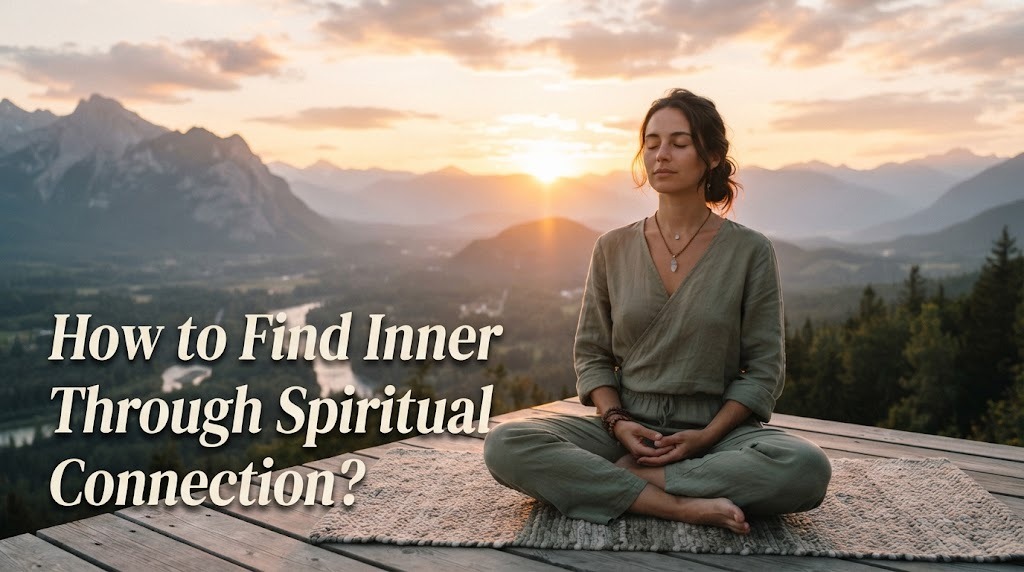
Inner peace is an important part of living a balanced and meaningful life. In the middle of busy schedules, personal challenges, and constant digital distractions, many people find it difficult to feel calm. Building a spiritual connection can help create space for reflection, gratitude, and emotional balance.
Spiritual connection does not always have to involve a specific religious practice. It can also come from meditation, prayer, self-reflection, spending time in nature, or understanding personal values. By developing a healthy spiritual connection, people can learn to manage their thoughts, accept life experiences, and find greater peace within themselves.
UNDERSTANDING INNER PEACE
Inner peace refers to a sense of calm and emotional balance even when life is not always easy. It does not mean that a person never experiences stress, sadness, or disappointment. Instead, inner peace helps someone respond to difficult situations with greater awareness and patience. This state can make it easier to understand emotions without allowing them to completely control daily decisions.
Finding inner peace is a gradual process rather than an instant achievement. Everyone may have different ways of creating a calmer mind depending on their beliefs, experiences, and lifestyle. Spiritual connection can become one of the tools that supports this process by encouraging deeper reflection and self-awareness.
BUILDING A SPIRITUAL CONNECTION
A spiritual connection begins with creating time to understand yourself and your relationship with something greater than yourself. For some people, this may involve prayer, while others may prefer meditation, quiet reflection, reading meaningful texts, or spending time in nature. The goal is to create moments where the mind can slow down and focus on what truly matters.
Consistency is more important than the length of each spiritual practice. Spending a few quiet minutes every day can be more helpful than practicing only occasionally for a long period. Over time, these moments can create a stronger sense of awareness and help people feel more connected to their values and purpose.
PRACTICING MINDFULNESS AND REFLECTION
Mindfulness encourages people to pay attention to the present moment without immediately judging their thoughts or feelings. This practice can help reduce unnecessary overthinking and make it easier to recognize emotional patterns. Simple activities such as mindful breathing, quiet meditation, or walking without distractions can support greater mental awareness.
Reflection can also help people understand what causes stress and what brings them a sense of fulfillment. Taking time to ask meaningful questions about personal goals, relationships, and priorities can provide valuable insights. With regular reflection, people may become more comfortable accepting themselves and their current life circumstances.
DEVELOPING GRATITUDE
Gratitude is a simple spiritual practice that can influence how people view their daily lives. Instead of focusing only on problems, gratitude encourages attention toward positive experiences, supportive relationships, and small moments of happiness. This change in perspective can help create a calmer and more positive mindset.
A gratitude habit does not require complicated activities. People can write down a few things they appreciate each day or quietly recognize positive moments before going to sleep. When practiced consistently, gratitude can help reduce excessive focus on what is missing and encourage greater appreciation for what is already present.
ACCEPTING LIFE EXPERIENCES
Inner peace becomes easier to develop when people learn to accept that life includes both positive and difficult experiences. Trying to control everything can create additional stress and disappointment. Spiritual connection can encourage people to accept uncertainty while continuing to make responsible choices.
Acceptance does not mean giving up or ignoring problems. It means recognizing reality and deciding how to respond to it in a healthier way. This approach can help people learn from challenges without allowing difficult experiences to permanently define their emotional state.
FINDING MEANING IN EVERYDAY LIFE
Spiritual connection can help people discover meaning in ordinary activities and relationships. Meaning does not always come from major achievements or life-changing events. Helping others, caring for family, learning something new, working honestly, and contributing to a community can all provide a sense of purpose.
When daily actions are connected to personal values, life can feel more meaningful. A person who understands why something matters may be better able to handle challenges and remain motivated. This sense of purpose can become an important foundation for inner peace.
CREATING A PEACEFUL DAILY ROUTINE
A peaceful routine can make spiritual connection easier to maintain. People can set aside specific times for prayer, meditation, reading, journaling, or quiet reflection. Reducing unnecessary digital distractions during these moments can also help create a more focused environment.
A healthy routine should be realistic and flexible. It does not need to take a large amount of time or completely change someone's lifestyle. Small habits practiced consistently can gradually create a stronger sense of calm and emotional stability.
STRENGTHENING CONNECTION WITH OTHERS
Spiritual connection is not only about spending time alone. Healthy relationships can also contribute to inner peace by providing emotional support, understanding, and a sense of belonging. Talking honestly with trusted people can help individuals process difficult emotions and gain new perspectives.
Acts of kindness and compassion can also strengthen a person's sense of connection. Helping someone, listening without judgment, or offering support can create a feeling of purpose and shared humanity. These experiences remind people that personal well-being is often connected to the well-being of others.
CONCLUSION
Finding inner peace through spiritual connection is a personal and gradual journey. Practices such as mindfulness, prayer, reflection, gratitude, acceptance, and meaningful relationships can help create greater emotional balance. The most important step is finding practices that are comfortable, meaningful, and sustainable.
Inner peace does not require a life without problems. Instead, it involves developing a calmer and more aware way of facing whatever life brings. With consistent spiritual practices and a stronger understanding of personal values, people can gradually build a deeper sense of peace and purpose.
About the Author
Gusti Ayu Tita P
Author — STEKOM University
An active author focused on academic issues, educational technology, and human resource development in the campus environment.















