
How To Maintain A Healthy Balance Between Work And Personal Life?
Gusti Ayu Tita P
24 Agustus 2026
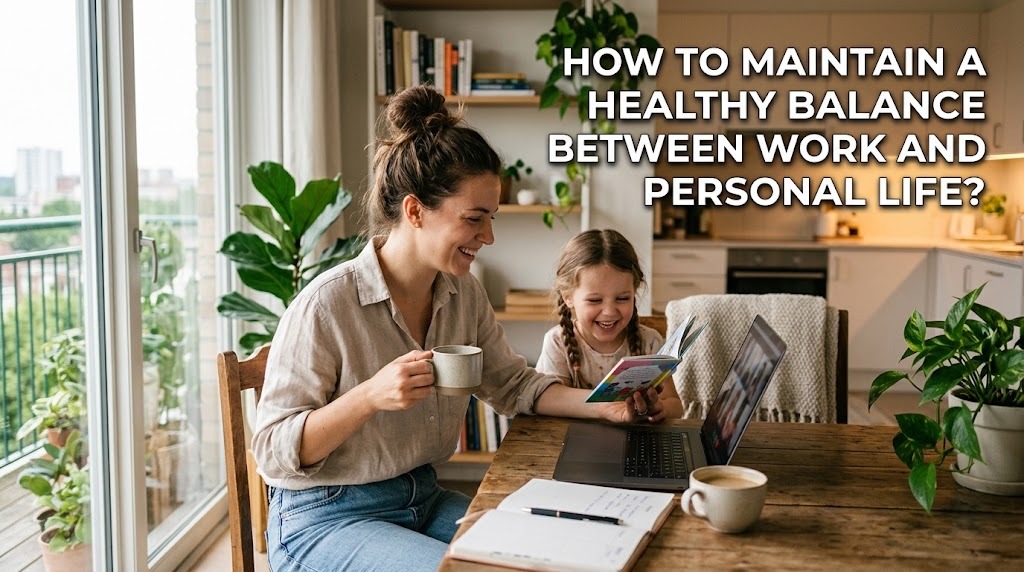
Maintaining a healthy balance between work and personal life is important for people who want to remain productive without sacrificing their personal well-being. Work can provide income, professional growth, and a sense of achievement, while personal life provides time for family, relationships, hobbies, and rest. When these areas are not managed properly, people may experience stress, exhaustion, reduced productivity, and difficulty enjoying their free time. A healthy balance does not mean dividing time equally between work and personal activities. Instead, it means managing priorities in a way that allows both responsibilities and personal needs to receive appropriate attention.
UNDERSTANDING WORK LIFE BALANCE
Work life balance refers to the ability to manage professional responsibilities while still making enough time for personal needs and activities. It does not require people to stop working hard or avoid professional challenges. Instead, it encourages individuals to recognize their limits and organize their responsibilities realistically. A good balance can help people maintain energy, concentration, and motivation. It can also make it easier to enjoy meaningful activities outside the workplace.
Everyone may have a different definition of balance depending on their job, family situation, goals, and daily responsibilities. What works for one person may not work for another. Therefore, people should identify what makes them feel productive without constantly feeling overwhelmed. Personal priorities and realistic expectations are important foundations for creating a sustainable routine.
SET CLEAR WORKING HOURS
Setting clear working hours is one of the simplest ways to separate professional responsibilities from personal time. Employees should understand when they need to start and finish their regular work whenever their job allows such flexibility. Continuing to check work messages throughout the evening can make it difficult to mentally disconnect from work. Establishing reasonable boundaries can help create a clearer transition between professional and personal activities. Healthy work boundaries are especially useful for people who work remotely.
When urgent tasks arise, flexibility may sometimes be necessary. However, constantly extending working hours can eventually reduce energy and concentration. Employees should distinguish between genuinely urgent tasks and activities that can wait until the next working period. This approach helps prevent work from occupying unnecessary personal time.
PRIORITIZE IMPORTANT TASKS
Trying to complete everything at the same time can create unnecessary pressure. A better approach is to identify tasks based on their importance and urgency. High-priority responsibilities should receive attention first, while less important activities can be scheduled for later. Creating a daily or weekly task list can help employees understand what needs to be completed. Prioritization also reduces the tendency to spend too much time on minor tasks.
People should also recognize that productivity is not simply about doing more work. Completing important tasks efficiently can be more valuable than spending long hours on activities with limited impact. Effective time management allows people to use their working hours more productively. As a result, they may have more time available for personal activities after completing essential responsibilities.
LEARN TO SAY NO WHEN NECESSARY
Taking on too many responsibilities can make work life balance difficult to maintain. Employees sometimes accept additional tasks because they want to help colleagues or demonstrate commitment. However, accepting every request without considering existing responsibilities can lead to excessive workloads. Learning to say no politely can help protect time and energy. Setting reasonable limits is not a sign of laziness or lack of commitment.
When refusing a task is not possible, employees can discuss priorities and deadlines with their managers. This creates an opportunity to determine which responsibilities should be handled first. Clear communication is often better than silently accepting an unrealistic workload. Understanding personal capacity can help people remain productive without constantly feeling overwhelmed.
TAKE REGULAR BREAKS
Regular breaks are important for maintaining concentration during the working day. Continuously working without rest can make people feel tired and may reduce the quality of their decisions. Short breaks can provide an opportunity to step away from a task and return with renewed attention. Employees can use breaks to stretch, walk, drink water, or simply rest their minds. Regular recovery time supports sustainable productivity.
Longer breaks outside working hours are equally important. Weekends, holidays, or personal days can provide opportunities to recover from demanding work periods. Rest should not always be viewed as wasted time because recovery can support better performance later. A balanced routine includes both productive periods and sufficient opportunities to recharge.
MAKE TIME FOR FAMILY AND RELATIONSHIPS
Professional responsibilities should not completely replace personal relationships. Spending quality time with family, friends, or loved ones can provide emotional support and create a sense of connection. People can schedule specific periods for social activities instead of waiting until they have free time unexpectedly. Quality time is often more meaningful than simply being physically present while remaining distracted by work.
Maintaining relationships can also provide a healthy mental break from professional responsibilities. Conversations, shared activities, and social experiences can help people shift their attention away from workplace concerns. Strong personal relationships can become an important source of motivation and support. Therefore, personal connections should be treated as a meaningful part of a balanced lifestyle.
MAKE TIME FOR HOBBIES AND PERSONAL INTERESTS
Hobbies can provide an opportunity to enjoy activities that are not directly connected to professional responsibilities. Reading, exercising, cooking, creating art, traveling, or learning new skills can make personal time more fulfilling. People do not need to spend many hours on hobbies to benefit from them. Even a short period dedicated to an enjoyable activity can provide a useful mental break. Personal interests can help people maintain a sense of identity beyond their professional roles.
Hobbies can also encourage creativity and reduce monotony. Some activities may even develop skills that become useful in professional settings. The important point is that hobbies should be enjoyable rather than becoming another source of pressure. Personal activities should create space for relaxation and genuine enjoyment.
USE TECHNOLOGY MORE INTENTIONALLY
Technology makes it easier to work from almost anywhere, but constant connectivity can make work boundaries difficult to maintain. Notifications, emails, and workplace messages can interrupt personal time. Employees should consider turning off unnecessary notifications outside working hours when their job allows it. Creating periods without work-related technology can support digital boundaries.
Technology can also be used to improve organization. Calendar applications, task-management tools, and reminders can help people plan their schedules more efficiently. The goal is not to avoid technology but to use it intentionally. When technology supports organization instead of constant interruption, it can contribute to a healthier work life balance.
PROTECT SLEEP AND PHYSICAL HEALTH
A healthy work life balance should include adequate attention to physical health. Sleep provides essential recovery and can influence concentration, mood, and daily performance. People who regularly sacrifice sleep for work may find it harder to maintain productivity over time. Consistent sleep habits can help the body and mind recover from daily demands.
Physical activity and nutritious meals are also important parts of a balanced routine. Exercise does not have to involve an intense workout because walking or other moderate activities can also be beneficial. Maintaining healthy habits can support energy levels and make daily responsibilities easier to manage. Personal health should therefore be treated as a priority rather than something that can always be postponed.
REVIEW AND ADJUST YOUR ROUTINE
Work life balance is not a fixed condition that can be achieved once and maintained forever. Responsibilities can change because of new projects, career development, family needs, or other circumstances. People should regularly review whether their current routine is still realistic. If certain habits consistently create excessive pressure, they may need to be adjusted. Regular self evaluation can help people identify problems before they become more difficult to manage.
Small changes can sometimes make a significant difference. Adjusting working hours, reorganizing priorities, reducing unnecessary commitments, or protecting personal time can improve daily routines. If workplace demands are consistently unreasonable, discussing workload concerns with a manager or appropriate workplace support can also be helpful. A sustainable balance requires flexibility and continuous adjustment.
CONCLUSION
Maintaining a healthy balance between work and personal life requires clear boundaries, effective priorities, regular rest, and realistic expectations. People should organize their professional responsibilities while protecting time for family, relationships, hobbies, health, and recovery. Setting working hours, managing technology, taking breaks, and learning to say no can make daily routines more sustainable. There is no single formula that works for everyone, so individuals should find an approach that matches their circumstances. Ultimately, a healthy work life balance can support productivity, personal satisfaction, and long term well-being.
About the Author
Gusti Ayu Tita P
Author — STEKOM University
An active author focused on academic issues, educational technology, and human resource development in the campus environment.















