
How to Manage Orders and Payments in a Personal Shopper Business?
Gusti Ayu Tita P
10 September 2026
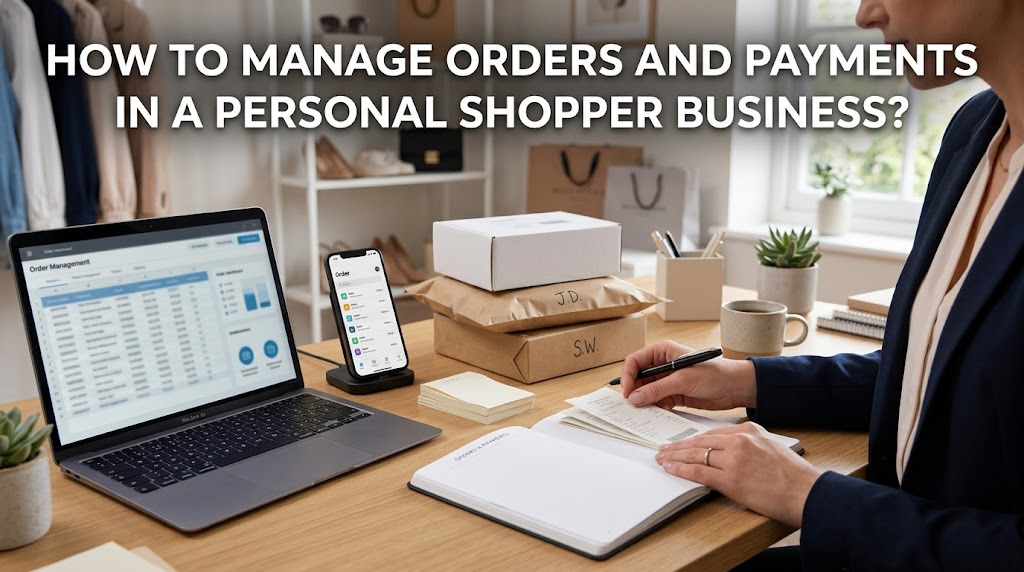
Managing orders properly is essential for maintaining a reliable personal shopper business. Every customer order should be recorded immediately after it is received to prevent missing information or duplicate purchases. Important details can include the customer's name, product name, quantity, size, color, price, service fee, and delivery address. A simple spreadsheet, note-taking application, or digital order form can make this process easier.
The order system should also show the status of each transaction. For example, an order can be marked as waiting for payment, payment confirmed, product purchased, packaged, or shipped. This makes it easier for the shopper to identify which orders still need attention. An organized system becomes increasingly important when the number of customers starts to grow.
CONFIRMING PRODUCT DETAILS BEFORE PURCHASE
Before purchasing an item, the shopper should confirm all product details with the customer. This includes the product variation, quantity, price, and availability. If a product has different sizes, colors, or models, the shopper should make sure the customer's selection is recorded correctly. This simple confirmation step can prevent costly mistakes.
Product prices and availability should also be checked as close as possible to the purchasing time. If the price changes or the product becomes unavailable, the shopper should inform the customer before proceeding. Clear communication gives customers an opportunity to approve the new price or choose another product. It also reduces the risk of disputes after the purchase.
SETTING CLEAR PAYMENT RULES
A personal shopper payment system should have clear rules that customers can understand. Depending on the business model, the shopper may require a full payment or an advance payment before purchasing the product. This can help reduce the risk of using personal funds for customer orders. The payment policy should be explained before an order is confirmed.
The shopper should clearly separate the product price, service fee, packaging cost, and shipping fee when calculating the total payment. Customers should know whether each cost is included in the initial payment or paid separately later. Clear information can make transactions more transparent. It also helps the shopper avoid confusion when calculating the final profit.
RECORDING PAYMENTS AND BUSINESS EXPENSES
Keeping accurate financial records is important for every personal shopper business. Each payment received should be recorded together with the related order. The shopper should also record expenses such as transportation, packaging, parking, and other operational costs. These records help determine whether the business is actually generating a profit.
Digital spreadsheets can be used to track income, expenses, and outstanding payments. Receipts or payment confirmations should also be kept until the order has been completed. Regularly checking these records can reveal unpaid orders or unexpected expenses. Good financial documentation also makes it easier to prepare a simple business report.
HANDLING CANCELLATIONS AND REFUNDS
A clear cancellation and refund policy can prevent many payment-related problems. Customers should know whether an order can be canceled after the shopper has purchased the product. Some products may not be returnable, while other situations may allow a refund depending on the seller's policy. These conditions should be communicated before the customer makes payment.
If a refund is necessary, the shopper should explain the reason and expected process clearly. For example, a refund may be considered when a product is unavailable before purchase or when an agreed transaction cannot be completed. The shopper should keep evidence of the transaction and refund. Fair and transparent handling of refunds can protect both the business and customer relationship.
PROVIDING ORDER AND DELIVERY UPDATES
Customers appreciate receiving updates about their orders, especially when they have already made a payment. The shopper can provide information when the product has been purchased, checked, packaged, and shipped. Once the package is sent, the tracking number should be shared whenever available. Regular updates can make customers feel more secure about their transactions.
Communication should remain professional even when there is a delay or unexpected problem. Instead of waiting for the customer to ask, the shopper should provide an update when an important change occurs. Fast and honest communication can prevent unnecessary worry. It also demonstrates that the shopper takes responsibility for the customer's order.
USING DIGITAL TOOLS FOR BETTER MANAGEMENT
Technology can make order and payment management faster and more accurate. Online forms can collect customer information, while spreadsheets can organize orders and calculate totals. Messaging applications can be used for confirmations and updates, while digital payment services can simplify transactions. Using several simple tools together can create an efficient workflow.
However, digital records should be handled responsibly. Customer information such as names, addresses, phone numbers, and payment details should not be shared unnecessarily. The shopper should also use secure accounts and avoid sending sensitive transaction information to unrelated people. Good digital organization and responsible data handling can improve both efficiency and customer confidence.
CONCLUSION
Effective order and payment management is an important part of running a professional personal shopper business. Shoppers should record every order, confirm product details, establish clear payment rules, and track income and expenses carefully. A transparent cancellation policy, refund process, and delivery update system can further improve customer satisfaction. By using simple digital tools and maintaining accurate records, personal shoppers can reduce mistakes, manage transactions efficiently, and build a more reliable and profitable business.
About the Author
Gusti Ayu Tita P
Author — STEKOM University
An active author focused on academic issues, educational technology, and human resource development in the campus environment.