
How to Overcome Toxic Positivity Without Losing Optimism?
Gusti Ayu Tita P
29 Juli 2026
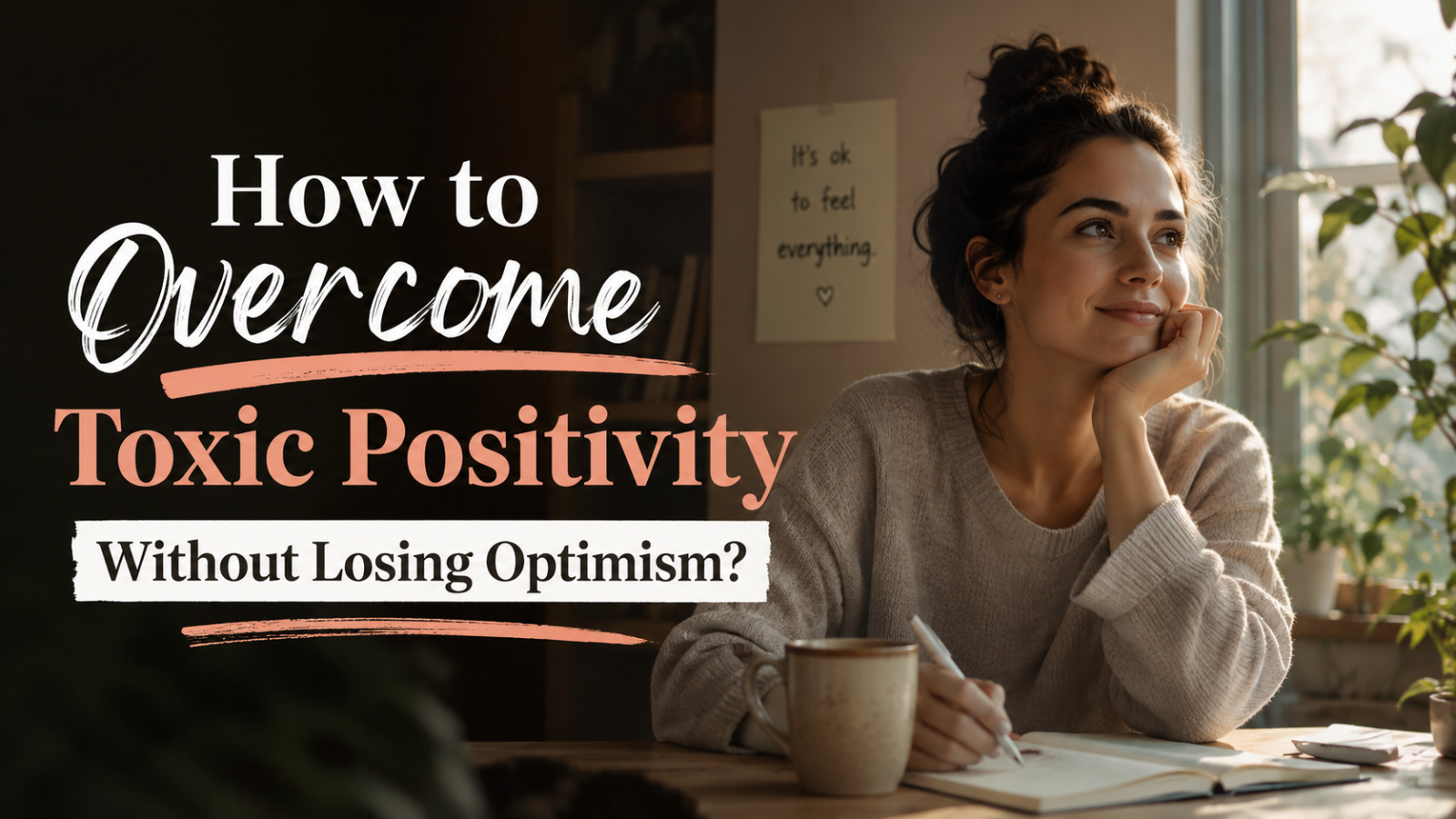
Everyone wants to stay positive, especially during difficult times. However, forcing yourself to be happy all the time can become harmful. This behavior is known as toxic positivity, a mindset that ignores or suppresses genuine emotions in favor of constant optimism. While having hope is valuable, accepting both positive and negative emotions is essential for emotional well-being.
The good news is that you do not have to choose between being realistic and staying optimistic. You can acknowledge pain, disappointment, or stress while still believing that better days are ahead. This balanced approach helps build emotional resilience, improves mental health, and strengthens relationships. In this article, you will learn practical ways to overcome toxic positivity without losing your sense of optimism.
UNDERSTAND WHAT TOXIC POSITIVITY REALLY MEANS
Toxic positivity is the belief that people should maintain a positive attitude regardless of how difficult a situation becomes. It often appears through phrases like "Just stay positive" or "Everything happens for a reason," even when someone is experiencing real pain. Although these statements may be well-intentioned, they can unintentionally make people feel that their emotions are invalid.
Recognizing the difference between healthy optimism and toxic positivity is the first step toward emotional balance. Healthy optimism allows room for sadness, frustration, and fear while maintaining hope for the future. Accepting emotions instead of denying them helps you process challenges in a healthier and more productive way.
ACCEPT YOUR EMOTIONS WITHOUT JUDGMENT
Every emotion serves a purpose. Sadness, anger, fear, and disappointment are natural responses to life's challenges. Instead of labeling these emotions as bad, allow yourself to experience them without guilt or shame.
When you acknowledge your feelings, you become better equipped to understand what caused them and how to respond. Journaling, deep breathing, or talking with someone you trust can help you process difficult emotions. Emotional acceptance is not weakness—it is an important part of emotional strength.
PRACTICE REALISTIC OPTIMISM
Being optimistic does not mean pretending that everything is perfect. Realistic optimism means recognizing problems while believing they can be managed or improved over time. This mindset encourages action instead of denial.
For example, if you lose a job, it is healthy to admit that the situation is stressful. At the same time, you can focus on updating your resume, learning new skills, and searching for new opportunities. This balance between acceptance and hope leads to healthier decision-making.
SET HEALTHY EMOTIONAL BOUNDARIES
Not every conversation needs a positive ending. Sometimes people simply want to be heard. Instead of rushing to offer advice or encouraging someone to "look on the bright side," practice active listening and show empathy.
It is equally important to protect yourself from environments where your emotions are constantly dismissed. Surround yourself with people who encourage honest communication and respect your feelings. Healthy relationships create a safe space where both joy and struggle can be shared openly.
BUILD DAILY HABITS THAT SUPPORT MENTAL WELL-BEING
Simple daily habits can help you stay optimistic without ignoring reality. Regular exercise, quality sleep, balanced nutrition, mindfulness, and spending time with supportive people all contribute to emotional health. These habits improve your ability to manage stress naturally.
Practicing gratitude can also be beneficial when done realistically. Instead of forcing yourself to find something positive in every painful situation, appreciate the good things that genuinely exist in your life. Gratitude works best when it complements emotional honesty rather than replacing it.
KNOW WHEN TO SEEK PROFESSIONAL HELP
If difficult emotions become overwhelming or persist for a long time, seeking professional support is a wise decision. Mental health professionals can provide practical strategies to help you understand and manage your emotions more effectively.
There is no shame in asking for help. In fact, recognizing when you need support demonstrates self-awareness and personal strength. Therapy or counseling can help you develop healthier coping skills while maintaining genuine optimism.
CONCLUSION
Overcoming toxic positivity does not mean giving up optimism. Instead, it means learning to embrace the full range of human emotions while maintaining hope for the future. By accepting your feelings, practicing realistic optimism, setting healthy boundaries, and building supportive habits, you can develop lasting emotional resilience. Remember that true positivity comes from honesty, self-compassion, and balanced thinking, not from pretending that everything is always okay.
About the Author
Gusti Ayu Tita P
Author — STEKOM University
An active author focused on academic issues, educational technology, and human resource development in the campus environment.















