
How to Pack Souvenirs Safely During Your Trip?
Gusti Ayu Tita P
4 September 2026
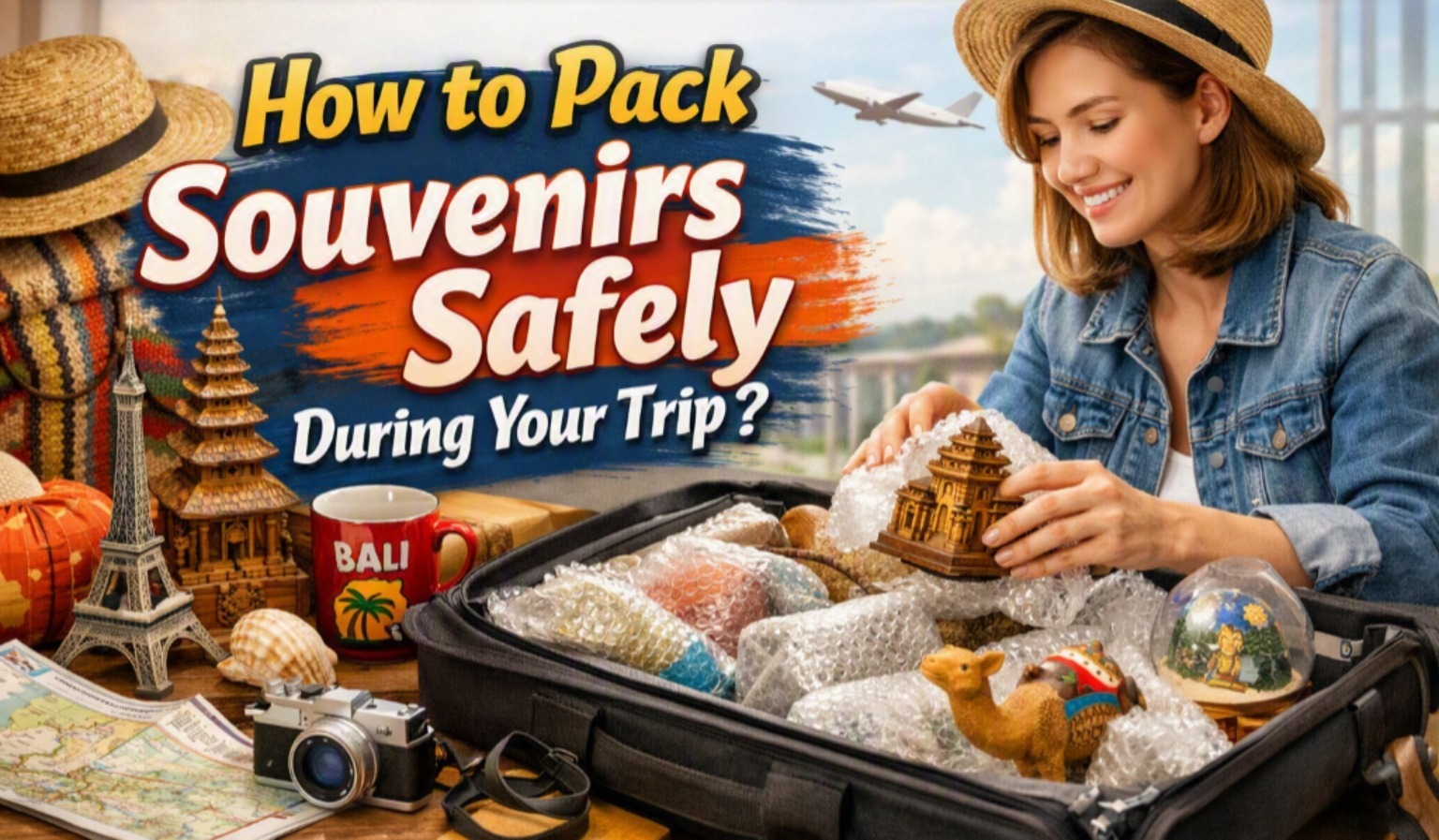
Bringing souvenirs home is a great way to preserve travel memories and share a part of a destination with family and friends. However, fragile items, food products, clothing, and handmade crafts can easily become damaged during transportation. Packing souvenirs safely requires more than simply placing everything inside a suitcase. The right wrapping materials, placement, and luggage arrangement can make a major difference. With a few practical techniques, travelers can protect their purchases while keeping their luggage organized and manageable.
CHOOSE THE RIGHT PACKING MATERIALS
The first step in safe souvenir packing is preparing suitable protective materials. Use bubble wrap, tissue paper, soft clothing, zip bags, or small boxes to protect items according to their shape and material. Fragile souvenirs such as ceramics, glassware, and decorative objects need stronger cushioning than clothing or packaged snacks. For food souvenirs, airtight bags can help prevent leaks, moisture, and unpleasant odors from spreading to other belongings.
Avoid relying only on the original shopping bag because it may not provide enough protection during a long journey. If possible, ask the seller for a sturdy box or protective packaging, especially when buying delicate handmade products. Packing tape can also help keep boxes and wrapping securely closed. Before leaving, check that each item is properly covered and that no fragile surface is directly exposed.
WRAP FRAGILE SOUVENIRS CAREFULLY
Fragile souvenirs should be wrapped individually to reduce the risk of scratches, cracks, and breakage. Start by covering the item with soft tissue paper or foam, then add bubble wrap around the outside for extra cushioning. Pay particular attention to thin parts, handles, corners, and decorative details because these areas can break more easily. Secure the wrapping without pressing so tightly that the item could be damaged by excessive pressure.
For very delicate objects, placing them inside a rigid box provides an additional layer of protection. Fill empty spaces inside the box with soft materials so the souvenir cannot move freely during transportation. Do not place two fragile objects directly against each other because they may collide when the luggage is moved. A properly cushioned package should feel stable when gently handled.
PLACE SOUVENIRS STRATEGICALLY IN YOUR LUGGAGE
Where you place a souvenir inside your suitcase is just as important as how you wrap it. Put fragile items in the center of the suitcase, surrounded by soft clothing or other cushioning materials. Avoid placing them near the edges, where they may experience more impact when the luggage is dropped or handled. Heavy objects should generally be positioned lower and closer to the suitcase wheels when the luggage is standing upright.
Keep liquids and leak-prone products inside sealed plastic or waterproof bags. Do not place them next to clothing, electronics, or important documents without additional protection. Leave enough space around delicate souvenirs instead of forcing too many belongings into the suitcase. A suitcase that is packed too tightly can put unnecessary pressure on fragile items.
USE CLOTHING AS EXTRA PROTECTION
Clothing can serve as a practical and lightweight alternative to additional packing materials. Wrap small souvenirs in T-shirts, sweaters, scarves, or other soft garments before placing them in the suitcase. This method provides cushioning while also helping travelers save luggage space. It works particularly well for souvenirs that are not extremely fragile but still need protection from scratches and minor impacts.
For valuable or delicate items, clothing should be used as extra protection rather than the only protective layer. Combine soft garments with bubble wrap, foam, or a box when stronger cushioning is necessary. Make sure the souvenir cannot easily move around inside the suitcase. This simple arrangement can reduce friction and help keep the item secure throughout the journey.
PACK FOOD SOUVENIRS SEPARATELY
Food souvenirs require special attention because they can be crushed, opened, or spilled during travel. Place sealed food products in separate bags to protect other belongings from crumbs, oil, moisture, or unexpected leaks. Hard packaged foods should be positioned where they are less likely to be crushed by heavier luggage. Soft or easily damaged foods should receive additional cushioning from clothing or other soft materials.
Travelers should also check the transport and customs rules that apply to their destination, particularly when carrying meat, dairy products, fresh produce, liquids, or other regulated goods across borders. Rules can vary depending on the country and type of product. Keeping food in its original packaging can make identification easier during inspections. When in doubt, check the official requirements before packing the item.
KEEP VALUABLE SOUVENIRS WITH YOU
Expensive, highly sentimental, or particularly fragile souvenirs are often better kept in carry-on luggage, provided they comply with the airline's baggage rules. Items such as delicate crafts, collectibles, small electronics, or important keepsakes may face less handling when kept with you. However, travelers should still protect them with appropriate wrapping and cushioning. Avoid placing valuable items loosely inside a carry-on bag where they can shift or be scratched.
Before traveling, consider the size, weight, and security requirements for the item. Some souvenirs may not be suitable for cabin baggage because of their dimensions or material. Keep receipts or purchase information when useful, especially for expensive items. Taking a quick photo of valuable souvenirs before packing can also help document their condition.
CONCLUSION
A final inspection can prevent many common packing problems before the trip begins. Gently shake or move the suitcase to check whether fragile souvenirs are shifting inside. If you hear objects hitting each other, reopen the luggage and add more cushioning. Make sure bottles, jars, and other containers are tightly closed and placed inside leak-resistant bags. Also check that the suitcase is not excessively full or heavy.
Good souvenir packing balances protection, organization, and luggage limits. Avoid adding unnecessary packaging that takes up too much space or weight. Keep frequently needed travel items accessible so you do not have to disturb carefully packed souvenirs. With careful preparation, travelers can arrive home with their souvenirs in good condition and enjoy the memories they represent for much longer.
About the Author
Gusti Ayu Tita P
Author — STEKOM University
An active author focused on academic issues, educational technology, and human resource development in the campus environment.