How to Participate in Peaceful Demonstrations Responsibly?
Gusti Ayu Tita P
10 Juli 2026
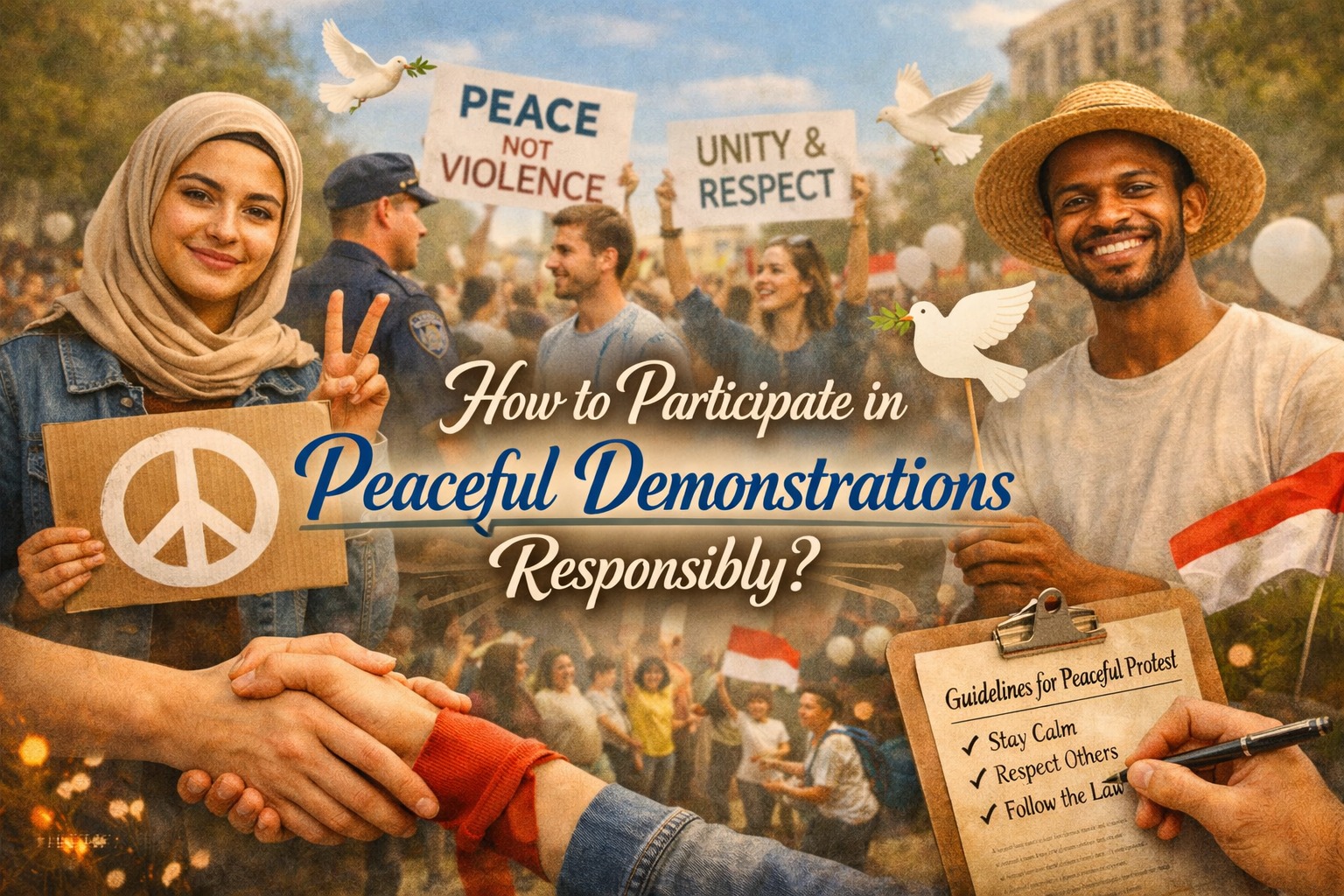
Peaceful demonstrations are an important way for people to express opinions, support social causes, and encourage positive change in society. When conducted responsibly, they help strengthen democracy, promote public awareness, and encourage constructive dialogue between citizens and decision-makers. However, every participant also has a responsibility to respect the rights, safety, and well-being of others. Understanding how to participate responsibly ensures that a demonstration remains effective, lawful, and peaceful.
UNDERSTAND THE PURPOSE OF THE DEMONSTRATION
Before joining a peaceful demonstration, take time to understand its main objective, organizers, and expected activities. Learn about the issue from credible sources so you can communicate accurate information if someone asks about the event. Knowing the purpose also helps you decide whether the demonstration aligns with your personal values and beliefs. Responsible participation begins with being well-informed rather than simply following a crowd. This preparation allows you to contribute more meaningfully throughout the event.
It is also important to understand the rules established by the organizers. Many peaceful demonstrations include guidelines about gathering points, walking routes, and acceptable behavior. Following these instructions helps maintain order and reduces unnecessary risks. Respecting the planned schedule also demonstrates cooperation among participants. A well-organized demonstration is more likely to achieve its intended message.
FOLLOW THE LAW AND RESPECT PUBLIC ORDER
Every participant should obey local laws and regulations while exercising the right to peaceful assembly. Respecting the law protects both participants and the surrounding community. Avoid actions that could damage public property, block emergency services, or interfere with the rights of others. Demonstrations are strongest when they remain peaceful, organized, and respectful.
Maintaining public order also means cooperating with event organizers and authorities when necessary. If instructions are given to ensure safety, listen carefully and respond calmly. Avoid provoking arguments or confrontations with people who disagree with the demonstration. Respectful behavior reflects positively on both the participants and the cause they support. Peaceful actions often leave a stronger and more lasting impression than aggressive behavior.
COMMUNICATE WITH RESPECT AND STAY CALM
Effective demonstrations rely on respectful communication instead of hostility. Express your opinions clearly while remaining polite toward others, including those with different viewpoints. Using respectful language encourages healthy discussion and reduces unnecessary conflict. Calm communication helps the public focus on the message rather than emotional disputes. This approach strengthens the credibility of the demonstration.
If disagreements arise, avoid responding with insults or physical confrontation. Instead, remain calm and focus on the goals of the event. Supporting fellow participants and encouraging peaceful behavior can help prevent misunderstandings from escalating. Responsible communication creates an environment where everyone feels safe to express their opinions. It also demonstrates maturity and civic responsibility.
PRIORITIZE SAFETY AND PREPARE AHEAD
Preparing before attending a demonstration can improve both personal safety and the overall experience. Wear comfortable clothing suitable for the weather and bring drinking water, necessary medication, and identification if appropriate. Charge your mobile phone before leaving home and inform a trusted family member or friend about your plans. Being prepared reduces unnecessary stress during the event. Small preparations can make a significant difference.
Stay aware of your surroundings throughout the demonstration. Follow instructions from organizers if routes change or unexpected situations occur. Avoid dangerous areas or actions that could increase risks for yourself or others. If you notice someone needing assistance, help if it is safe to do so or notify the appropriate people. Responsible participants contribute to a safer environment for everyone.
SUPPORT POSITIVE CHANGE THROUGH RESPONSIBLE ACTION
A peaceful demonstration should encourage constructive dialogue and meaningful social participation. Respect the rights of everyone involved, including people who choose not to participate. Responsible behavior helps build public trust and increases the likelihood that the demonstration's message will be heard. Positive actions inspire others to engage in civic life respectfully. Every participant plays a role in shaping the event's overall impact.
After the demonstration ends, continue supporting the cause through lawful and constructive activities. Share accurate information, participate in community discussions, or volunteer for related initiatives if appropriate. Long-term change often comes from consistent civic engagement rather than a single event. Responsible participation extends beyond the demonstration itself. By acting respectfully before, during, and after the event, individuals help strengthen democratic values and peaceful civic participation.
CONCLUSION
Participating in peaceful demonstrations responsibly requires preparation, respect, self-control, and awareness. Understanding the purpose of the event, following the law, communicating respectfully, prioritizing safety, and supporting constructive action all contribute to a successful demonstration. Responsible participants help create an environment where ideas can be shared peacefully and effectively. Through thoughtful and lawful participation, peaceful demonstrations can become a powerful force for positive social change.
About the Author
Gusti Ayu Tita P
Author — STEKOM University
An active author focused on academic issues, educational technology, and human resource development in the campus environment.