
How Toxic Positivity Affects Children and Parenting
Gusti Ayu Tita P
29 Juli 2026
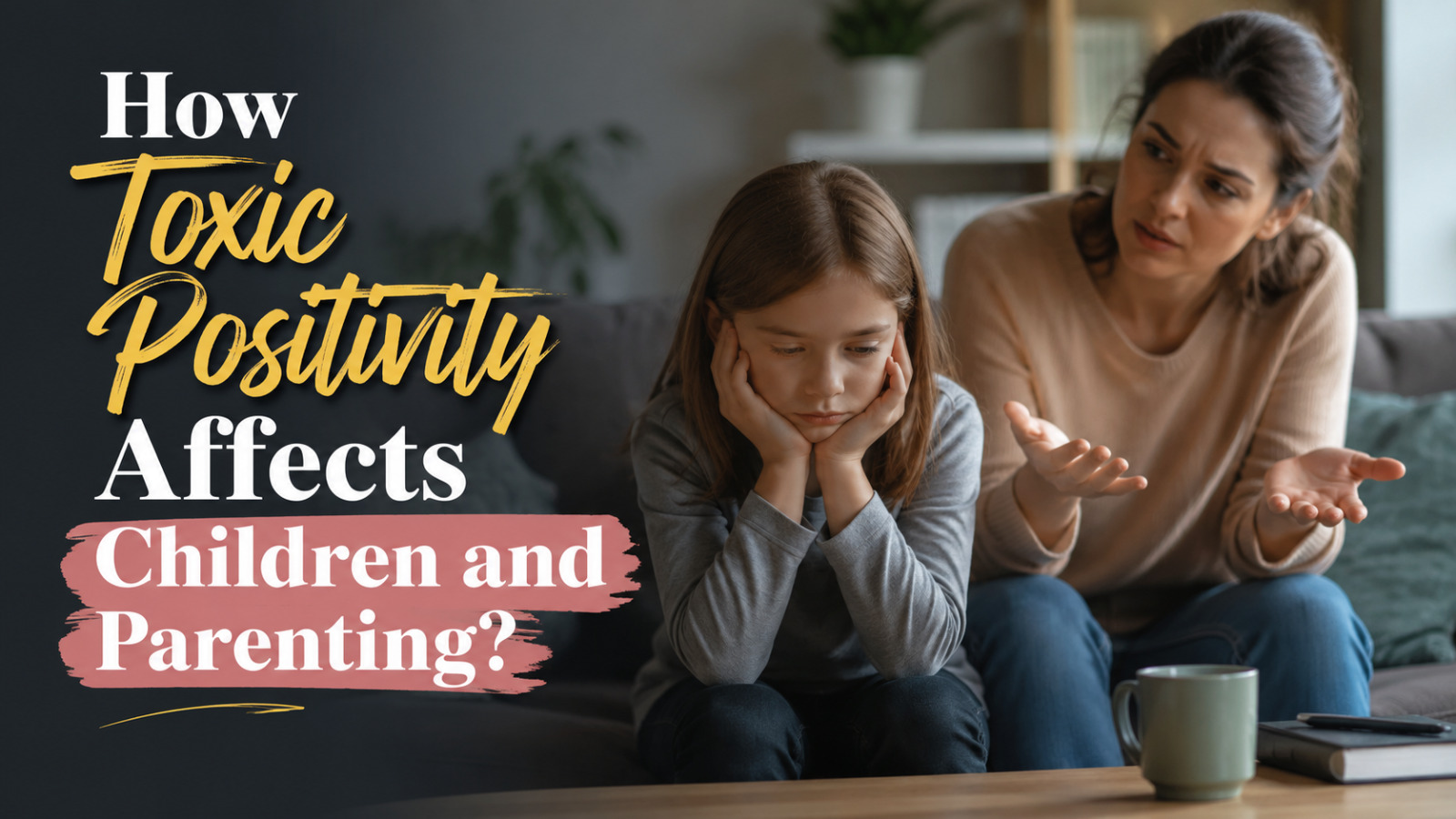
Children need emotional support to grow into healthy, confident, and resilient individuals. While optimism is valuable, forcing children to stay positive all the time can have unintended consequences. This behavior is known as toxic positivity, which encourages people to ignore or suppress difficult emotions instead of understanding them. In parenting, this habit can weaken emotional communication and prevent children from developing healthy coping skills.
This article explains how toxic positivity influences children's emotional development, family relationships, and parenting practices. It also provides practical strategies for raising emotionally healthy children while maintaining a positive home environment.
WHAT IS TOXIC POSITIVITY IN PARENTING?
Toxic positivity is the belief that children should always focus on positive emotions regardless of how difficult a situation may be. Parents may unintentionally say things like "Don't cry," "Just be happy," or "Everything is fine" without acknowledging what the child truly feels. Although these statements are often well-intended, they can make children believe that negative emotions are unacceptable.
Children naturally experience sadness, fear, frustration, disappointment, and anger as part of growing up. When parents consistently dismiss these emotions, children may stop expressing themselves honestly. Over time, they may struggle to identify, understand, and regulate their emotions in healthy ways.
HOW TOXIC POSITIVITY AFFECTS CHILDREN
One of the biggest effects of toxic positivity is emotional suppression. Instead of learning how to process difficult feelings, children may hide them to avoid disappointing adults. This can create stress, anxiety, and confusion because their emotions remain unresolved.
Children who constantly hear that they should always be positive may also develop low emotional resilience. Rather than learning how to overcome challenges, they may become afraid of failure or believe that negative emotions are signs of weakness. As they grow older, these beliefs can affect friendships, school performance, and overall mental well-being.
THE IMPACT ON THE PARENT-CHILD RELATIONSHIP
Healthy parenting depends on trust, communication, and emotional safety. When children feel judged or ignored whenever they express sadness or frustration, they may become less willing to share their thoughts. This emotional distance can reduce the quality of the parent-child relationship over time.
Parents who validate emotions help children feel accepted even during difficult moments. Simple responses such as "I understand you're upset" or "It's okay to feel disappointed" teach children that emotions are normal and manageable. This creates stronger family bonds and encourages open communication.
HEALTHIER WAYS TO SUPPORT YOUR CHILD
Supporting children does not mean removing every negative emotion from their lives. Instead, parents should encourage children to express their feelings while guiding them toward healthy solutions. Listening carefully before offering advice helps children feel respected and understood.
Parents can also model healthy emotional behavior by expressing their own feelings calmly and appropriately. When children see adults handling stress with patience and honesty, they learn valuable emotional skills. Encouraging problem-solving instead of emotional avoidance builds lasting confidence and resilience.
BALANCING POSITIVITY WITH EMOTIONAL VALIDATION
Being positive is still important, but it should never replace emotional validation. Children benefit most when parents acknowledge difficult emotions before helping them focus on hope and solutions. This balanced approach teaches that happiness and sadness can both exist as normal parts of life.
Families that openly discuss emotions often build stronger relationships and healthier communication habits. Children raised in emotionally supportive environments are generally better prepared to face challenges, manage stress, and develop meaningful relationships throughout their lives.
CONCLUSION
Toxic positivity may appear encouraging, but it can unintentionally prevent children from developing healthy emotional skills. By validating emotions instead of dismissing them, parents help children become emotionally intelligent, confident, and resilient. A balanced parenting approach recognizes that every emotion has value and provides opportunities for learning and personal growth. When children feel heard and accepted, they are more likely to thrive both emotionally and socially.
About the Author
Gusti Ayu Tita P
Author — STEKOM University
An active author focused on academic issues, educational technology, and human resource development in the campus environment.















