
How Young People Can Contribute to Positive Social Change
Gusti Ayu Tita P
29 Juli 2026
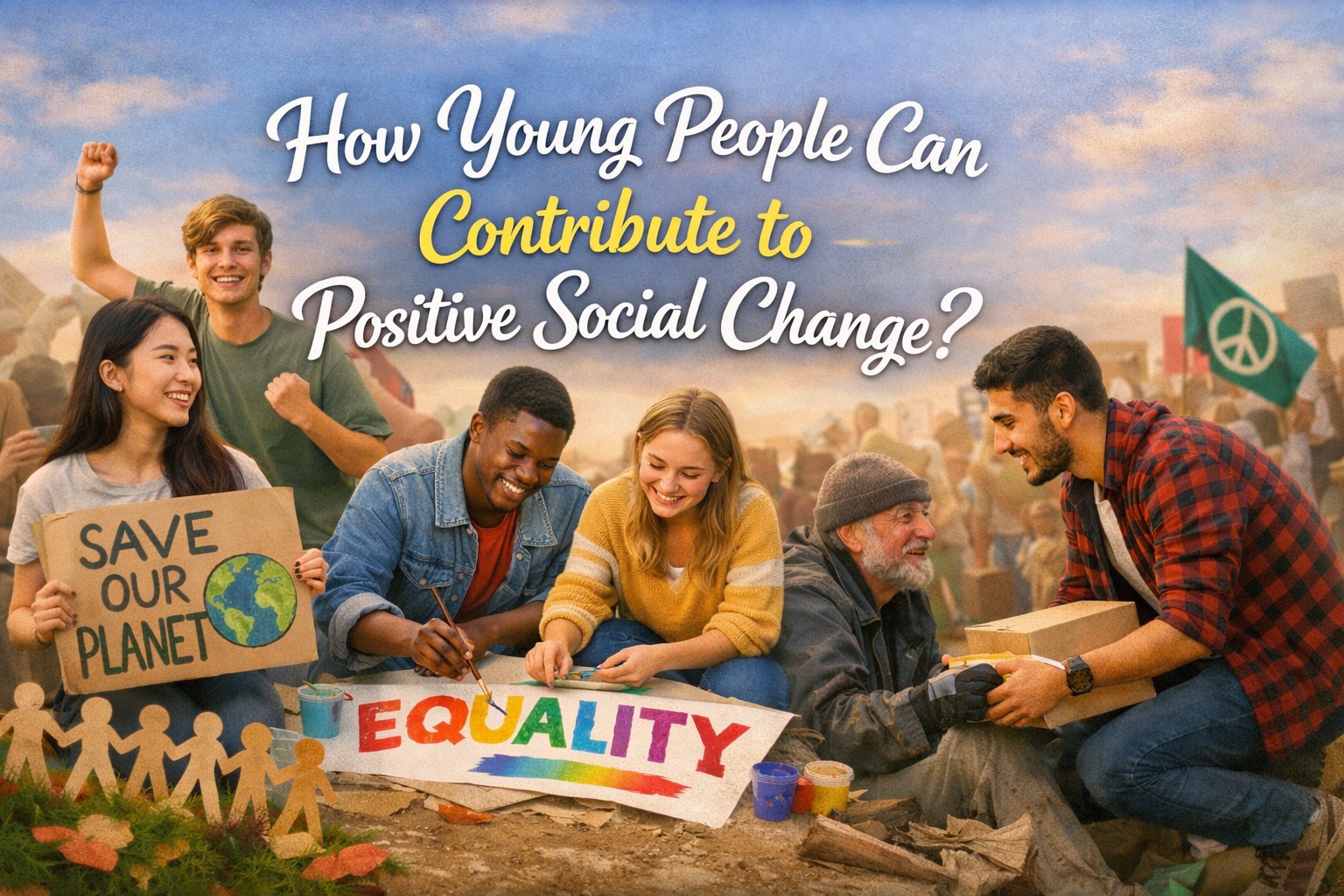
UNDERSTANDING SOCIAL CHANGE
Social change refers to transformations in societal values, behaviors, and structures that lead to progress and equality. Young people play a crucial role in this process because they bring fresh perspectives, innovative ideas, and strong motivation to challenge outdated norms. Their involvement in community projects, activism, and education helps create a more inclusive and sustainable world.
Moreover, youth participation ensures that future generations inherit a society built on justice, empathy, and collaboration. By understanding the importance of social change, young individuals can identify areas where their voices matter most — from environmental protection to human rights advocacy.
THE POWER OF YOUTH INITIATIVES
Young people often lead movements that inspire others to act. Through volunteering, social campaigns, and digital activism, they can raise awareness about issues like climate change, gender equality, and poverty. These initiatives not only spread knowledge but also encourage communities to take concrete steps toward improvement.
When youth collaborate with organizations or local governments, they amplify their impact. Their creativity and energy make them effective agents of transformation, capable of turning ideas into real-world solutions that benefit everyone.
EDUCATION AND AWARENESS
Education empowers young people to understand complex social issues and find effective ways to address them. Schools and universities can nurture critical thinking, leadership, and empathy, helping students become socially responsible citizens.
Awareness campaigns — whether online or offline — allow youth to share accurate information and combat misinformation. By promoting education and awareness, young people help build a society that values truth, equality, and compassion.
COMMUNITY ENGAGEMENT AND VOLUNTEERISM
Active participation in community programs strengthens social bonds and fosters mutual respect. Volunteering in local charities, environmental projects, or social welfare organizations teaches young people the importance of collective effort and solidarity.
Such engagement not only benefits the community but also enhances personal growth. It builds confidence, communication skills, and a sense of purpose — qualities essential for driving positive social change.
USING TECHNOLOGY FOR GOOD
In today’s digital era, technology offers powerful tools for advocacy. Social media platforms enable young people to share stories, organize events, and mobilize support for causes that matter. Responsible use of technology can transform awareness into action, connecting individuals across borders to fight for justice and equality.
However, it’s vital to use these tools ethically — promoting truth, respect, and inclusivity rather than division or hate. When used wisely, technology becomes a bridge that unites communities and accelerates social progress.
About the Author
Gusti Ayu Tita P
Author — STEKOM University
An active author focused on academic issues, educational technology, and human resource development in the campus environment.















