How Youngest Children Can Use Their Unique Personality To Achieve Dreams?
Gusti Ayu Tita P
7 September 2026
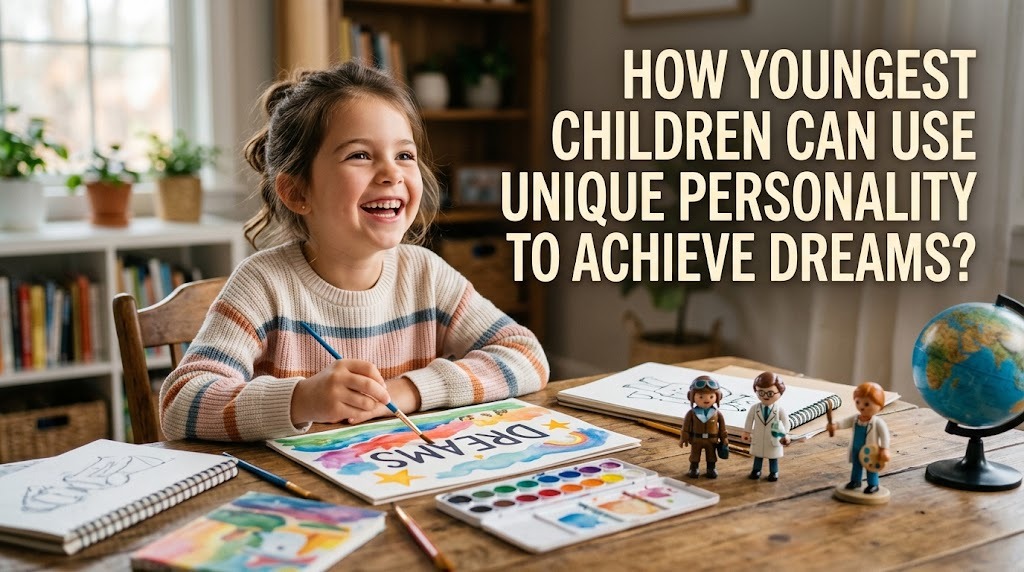
Every person has a unique personality that can influence the way they learn, communicate, and pursue their goals. Youngest children may develop certain characteristics through their experiences with parents and older siblings. Traits such as adaptability, friendliness, creativity, and confidence can become useful strengths when they are developed properly.
However, being the youngest child does not automatically determine someone's personality or future success. Individual experiences, education, environment, and personal choices also have a major influence. By understanding their strengths and improving their weaknesses, youngest children can use their unique qualities to move closer to their dreams.
UNDERSTANDING PERSONAL STRENGTHS
The first step toward achieving a dream is understanding personal strengths. Youngest children can reflect on activities they enjoy and skills they perform well. Their strengths may include communication, creativity, teamwork, adaptability, or problem solving.
Understanding these qualities can help them choose realistic goals that match their interests. They can also identify areas that still need improvement. By knowing both strengths and weaknesses, youngest children can create a more focused personal development plan.
BUILDING SELF CONFIDENCE
Self-confidence is important when pursuing long-term goals. Youngest children may sometimes compare themselves with older siblings who have already achieved certain milestones. Such comparisons can make them underestimate their own abilities.
Instead, they should focus on their individual progress. Completing small goals can gradually build confidence and encourage them to take on bigger challenges. Strong self-confidence can help youngest children express their ideas, make decisions, and continue pursuing their dreams.
USING CREATIVITY TO FIND OPPORTUNITIES
Creativity can help youngest children discover different ways to reach their goals. When facing obstacles, they can consider alternative solutions rather than giving up immediately. This ability can be especially useful when traditional approaches do not produce the expected results.
Creativity can also help them identify opportunities that others may overlook. They can explore new hobbies, skills, projects, or career paths that match their interests. By developing creative thinking, youngest children can become more flexible when pursuing their ambitions.
DEVELOPING INDEPENDENCE
Achieving a dream requires personal effort and responsibility. Youngest children may sometimes receive considerable support from parents or older siblings. While family support is valuable, they also need opportunities to handle challenges independently.
Independence can be developed through simple actions such as making decisions, managing schedules, and completing responsibilities without excessive assistance. These experiences can make them more prepared to face difficult situations. Developing personal independence can strengthen their ability to pursue goals with confidence.
TURNING SOCIAL SKILLS INTO ADVANTAGES
Good social skills can help youngest children build relationships and communicate their ideas effectively. Interaction with different family members may give them opportunities to practice understanding different personalities. These abilities can become valuable when they participate in school, organizations, or professional environments.
Building relationships can also introduce them to new knowledge and opportunities. Youngest children can use their communication skills to collaborate with others and create positive connections. Strong social skills can support both personal development and future career growth.
LEARNING FROM FAILURES AND CHALLENGES
Every meaningful dream involves challenges. Youngest children may experience disappointment, rejection, mistakes, or unexpected obstacles while pursuing their goals. Instead of seeing these experiences as reasons to stop, they can use them as opportunities to learn.
Failure can reveal weaknesses and show which strategies need to be changed. By evaluating mistakes and trying again, they can gradually become more resilient. Developing resilience and a growth mindset can help youngest children remain motivated when their progress is not immediate.
CREATING A CLEAR ACTION PLAN
Dreams become easier to achieve when they are transformed into specific goals. Youngest children can divide large ambitions into smaller and measurable steps. This approach can make their goals feel more realistic and easier to manage.
An action plan can include deadlines, required skills, learning activities, and progress evaluations. They should also remain flexible because circumstances may change along the way. With clear goals and consistent action, youngest children can turn their dreams into achievable plans.
CONCLUSION
Youngest children can use their unique personalities to pursue their dreams by understanding their strengths, building confidence, developing independence, using creativity, and improving social skills. These qualities can become valuable advantages when combined with discipline and consistent effort.
Birth order does not guarantee success, but personal characteristics can be developed into useful strengths. By learning from challenges and creating clear action plans, youngest children can become more prepared to achieve their ambitions. The most important step is to believe in personal potential while continuing to learn and take action.
About the Author
Gusti Ayu Tita P
Author — STEKOM University
An active author focused on academic issues, educational technology, and human resource development in the campus environment.