
HR Manager Strategies For Developing Employee Potential
Gusti Ayu Tita P
24 Juli 2026
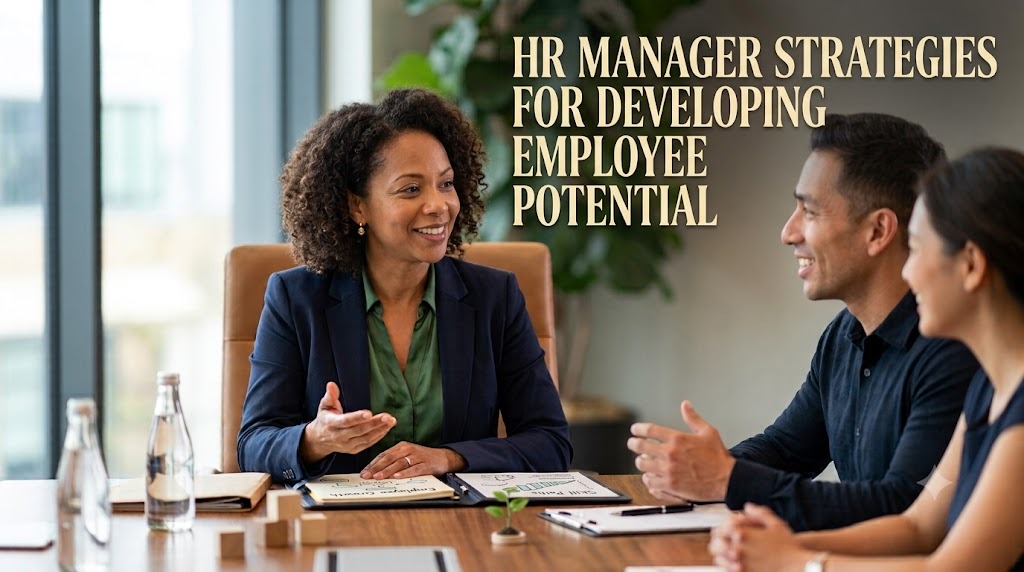
Employees are one of the most valuable assets in any organization. Their knowledge, skills, creativity, and commitment directly influence business performance and long-term success. For this reason, HR Managers play a critical role in helping employees reach their full potential through well-planned development strategies. Investing in employee growth not only improves individual performance but also strengthens the organization's competitive advantage.
In today's rapidly changing business environment, employee development has become a strategic priority rather than an optional activity. HR Managers are responsible for creating learning opportunities, identifying future leaders, and ensuring employees possess the skills needed to meet evolving business demands. Effective development strategies help organizations remain innovative, productive, and prepared for future challenges.
IDENTIFYING EMPLOYEE STRENGTHS AND DEVELOPMENT NEEDS
The first step in developing employee potential is understanding each individual's strengths and areas for improvement. HR Managers conduct performance evaluations, competency assessments, and regular feedback sessions to identify employee capabilities. This information allows organizations to create personalized development plans that match both business goals and career aspirations.
By recognizing individual talents, HR Managers can assign employees to roles where they can perform at their best. A structured assessment process also helps identify future leaders and high-potential employees who can contribute to long-term organizational success.
PROVIDING CONTINUOUS LEARNING OPPORTUNITIES
Continuous learning is essential for maintaining a skilled and competitive workforce. HR Managers organize training programs, workshops, online courses, and certification opportunities that help employees improve both technical and professional competencies. These learning initiatives keep employees prepared for industry changes and technological advancements.
In addition to formal training, HR Managers encourage self-learning and knowledge sharing within teams. Creating a culture of continuous learning helps employees stay motivated while improving overall organizational performance.
DEVELOPING LEADERSHIP AND SOFT SKILLS
Technical knowledge alone is not enough to ensure long-term career success. HR Managers also focus on developing leadership skills, communication, teamwork, emotional intelligence, and problem-solving abilities. These competencies enable employees to work effectively in collaborative and dynamic environments.
Leadership development programs prepare employees for future managerial responsibilities. By investing in soft skills, organizations create confident professionals who can inspire others and contribute to business growth.
CREATING CLEAR CAREER DEVELOPMENT PATHS
Employees are more motivated when they understand their career opportunities within the organization. HR Managers develop structured career paths that outline promotion criteria, required competencies, and professional growth opportunities. Clear career planning increases employee engagement and retention.
Career development discussions also help employees set realistic goals and identify the skills they need to achieve them. This proactive approach supports both employee satisfaction and organizational stability.
ENCOURAGING FEEDBACK AND PERFORMANCE IMPROVEMENT
Constructive feedback is an essential part of employee development. HR Managers establish regular performance review systems that provide employees with clear insights into their strengths and improvement areas. Timely feedback encourages continuous progress and helps employees reach higher performance levels.
Besides evaluating performance, HR Managers should recognize achievements and celebrate employee success. Positive reinforcement motivates employees to continue improving while strengthening their commitment to the organization.
BUILDING A SUPPORTIVE WORK ENVIRONMENT
Employee potential grows best in a workplace that encourages collaboration, creativity, and innovation. HR Managers foster a positive work environment where employees feel respected, supported, and comfortable sharing ideas. Such an atmosphere promotes higher engagement and stronger teamwork.
Organizations that prioritize employee well-being and professional growth often experience lower turnover rates and higher productivity. By combining development initiatives with a supportive culture, HR Managers help employees perform at their highest potential.
MEASURING DEVELOPMENT SUCCESS
Employee development strategies should be evaluated regularly to ensure they achieve desired outcomes. HR Managers monitor training effectiveness, employee performance improvements, promotion rates, and engagement levels using measurable indicators. Data-driven evaluation helps organizations refine development programs over time.
Regular assessment also ensures that development initiatives remain aligned with changing business objectives. Continuous improvement allows organizations to maximize the return on investment in employee development.
CONCLUSION
Effective HR Manager strategies for developing employee potential involve identifying strengths, providing continuous learning opportunities, strengthening leadership skills, supporting career growth, encouraging constructive feedback, and creating a positive workplace environment. These strategies help employees reach their full capabilities while contributing to organizational success.
As businesses continue to evolve, organizations that prioritize employee development, leadership, and continuous learning will gain a stronger competitive advantage. Through strategic human resource management, HR Managers become key drivers of innovation, productivity, and sustainable business growth.
About the Author
Gusti Ayu Tita P
Author — STEKOM University
An active author focused on academic issues, educational technology, and human resource development in the campus environment.



