
Hydropower Plants and the Future of Clean Energy
Gusti Ayu Tita P
31 Agustus 2026
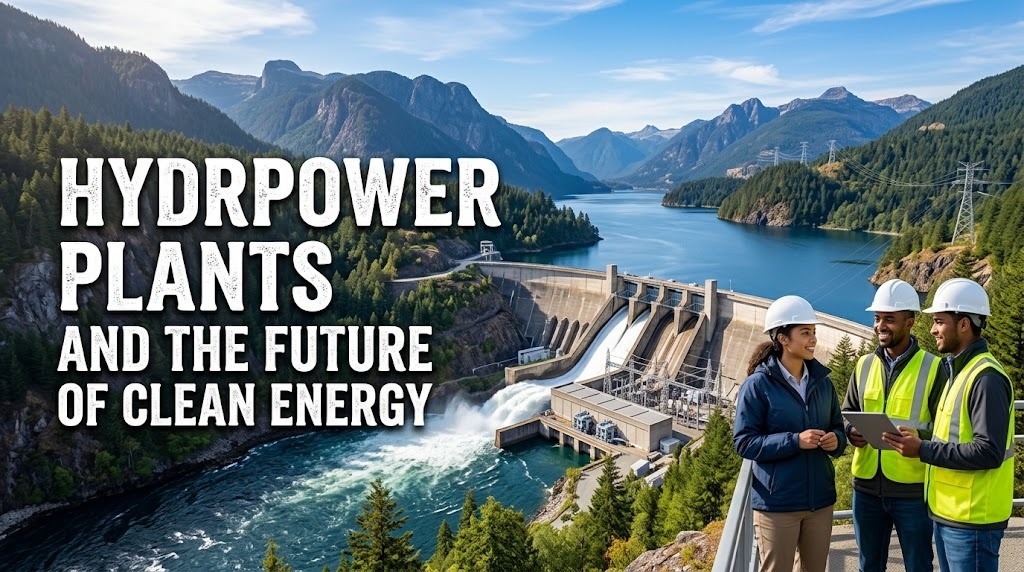
Hydropower plants are an important part of the global transition toward cleaner energy. They generate electricity by using the natural movement of water to turn turbines connected to generators. Unlike conventional power plants that burn coal, oil, or gas, hydropower does not require fuel combustion during normal electricity generation. This makes hydropower a valuable option for reducing dependence on fossil fuels.
As electricity demand continues to grow, energy systems need sources that are not only low in emissions but also reliable and flexible. Hydropower can provide both renewable electricity and system flexibility, especially when supported by reservoirs or pumped storage facilities. However, hydropower projects can also affect rivers, ecosystems, and local communities. Their future therefore depends on balancing energy needs with environmental and social responsibility.
HOW HYDROPOWER PLANTS GENERATE ELECTRICITY?
Hydropower plants convert the energy of moving or falling water into electricity. Water flows through a channel, penstock, or other waterway and reaches a turbine. The force of the water makes the turbine rotate, creating mechanical energy. A generator then converts this mechanical energy into electrical energy.
The amount of electricity produced depends mainly on water flow and hydraulic head, which is the vertical distance through which the water falls. Larger flow and greater head can provide more energy when the plant is properly designed. Different turbine types are selected according to the site's water conditions. This allows hydropower technology to operate across a wide range of locations.
WHY HYDROPOWER IS A CLEAN ENERGY SOURCE?
One of the biggest advantages of hydropower is that it produces electricity without burning fossil fuels during normal operation. This means there are no direct combustion emissions from coal, oil, or natural gas at the power generation stage. Hydropower can therefore help reduce the carbon intensity of electricity systems. It is widely considered a renewable energy technology.
However, hydropower should not automatically be described as having zero environmental impact. Building dams and reservoirs can change river flows, affect habitats, and require significant construction materials. Some reservoirs can also produce greenhouse gas emissions from decomposing organic material, depending on local conditions. The environmental impact varies greatly between individual projects.
HYDROPOWER SUPPORTS GRID STABILITY
Modern electricity grids must constantly balance electricity supply and demand. Some renewable sources, such as solar and wind, naturally vary according to weather and time of day. Certain hydropower plants can adjust their electricity output relatively quickly. This flexibility makes hydropower valuable for balancing the power grid.
Reservoir-based hydropower can store water and release it when electricity is needed, within operational and water-management limits. This allows operators to respond to changes in demand or changes in other sources of generation. Hydropower can therefore complement variable renewable energy. Its exact flexibility depends on the plant design and operating conditions.
RESERVOIRS PROVIDE ENERGY FLEXIBILITY
A reservoir stores water at a higher elevation, allowing the water to retain potential energy. When electricity is needed, water can be released through the generating system. This stored water can provide greater control over when electricity is produced compared with plants that depend directly on the river's immediate flow.
Reservoirs can also serve purposes beyond electricity generation. Some are designed as multi-purpose water infrastructure, supporting irrigation, water supply, flood management, or other needs. Managing these different purposes requires careful coordination. Electricity production must be balanced with water requirements and environmental considerations.
PUMPED STORAGE FOR ENERGY STORAGE
Pumped storage hydropower is one of the most important technologies for large-scale energy storage. Instead of simply using naturally available water, the system pumps water to a higher reservoir when electricity is available. When electricity demand rises, the stored water is released through turbines to generate electricity. This process allows electricity to be stored indirectly as gravitational potential energy.
Pumped storage can be especially useful in power systems with large amounts of solar and wind generation. Excess electricity can be used for pumping instead of being wasted. Later, the stored water can help supply electricity when renewable generation falls or demand increases. This makes pumped storage a potential partner for variable renewable energy.
HYDROPOWER CAN REDUCE FOSSIL FUEL DEPENDENCE
Hydropower can reduce the need for electricity generated from fossil fuels when sufficient water resources are available. Unlike fossil fuel plants, hydropower does not require a continuous supply of coal, oil, or natural gas. This can reduce exposure to fuel price fluctuations and fuel supply disruptions. Countries with suitable water resources can use hydropower as part of their domestic energy supply.
The benefits are particularly relevant for countries seeking to diversify their electricity mix. A broader mix can reduce dependence on a single energy source. However, hydropower output can decline during prolonged droughts. Energy diversification remains important even in systems with significant hydropower capacity.
HYDROPOWER AND CLIMATE CHANGE
Climate change creates both opportunities and risks for hydropower. Changes in rainfall patterns, drought frequency, snowmelt, and extreme rainfall can affect the amount and timing of water available for electricity generation. Some regions may experience lower hydropower production during prolonged dry periods. Other regions may face stronger floods and higher risks to water infrastructure.
Future hydropower planning therefore needs to consider climate and hydrological projections rather than relying only on historical conditions. Reservoir management, infrastructure design, forecasting systems, and emergency planning may need to become more adaptive. Protecting watersheds can also help maintain water resources and reduce erosion. Climate resilience will be an important part of hydropower development.
TECHNOLOGY CAN IMPROVE HYDROPOWER PERFORMANCE
New technologies are helping hydropower plants become more efficient and easier to monitor. Digital sensors, automated controls, advanced forecasting, and condition monitoring can provide operators with real-time information about plant performance. These tools can help identify potential equipment problems before they become major failures. Better information can also support more efficient water management.
Modernization is another important opportunity. Older hydropower facilities can sometimes receive upgraded turbines, generators, control systems, and electrical equipment. These improvements may increase efficiency or reliability without requiring an entirely new dam. Modernizing existing infrastructure can therefore be an important part of the future hydropower strategy.
ENVIRONMENTAL RESPONSIBILITY IS ESSENTIAL
Hydropower development must consider the health of rivers and surrounding ecosystems. Dams can alter natural water flows, sediment movement, fish migration, and aquatic habitats. Large reservoirs can also change land use and affect communities living in the project area. These impacts make environmental assessment and mitigation essential.
Responsible hydropower development can include environmental flow management, fish passage where appropriate, sediment management, habitat protection, and continuous monitoring. Community engagement is also important, particularly when projects affect land, livelihoods, or local water access. A successful project should provide energy benefits while reducing avoidable environmental and social harm.
HYDROPOWER CAN SUPPORT RENEWABLE ENERGY GROWTH
The future energy system is unlikely to depend on one renewable technology alone. Solar, wind, hydropower, geothermal energy, batteries, and other technologies can perform different roles. Hydropower can provide flexibility and dispatchable generation in locations where water resources allow it. This can help electricity systems manage the variable output of solar and wind.
A diversified renewable system can also reduce dependence on the performance of any single source. When solar production decreases after sunset, for example, other resources can help meet demand. Hydropower may contribute to this balance when sufficient water and generation capacity are available. Integrated energy planning is therefore more important than focusing on one technology in isolation.
THE FUTURE OF HYDROPOWER
The future of hydropower will involve more than building new dams. Modernization, climate adaptation, pumped storage, digital technology, and better water management are likely to become increasingly important. Existing facilities can be upgraded to improve performance, while new projects should be selected carefully based on technical, economic, environmental, and social conditions.
Future projects will also need stronger attention to changing climate conditions. Developers and policymakers must evaluate water availability, extreme weather, ecosystem impacts, and community needs over the project's expected lifetime. Hydropower can remain an important clean energy technology, but its long-term value will depend on responsible planning and management.
CONCLUSION
Hydropower plants have an important role in the future of clean energy because they can generate renewable electricity while providing flexibility to power systems. Reservoir-based plants can help manage electricity supply, while pumped storage can provide large-scale energy storage. Hydropower can also complement solar and wind power as countries move toward lower-carbon electricity systems.
At the same time, hydropower is not completely free from environmental and climate-related challenges. Responsible development, watershed protection, modern technology, climate adaptation, and community involvement are essential for sustainable growth. With careful planning, hydropower can continue to support reliable, flexible, and cleaner electricity systems for the future.
About the Author
Gusti Ayu Tita P
Author — STEKOM University
An active author focused on academic issues, educational technology, and human resource development in the campus environment.















