
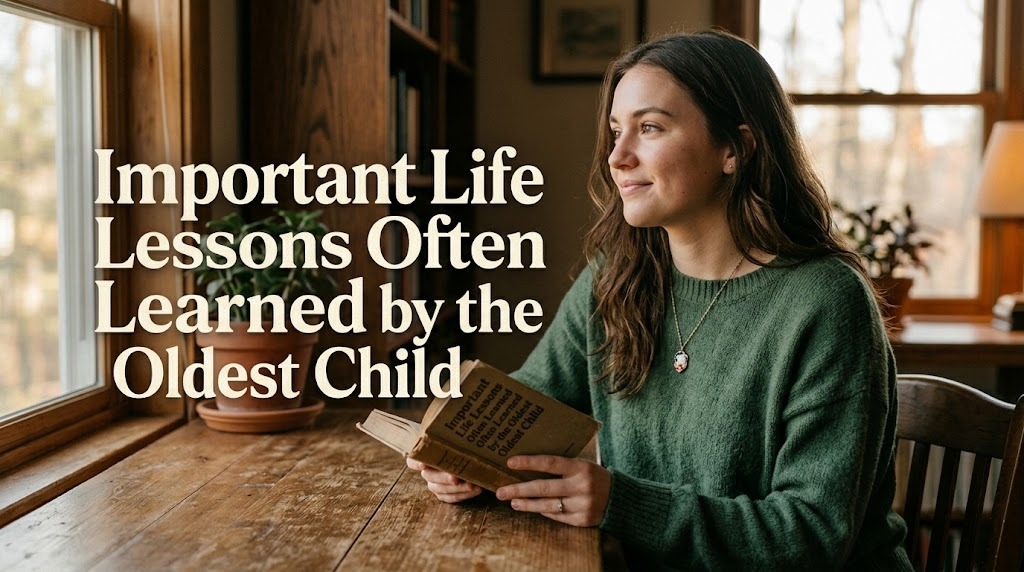
Important Life Lessons Often Learned by the Oldest Child
Gusti Ayu Tita P
7 September 2026
LEARNING RESPONSIBILITY FROM AN EARLY AGE
Being the oldest child often means experiencing new responsibilities before younger siblings. Parents may naturally expect the firstborn to help with simple tasks at home, take care of younger siblings, or become a good example. These experiences can teach the importance of responsibility from an early age. Although responsibilities can sometimes feel difficult, they may help children understand that their actions can affect other family members. Over time, these experiences can become valuable lessons that are useful in school, friendships, and future careers.
The oldest child may also learn how to complete tasks without always depending on parents. They can develop better awareness of time management, organization, and personal commitments. However, parents should make sure that responsibilities remain appropriate for the child's age. A firstborn should still have enough time to play, rest, learn, and enjoy childhood. When responsibility is balanced with support, it can contribute positively to personal development.
DEVELOPING LEADERSHIP AND DECISION MAKING SKILLS
Another important lesson often learned by the oldest child is how to take initiative. As the firstborn, they may be asked to guide younger siblings or help solve small problems within the family. These situations can encourage the development of leadership skills and confidence. The child may become more comfortable making decisions and explaining ideas to others. These abilities can later become useful in education, social relationships, and professional environments.
However, leadership does not mean that the oldest child must always be correct or responsible for everyone. They also need to learn that asking for help is a normal part of making good decisions. Parents can support this development by allowing the child to make age appropriate choices and learn from mistakes. Decision making becomes stronger when children understand both the benefits and consequences of their choices. This process can help firstborn children become more independent and thoughtful individuals.
UNDERSTANDING THE VALUE OF PATIENCE AND COMPROMISE
Living with younger siblings can teach the oldest child that people have different needs, personalities, and ways of thinking. They may need to share toys, attention, space, or family activities with their siblings. Such experiences can teach patience and encourage children to control their emotions during disagreements. They may also learn that not every situation can be solved by getting what they want. These everyday interactions can provide valuable lessons about cooperation and understanding.
The ability to compromise can become especially important as siblings grow older. The oldest child may learn to listen to another person's opinion and find a solution that works for everyone. This does not mean that they should always give in to others. Instead, healthy compromise involves respecting different perspectives while also communicating personal needs. These skills can help develop emotional maturity and stronger relationships beyond the family.
LEARNING FROM MISTAKES AND SETBACKS
Being the firstborn can sometimes create a feeling that everything must be done correctly. Parents may have high expectations because the oldest child is often the first to experience important family milestones. However, making mistakes is an essential part of growing and learning. The oldest child can discover that failure does not define their ability or future. Learning from mistakes can gradually build resilience and a healthier approach to challenges.
Setbacks can also teach children how to evaluate their actions and make better choices in the future. Instead of avoiding every mistake, they can learn to understand what went wrong and what can be improved. Supportive parents can make this process easier by focusing on learning rather than excessive criticism. A child who feels safe discussing mistakes is more likely to develop confidence and problem solving abilities. These lessons can become valuable throughout education, relationships, and adult life.
BALANCING EXPECTATIONS WITH PERSONAL GOALS
The oldest child may sometimes feel pressure to become a role model for younger siblings. Family members may expect them to achieve good grades, behave responsibly, or make decisions that others can follow. While positive expectations can encourage growth, excessive pressure may make the child feel that they must always succeed. One important lesson is learning how to separate family expectations from personal goals. The oldest child needs to understand that their life does not have to follow a path designed entirely by others.
Healthy personal development requires children to discover their own interests, strengths, and ambitions. Parents can encourage this by listening to what their firstborn wants rather than constantly comparing them with siblings or other children. The child should understand that being a role model does not mean being perfect. Self confidence grows when children are allowed to make choices while receiving reasonable guidance. This balance can help the oldest child pursue meaningful goals without carrying unnecessary pressure.
BUILDING INDEPENDENCE AND STRONG FAMILY RELATIONSHIPS
One of the most valuable lessons for an oldest child is learning how to become independent while maintaining healthy relationships with family members. Growing older naturally brings new responsibilities, decisions, and personal goals. The firstborn may eventually realize that they can support their family without having to solve every problem themselves. Independence allows them to develop their own identity and make responsible choices. At the same time, strong family relationships can provide emotional support during difficult situations.
The oldest child can also learn that a healthy relationship with siblings requires communication, respect, and mutual understanding. Instead of acting only as a protector or role model, they can build relationships based on friendship and equality. Parents can help by avoiding comparisons and giving each child space to develop individually. Over time, these habits can strengthen sibling relationships and create a more supportive family environment. The lessons learned through family life can remain meaningful even when siblings become adults and have separate lives.
CONCLUSION
Being the oldest child can provide many experiences that contribute to personal growth. Responsibility, leadership, patience, resilience, independence, and communication are among the important lessons that firstborn children may develop while growing up. However, every child experiences family life differently, so being the oldest does not automatically create the same personality or abilities in everyone. The role of parents is important in ensuring that responsibility and expectations remain healthy and appropriate. With balanced guidance and emotional support, the oldest child can turn family experiences into valuable life lessons that support their future.
About the Author
Gusti Ayu Tita P
Author — STEKOM University
An active author focused on academic issues, educational technology, and human resource development in the campus environment.















