
Important Requirements For A Successful Visa Application
Gusti Ayu Tita P
24 Agustus 2026
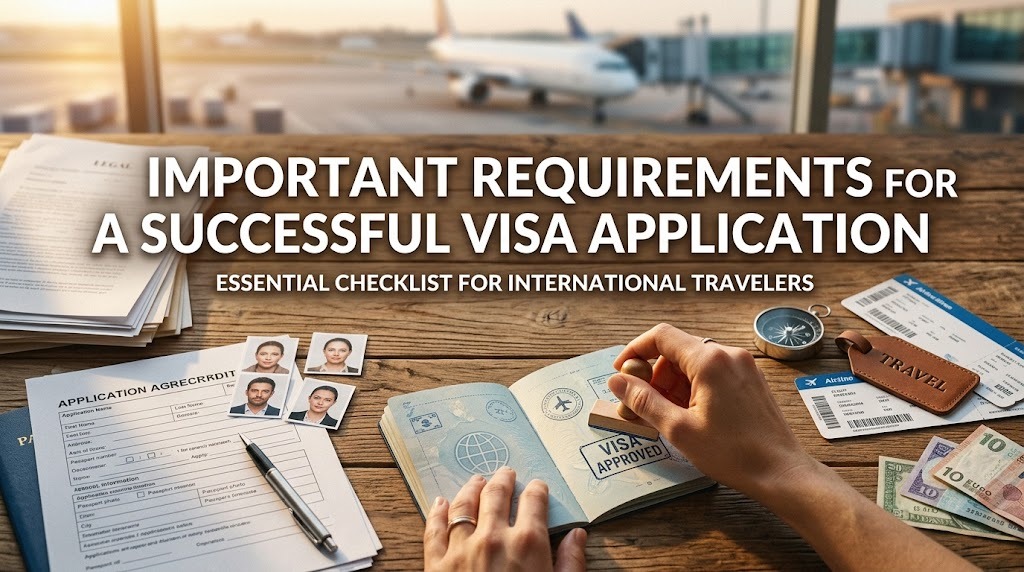
Applying for a visa is an important step for anyone planning to travel abroad. A visa allows a foreign government to assess whether a traveler meets the requirements for entering its territory for a specific purpose. The requirements can vary depending on the destination country, visa type, nationality, and purpose of travel. Therefore, applicants should prepare carefully before submitting their applications. Understanding the important requirements for a successful visa application can help reduce mistakes and make the process more organized.
CHOOSE THE RIGHT VISA TYPE
The first requirement is choosing a visa category that matches the purpose of the trip. Tourists generally need a visitor or tourist visa, while students may need a student visa and employees may require a work visa. Some countries also provide specific visas for business visits, family reunification, transit, or other purposes. Applying for the wrong category can create problems during the application process. Applicants should always check the official immigration or embassy information of the destination country before applying.
The length and conditions of a visa can also differ between categories. A tourist visa, for example, may not allow the holder to work or study for an extended period. Understanding these restrictions is important because having a visa does not automatically mean that every activity is permitted. The applicant should select a visa based on what they genuinely plan to do during their stay.
PREPARE A VALID PASSPORT
A valid passport is one of the most basic requirements for international travel and visa applications. Many countries require a passport to remain valid for a certain period beyond the planned departure or stay. Some destinations may also require several blank pages for immigration stamps or visa labels. Because requirements differ, applicants should check the passport rules of the destination country carefully.
The personal information in the passport should also match the information entered in the visa application. Differences in names, birth dates, passport numbers, or other important details can cause delays or require corrections. Applicants should therefore check every passport detail before submitting their application. If the passport is close to expiring, renewing it before applying may be a practical choice.
COMPLETE THE APPLICATION FORM ACCURATELY
A visa application form should be completed truthfully, consistently, and carefully. Applicants usually need to provide personal information, travel plans, employment or education details, and information about their intended stay. Every answer should be based on accurate information and supported by documents when required. Leaving important questions unanswered or entering incorrect information can create unnecessary complications.
Applicants should review the form several times before submission. Small errors in dates, passport numbers, addresses, or travel details can affect the processing of an application. It is also important not to provide misleading information simply to make the application appear stronger. Honest and consistent information is generally essential throughout the visa process.
PROVIDE COMPLETE SUPPORTING DOCUMENTS
Supporting documents help demonstrate that the applicant meets the requirements of the selected visa. Depending on the destination and visa category, documents may include proof of accommodation, travel plans, financial evidence, employment information, invitation letters, or educational documents. Not every applicant will need the same documents. Therefore, applicants should follow the official checklist provided by the relevant embassy, consulate, or immigration authority.
Documents should be clear, current, and properly prepared. If translations, certified copies, photographs, or specific document formats are required, applicants should follow those instructions carefully. Incomplete documentation can lead to delays or an unfavorable decision, depending on the applicable rules. Organizing documents in advance can also make the application process easier.
SHOW FINANCIAL CAPABILITY
Many visa applications require applicants to demonstrate that they can support themselves financially during their trip. Evidence may include bank statements, salary records, employment documents, sponsorship information, or other accepted financial evidence. The exact amount and type of evidence required depends on the country and visa category. Applicants should therefore avoid assuming that one financial standard applies to every destination.
Financial documents should represent the applicant's genuine financial circumstances. Making unusual transactions simply to increase a bank balance shortly before applying may raise questions if an authority reviews the financial history. Consistency between financial evidence, employment information, and travel plans can help present a clearer application.
EXPLAIN THE PURPOSE OF THE TRIP
Applicants should be able to clearly explain why they want to travel and what they intend to do abroad. The purpose should be consistent with the visa category and the information provided in the application. For example, someone applying for a tourist visa should have a travel purpose that corresponds to tourism rather than unauthorized employment. A clear explanation can make the application easier to understand.
Travel plans should also be realistic and reasonable. Applicants may need to provide information about accommodation, planned activities, or an invitation depending on the visa requirements. Clear travel information and consistent supporting documents can strengthen the overall presentation of an application without guaranteeing approval.
PREPARE FOR THE VISA INTERVIEW
Some visa applications require an interview with a consular officer or immigration representative, while others may not. If an interview is required, applicants should understand their travel plans and be prepared to answer questions about their purpose of travel, financial situation, employment, education, or intended stay. Answers should be honest and consistent with the submitted documents.
There is usually no benefit in memorizing complicated responses. Applicants should instead focus on answering clearly, directly, and truthfully. They should also bring any documents specifically requested for the interview. Confidence is useful, but providing false information can create serious problems.
CHECK APPLICATION FEES AND DEADLINES
Visa applications commonly involve application fees, although the amount and payment method vary by country and visa category. Some fees may be non-refundable even if the application is refused. Applicants should confirm the current fee through an official source before making payment. They should also check whether additional service or biometric fees apply.
Timing is equally important. Processing periods can vary depending on the destination, visa category, application volume, season, and whether additional checks are required. Applying too close to the intended travel date can create unnecessary pressure. Submitting the application well in advance gives applicants more time to respond if additional documents or information are requested.
REVIEW EVERYTHING BEFORE SUBMISSION
A final review is one of the simplest ways to reduce avoidable mistakes. Applicants should compare the application form with their passport and supporting documents. Names, dates, addresses, travel information, and financial details should be consistent wherever applicable. They should also confirm that every required document has been included.
Applicants should use the official requirements as their main reference because visa policies can change. Information from unofficial websites or social media may be outdated or incomplete. Following the latest instructions from the relevant embassy, consulate, or immigration authority is therefore essential. Careful preparation cannot guarantee approval, but it can help applicants avoid preventable errors.
CONCLUSION
A successful visa application begins with careful preparation and accurate information. Choosing the correct visa, maintaining a valid passport, completing the application correctly, and providing the required documents are essential steps. Applicants should also demonstrate appropriate financial support and clearly explain the purpose of their trip when required. Preparing for an interview and submitting the application within an appropriate timeframe can further improve the overall process. Most importantly, applicants should always follow the latest official requirements because visa rules differ between countries and can change over time.
About the Author
Gusti Ayu Tita P
Author — STEKOM University
An active author focused on academic issues, educational technology, and human resource development in the campus environment.















