
Improving Passenger Experience on Modern Public Transit
Gusti Ayu Tita P
11 Agustus 2026
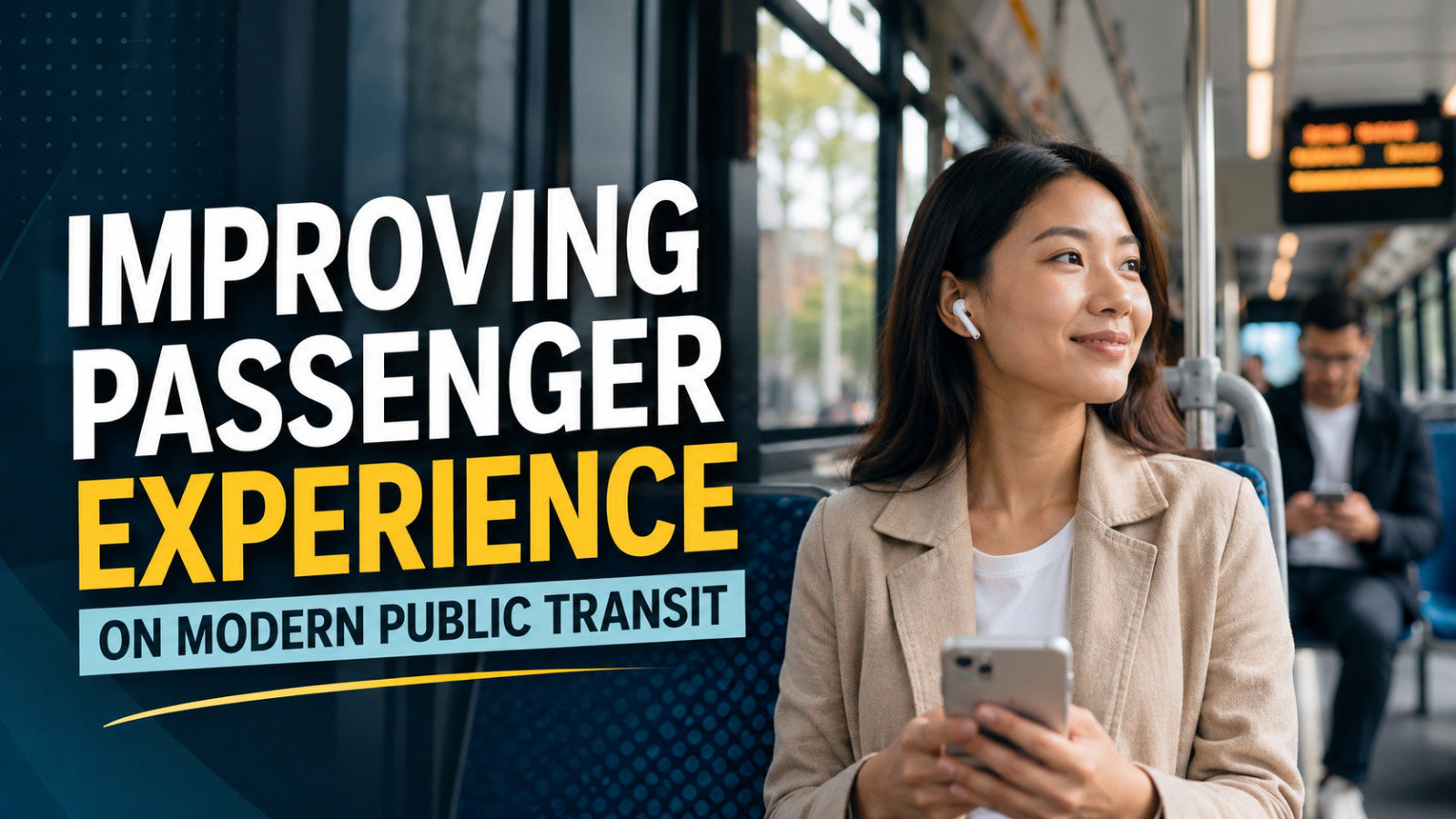
Modern public transportation plays an important role in helping people move efficiently across growing cities. As urban populations increase, passengers expect transit services to be safe, comfortable, reliable, and easy to use. A good passenger experience can encourage more people to choose buses, trains, subways, and other forms of public transit instead of private vehicles. Improving this experience is therefore important for both passengers and city development.
Passenger experience is not only about having a clean vehicle or a comfortable seat. It also includes punctuality, accessibility, clear information, convenient payment systems, safety, and helpful customer service. Transit agencies that understand these needs can create services that are more attractive and responsive to modern lifestyles.
THE IMPORTANCE OF A BETTER PASSENGER EXPERIENCE
A positive passenger experience can make public transportation more appealing to daily commuters. When services operate on time and provide accurate information, passengers can plan their activities with greater confidence. Reliability is one of the most important factors because frequent delays can make people consider other transportation options. Comfortable stations and vehicles can also make long journeys less stressful.
Better passenger experiences can also increase public trust in transit systems. Passengers are more likely to use public transportation regularly when they feel that their time, safety, and comfort are respected. This can help cities reduce dependence on private cars and support more efficient urban mobility.
USING DIGITAL TECHNOLOGY TO IMPROVE SERVICES
Digital technology has changed the way passengers interact with public transportation. Mobile applications can provide real-time schedules, route information, service alerts, and estimated arrival times. These features help passengers make better travel decisions and reduce uncertainty while waiting for a vehicle. Digital maps can also make it easier for visitors and new passengers to understand unfamiliar transit networks.
Electronic payment systems provide another important improvement. Passengers can use contactless cards, mobile payments, or digital tickets instead of relying on cash or physical tickets. This can make boarding faster and reduce queues at stations. When digital services are designed clearly and reliably, they can make the entire travel process more convenient.
MAKING PUBLIC TRANSIT SAFER AND MORE COMFORTABLE
Safety is a fundamental part of passenger satisfaction. Transit operators need to maintain vehicles, stations, platforms, and pedestrian areas properly to reduce potential risks. Adequate lighting, security cameras, emergency systems, and trained staff can help passengers feel safer during their journeys. Safety measures should also consider passengers traveling at night and people who may require additional assistance.
Comfort is equally important, especially for passengers who spend significant time traveling. Clean vehicles, sufficient seating, good ventilation, and reasonable crowd management can improve the overall experience. Regular maintenance is essential because clean and well-maintained facilities create a more welcoming environment. Small improvements in comfort can have a meaningful effect on how passengers view public transportation.
IMPROVING ACCESSIBILITY FOR EVERY PASSENGER
Modern public transit should be accessible to people with different physical abilities and travel needs. Stations and vehicles can include ramps, elevators, accessible seating, tactile paths, and clear visual information. These features help passengers with disabilities, older adults, parents with young children, and people carrying heavy items. Accessibility should be considered during both infrastructure planning and daily service operations.
Clear communication is also important for inclusive transportation. Audio announcements, readable signs, and easy-to-understand route maps can help passengers navigate transit systems more confidently. Transit agencies should regularly evaluate whether their services are convenient for different groups of passengers. Inclusive design makes public transportation more useful for the entire community.
PROVIDING CLEAR AND ACCURATE TRAVEL INFORMATION
Passengers need reliable information before and during their journeys. Clear signs can help them identify platforms, entrances, exits, transfer points, and destinations without unnecessary confusion. Real-time updates are especially valuable when delays, cancellations, or route changes occur. Providing information quickly allows passengers to adjust their travel plans.
Information should also be presented in simple and consistent formats. Digital displays, mobile applications, announcements, websites, and station signs should provide information that does not contradict itself. When passengers receive accurate updates, they are less likely to feel frustrated during unexpected disruptions. Good communication can turn a difficult travel situation into a manageable one.
LISTENING TO PASSENGER FEEDBACK
Transit agencies can improve their services by understanding what passengers experience every day. Surveys, mobile applications, customer service channels, and social media can provide useful feedback about problems and expectations. Passenger feedback can reveal issues that may not be obvious from operational data alone. Agencies can use this information to identify areas that require improvement.
However, collecting feedback is only useful when operators respond to it appropriately. Common complaints about delays, cleanliness, overcrowding, accessibility, or ticketing should be analyzed and addressed where possible. Communicating improvements back to passengers can also strengthen public trust. A responsive transit system shows that passenger opinions have real value.
SUPPORTING A MORE CONVENIENT TRAVEL JOURNEY
A passenger's experience includes every stage of a trip, from planning the journey to reaching the final destination. Transit systems should make transfers between routes as simple as possible. Integrated schedules, coordinated connections, clear transfer signs, and convenient ticketing can reduce unnecessary waiting and confusion. Better connections are particularly important in large cities where passengers may need several modes of transportation.
First and last-mile connections also deserve attention. Walking paths, cycling facilities, feeder buses, and other local transportation options can help passengers reach major transit stations. When these connections work together, public transportation becomes more practical for a wider range of travelers. A seamless journey is more attractive than a system that works well only on individual routes.
CONCLUSION
Improving passenger experience on modern public transit requires more than upgrading vehicles. Cities need to focus on reliability, safety, comfort, accessibility, digital technology, clear information, and passenger feedback. These elements work together to create a transportation system that is easier and more pleasant to use.
A better passenger experience can encourage people to choose public transit more frequently. As cities continue to grow, investing in user-friendly transportation can support efficient, inclusive, and sustainable urban mobility. Public transit that responds to passenger needs can become an important part of a better-connected and more livable city.
About the Author
Gusti Ayu Tita P
Author — STEKOM University
An active author focused on academic issues, educational technology, and human resource development in the campus environment.















