
Is a Death Certificate Needed for Inheritance Matters?
Gusti Ayu Tita P
14 September 2026
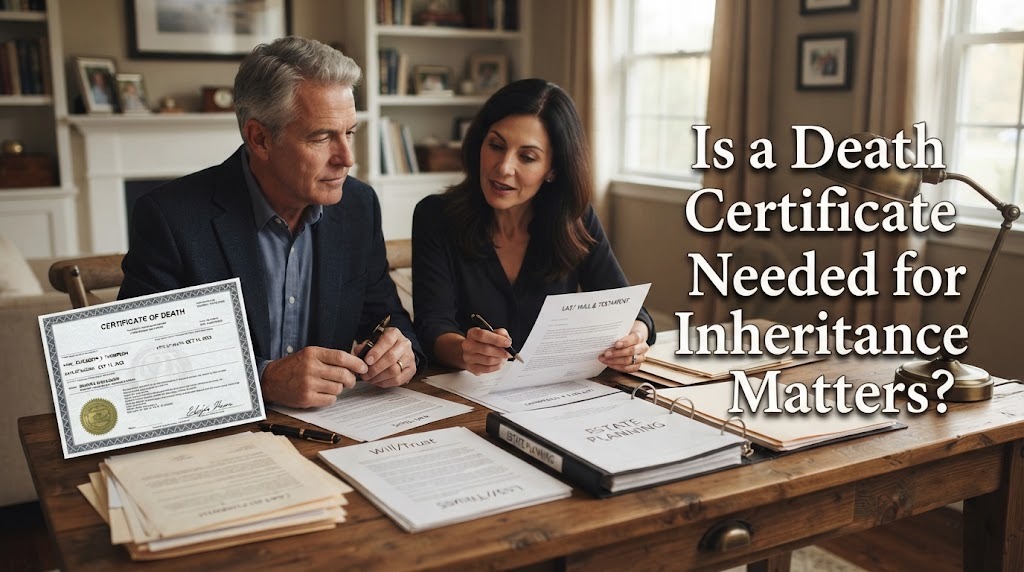
A death certificate can be an important document when a family begins handling inheritance after someone passes away. It provides official evidence that the person has died and can help institutions verify the status of the deceased. The document may be requested when dealing with property, bank accounts, insurance, or other assets belonging to the deceased. However, inheritance requirements can vary depending on local laws, the type of assets, and the institution involved.
WHY IS A DEATH CERTIFICATE IMPORTANT FOR INHERITANCE?
A death certificate helps establish the legal fact of a person's death. This information may be needed before assets can be transferred to eligible heirs. Banks, insurance companies, land offices, and other institutions may request the document as part of their procedures. Having an official death record can therefore make the inheritance process more organized.
WHAT OTHER DOCUMENTS MAY BE REQUIRED?
A death certificate is usually not the only document needed to handle an inheritance. Depending on the situation, families may also need identity documents, a family card, proof of ownership, a will, or documents establishing the relationship between the deceased and the heirs. Additional documents may be required for specific assets or legal procedures. Families should check the requirements of the relevant institution before submitting an application.
IS A DEATH CERTIFICATE REQUIRED FOR EVERY INHERITANCE PROCESS?
Not every inheritance procedure has exactly the same requirements. Some institutions may require an official death certificate, while others may request additional evidence or specific legal documents. The applicable requirements can also depend on the type of inheritance and the laws governing the estate. Therefore, families should confirm the required documents with the authority or institution handling the inheritance.
HOW DOES IT HELP THE HEIRS?
A death certificate can help heirs demonstrate that the asset owner has passed away. This may support requests to transfer ownership, close accounts, make insurance claims, or complete other administrative procedures. It can also help keep official records consistent with the person's current status. As a result, obtaining and keeping the death certificate is an important step for families dealing with an estate.
WHAT SHOULD FAMILIES DO BEFORE STARTING THE PROCESS?
Families should collect the death certificate and organize other relevant inheritance documents before contacting the institution responsible for each asset. They should check that the information on the death certificate is accurate and matches other official records. If there is an error, it is better to request a correction before using the document for important legal or financial matters. Getting professional legal assistance may also be appropriate when the inheritance involves complex disputes or significant assets.
CONCLUSION
A death certificate is often an important document for inheritance matters because it officially confirms the death of the asset owner. However, it may not be sufficient on its own, and the exact requirements depend on the circumstances and applicable laws. Families should prepare the death certificate together with documents proving identity, family relationships, ownership, and inheritance rights when required. Checking the requirements with the relevant authority can help ensure that the inheritance process proceeds smoothly.
About the Author
Gusti Ayu Tita P
Author — STEKOM University
An active author focused on academic issues, educational technology, and human resource development in the campus environment.