Is Buying Fake Products Harmful To Consumers
Gusti Ayu Tita P
26 Agustus 2026
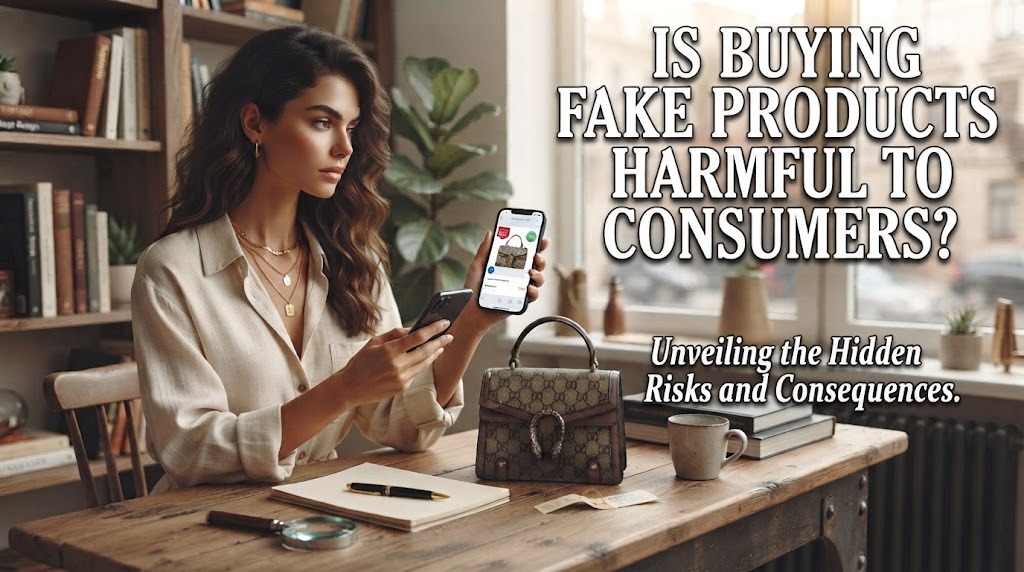
Buying fake products may seem like an easy way to save money, especially when counterfeit goods look similar to popular original products. However, the lower price can come with quality, safety, financial, and legal risks. Counterfeit products are made to imitate genuine goods but are often produced without the same standards or quality controls. Consumers may not always realize that an item is fake until they experience problems after purchasing it. Understanding the risks of buying fake products can help consumers make safer and more responsible decisions.
FAKE PRODUCTS CAN HAVE POOR QUALITY
One of the most common problems with counterfeit goods is lower product quality. Fake products may use inexpensive materials, weak components, or manufacturing processes that do not meet the standards used for genuine products. This can cause products to break more easily or perform poorly. Clothing may have weak stitching, accessories may use inferior materials, and electronic devices may have unreliable components. As a result, consumers may need to replace the product sooner than expected.
Poor quality can also reduce the value of the money spent. A product that appears cheap at first may become more expensive when it needs to be repaired or replaced repeatedly. The initial saving does not always represent a real financial benefit. Consumers should consider durability and reliability rather than looking only at the purchase price.
COUNTERFEIT PRODUCTS MAY CREATE SAFETY RISKS
Some fake products can create serious safety concerns because they may not undergo proper testing. Counterfeit electronics, batteries, automotive parts, cosmetics, medicines, and children's products can be particularly concerning. These products may contain unsuitable materials, have defective components, or fail to meet required safety standards. Consumers may have no reliable way to know how a counterfeit item was manufactured.
The consequences can range from product failure to serious injury or other harm. For example, an unsafe electronic product may overheat, while counterfeit cosmetics or medicines may contain inappropriate or undeclared substances. Products that affect health or physical safety should never be chosen solely because they are cheaper. When safety is important, purchasing from an official or authorized source is the safer option.
CONSUMERS MAY LOSE MONEY
Although fake products are often cheaper than genuine products, they can still cause financial losses. A counterfeit item may stop working shortly after purchase and may not have a valid warranty or repair service. Consumers may also spend additional money replacing the product with a genuine one. In some cases, buyers may lose their entire payment if the seller disappears or refuses to provide a refund.
Online shopping can increase this risk when consumers purchase from unknown sellers. Attractive advertisements and extremely low prices can encourage quick decisions without sufficient research. A low price is not a good deal if the product does not provide the expected quality or protection. Comparing sellers and checking return policies can help consumers avoid unnecessary financial losses.
HOW TO PROTECT YOURSELF FROM FAKE PRODUCTS
Consumers can take several simple steps to reduce the risk of buying counterfeit goods. First, choose official stores or authorized sellers whenever possible, especially when purchasing expensive or safety-sensitive products. Compare prices across trusted sellers and be cautious when one offer is significantly cheaper than the normal market price. Examine packaging, product information, serial numbers, and authentication features when available.
For online purchases, check seller ratings, detailed reviews, return policies, warranties, and payment protection. Keep receipts, order confirmations, and communication records for important transactions. Do not let urgency or extremely attractive discounts prevent you from checking the product carefully. A few minutes of research can help prevent a much larger financial or safety problem.
WHEN A CHEAPER ALTERNATIVE MAY BE ACCEPTABLE
Not every inexpensive product is counterfeit. Consumers can legally choose unbranded products, generic alternatives, second-hand goods, or products from lesser-known brands when these items are honestly advertised. The important difference is that these products should not falsely claim to be genuine products from another brand. Consumers should know exactly what they are purchasing.
For example, an unbranded product can provide good value if its specifications, quality, and safety information are clearly stated. Choosing a legitimate budget alternative can be safer than purchasing a counterfeit version of an expensive brand. Affordable does not have to mean fake, as long as the product is honestly represented and meets relevant standards.
CONCLUSION
So, is buying fake products harmful to consumers? In many cases, yes, because counterfeit goods can involve poor quality, safety concerns, financial losses, unreliable warranties, and misleading information. The risks are particularly serious for products connected to health, electricity, transportation, or child safety. Consumers may also contribute to illegal markets and unfair competition when they knowingly purchase counterfeit goods.
The safest approach is to focus on authenticity, quality, safety, and seller reliability rather than price alone. Buying from official stores or authorized sellers can significantly reduce the risk of receiving counterfeit products. Consumers who want affordable options can consider legitimate generic, unbranded, discounted, or second-hand products instead. Making informed purchasing decisions protects both consumers and the wider market.
About the Author
Gusti Ayu Tita P
Author — STEKOM University
An active author focused on academic issues, educational technology, and human resource development in the campus environment.