
Is Offline Learning Better For Building Relationships And Professional Networks?
Gusti Ayu Tita P
11 September 2026
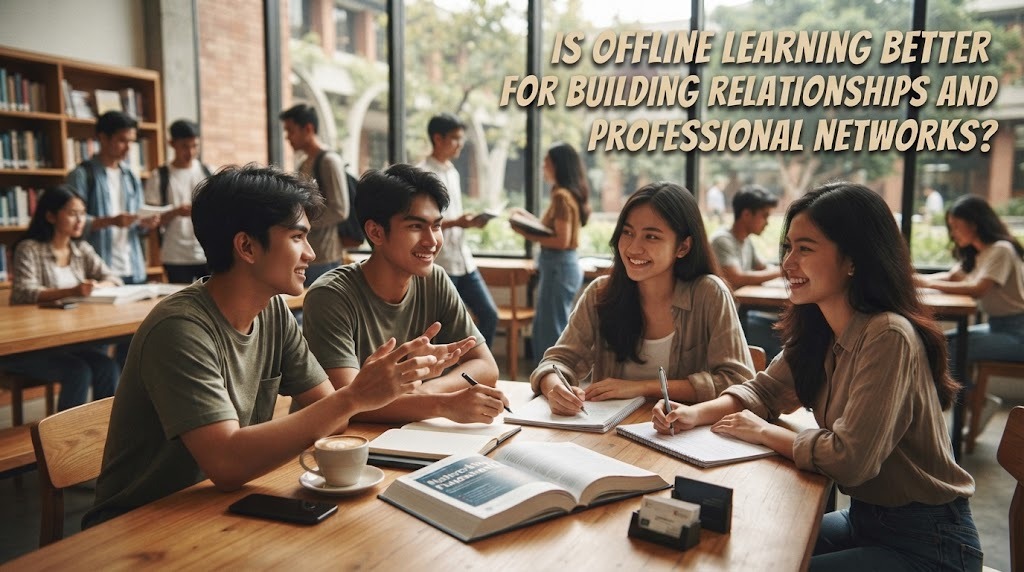
Building strong relationships is an important part of student life and career development. Offline learning gives students opportunities to interact directly with classmates, teachers, lecturers, and other members of an educational community. These face to face interactions can make communication more natural and encourage students to develop meaningful connections. However, online learning can also provide networking opportunities through digital platforms and professional communities.
The main difference is how these connections are created and maintained. Offline environments provide more opportunities for spontaneous conversations, direct collaboration, and regular face to face interaction. Online environments, meanwhile, can connect students with people from different locations. Therefore, the best method depends on the student's goals, communication style, and ability to maintain relationships.
WHY OFFLINE LEARNING SUPPORTS STRONGER RELATIONSHIPS
Offline learning creates regular opportunities for students to meet the same people in a shared physical environment. Students can communicate before and after classes, during breaks, and while working on assignments. These repeated interactions can help people become more familiar and comfortable with one another. Over time, regular contact can develop into stronger personal and academic relationships.
Face to face communication also provides nonverbal information such as facial expressions, gestures, and body language. These signals can make conversations feel more personal and easier to understand. Students may therefore find it easier to build trust when they communicate directly.
CLASSROOM INTERACTION AND SOCIAL CONNECTIONS
Classroom activities often require students to work together. Group discussions, presentations, projects, and classroom exercises can encourage students to communicate with people who have different personalities and perspectives. These activities can help develop teamwork, communication, cooperation, and conflict resolution skills.
Students can also form friendships naturally through daily classroom experiences. Sharing academic challenges and participating in campus activities can create common experiences. These relationships may continue beyond the classroom and become useful personal or professional connections in the future.
HOW OFFLINE LEARNING BUILDS PROFESSIONAL NETWORKS
Professional networking can begin while students are still studying. Teachers, lecturers, classmates, alumni, guest speakers, and industry professionals can become valuable contacts. Face to face events such as seminars, workshops, career fairs, internships, and organizational activities provide opportunities to introduce yourself and start professional conversations.
These interactions can sometimes lead to internship opportunities, career information, mentorship, or job referrals. A student who regularly participates in professional activities may become more visible within their field. Building a network early can make it easier to discover opportunities after graduation.
THE ROLE OF TEACHERS AND LECTURERS
Teachers and lecturers can have an important influence on students' professional networks. In an offline environment, students have more opportunities to ask questions before or after class and discuss academic interests. These conversations can help teachers understand students' abilities and career interests.
Lecturers may also introduce students to professionals, organizations, competitions, internships, or research opportunities. A strong academic relationship can therefore become a valuable part of career development. Students should take advantage of appropriate opportunities to communicate respectfully and demonstrate their interests.
CAN ONLINE LEARNING ALSO BUILD PROFESSIONAL NETWORKS?
Online learning can also provide effective networking opportunities. Students can connect with classmates through discussion forums, video meetings, social media, professional platforms, and online communities. Digital communication makes it possible to interact with people from different cities and countries without traveling.
Online networking can be particularly useful for students interested in international opportunities and digital careers. However, digital connections may require more intentional effort to become meaningful relationships. Students often need to communicate regularly, participate in discussions, and maintain professional connections over time.
THE IMPORTANCE OF COMMUNICATION SKILLS
Strong communication skills are essential for building relationships in both learning environments. Offline learning provides frequent opportunities to practice speaking, listening, presentations, and interpersonal communication. Students can receive immediate reactions from others and adjust the way they communicate.
These skills are also valuable in the workplace. Employers often look for people who can communicate clearly, collaborate with teams, and build professional relationships. Therefore, the social experiences gained through offline learning can contribute to long term career development.
OFFLINE LEARNING IS NOT ALWAYS BETTER
Although offline learning offers many networking benefits, it is not automatically better for every student. Some students may be more confident communicating through digital platforms. Online education can also provide access to communities that would be difficult to reach through a local classroom.
The quality of networking depends on how actively students participate. A student who rarely communicates with classmates or joins activities may build fewer relationships even in an offline environment. Similarly, an active online learner can develop a large and valuable professional network through digital communities.
HOW STUDENTS CAN BUILD STRONGER NETWORKS OFFLINE
Students can strengthen their networks by participating actively in classroom and campus activities. Joining student organizations, attending seminars, volunteering, and taking part in competitions can increase opportunities to meet new people. Students should also learn to introduce themselves confidently and communicate respectfully.
Maintaining relationships is just as important as creating them. Students can stay connected with classmates, lecturers, alumni, and professional contacts after an event or project ends. Using digital platforms to maintain professional connections can combine the advantages of offline interaction with the convenience of online communication.
OFFLINE AND ONLINE LEARNING CAN WORK TOGETHER
The strongest networking strategy may involve both offline and online learning. Face to face interaction can help students create deeper initial connections, while digital platforms make it easier to maintain those relationships. Students can meet someone at a seminar and continue communicating through professional networking platforms afterward.
This combination creates a broader networking strategy. Students can develop personal connections offline and maintain them digitally across different locations. Using both methods allows students to benefit from direct interaction while also gaining access to wider professional communities.
CONCLUSION
Offline learning can provide strong advantages for building relationships and professional networks because it encourages face to face communication, repeated interaction, teamwork, and spontaneous conversations. Students can develop connections with classmates, teachers, lecturers, alumni, and industry professionals through everyday academic and extracurricular activities.
However, online learning should not be considered ineffective for networking. Digital platforms can provide access to wider communities and international connections. The most effective approach is often to combine offline relationships with online networking, allowing students to build meaningful connections and maintain them throughout their academic and professional careers.
About the Author
Gusti Ayu Tita P
Author — STEKOM University
An active author focused on academic issues, educational technology, and human resource development in the campus environment.















