
Karma and the Traces We Leave Behind
Gusti Ayu Tita P
9 September 2026
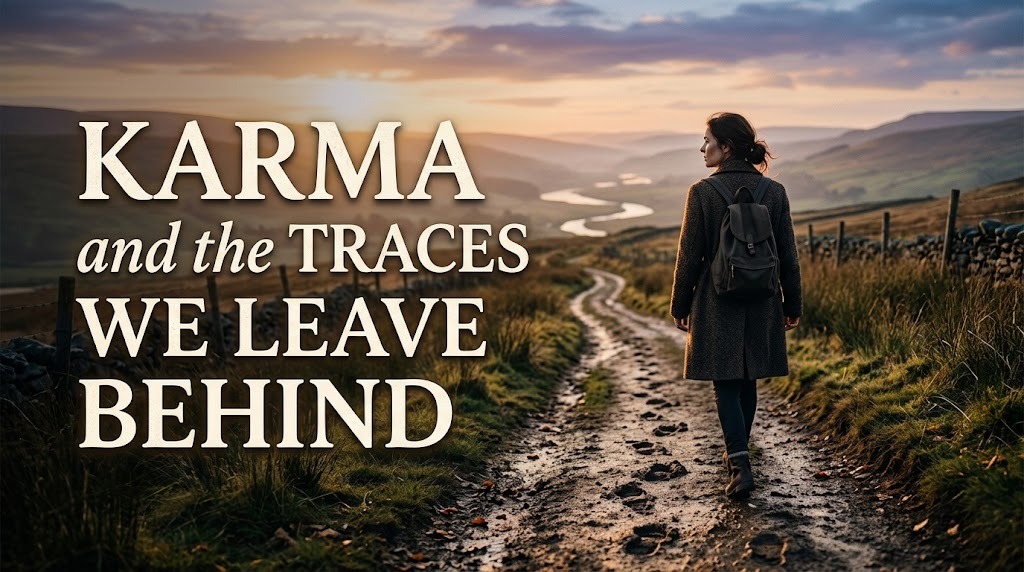
Every action we take can leave a mark on ourselves and the people around us. A simple act of kindness, an honest conversation, or an irresponsible decision may create effects that continue long after the moment has passed. This idea is often connected to karma, which is commonly understood as the relationship between actions and their consequences. Karma encourages people to think carefully about the traces they leave behind through their daily behavior.
In modern life, these traces can appear in many forms. They can be seen through relationships, reputation, habits, memories, and even digital footprints. Understanding this connection does not mean expecting an immediate reward or punishment. Instead, it can encourage people to become more aware of their choices and responsibilities.
UNDERSTANDING KARMA AND HUMAN ACTIONS
Karma has different meanings across religious and philosophical traditions, so it should not be reduced to the simple idea of getting exactly what we deserve. In a broader sense, karma is associated with actions, intentions, and consequences. What people do can influence their future experiences in ways that are sometimes direct and sometimes gradual. This makes karma an important concept for reflecting on personal behavior.
In everyday conversations, karma is often described as a form of return for good or bad actions. However, real life is much more complicated than that. Not every positive action receives an immediate reward, and not every negative action produces an obvious punishment. Karma can therefore be viewed as a reminder of personal responsibility rather than a guaranteed system of instant justice.
EVERY ACTION LEAVES A TRACE
Human actions rarely disappear without any effect. A kind word can improve someone's day, while a hurtful comment can remain in their memory for years. These experiences become part of the traces we leave behind. Even when we forget what we have done, other people may remember how our actions made them feel.
Small actions can also create larger patterns. Repeated honesty can build trust, while repeated dishonesty can weaken relationships. Over time, these patterns influence how people respond to us. This shows that daily behavior can shape our social environment in meaningful ways.
KINDNESS CAN CREATE POSITIVE TRACES
Kindness does not always require a major sacrifice. Helping someone with a simple task, listening carefully, sharing useful information, or showing appreciation can have a positive impact. Such actions may seem small, but they can create meaningful experiences for other people.
Positive actions can also encourage others to behave in similar ways. Someone who receives genuine support may become more willing to support another person later. In this way, kindness can become part of a chain of positive actions that extends beyond the original moment.
NEGATIVE ACTIONS CAN LEAVE LASTING EFFECTS
Negative behavior can also create traces that are difficult to erase. Breaking promises, spreading false information, or treating others unfairly can damage trust and relationships. The consequences may not appear immediately, but repeated negative behavior can gradually affect a person's reputation.
Once trust is damaged, rebuilding it often takes time. A person may need to demonstrate consistent change before others feel comfortable trusting them again. This illustrates how past behavior can influence future opportunities without requiring a dramatic form of punishment.
REPUTATION IS PART OF THE TRACE WE LEAVE
Reputation develops through the experiences people have with us. It is influenced by how consistently we behave, communicate, and handle responsibilities. Someone who is reliable and respectful may gradually build a positive reputation among friends, classmates, or colleagues.
On the other hand, repeated irresponsible behavior can create a negative impression. Reputation can influence cooperation, professional opportunities, and social relationships. This means that our actions today can become part of the image people remember tomorrow.
DIGITAL ACTIONS ALSO LEAVE TRACES
Modern technology has created another important form of personal trace. Social media posts, comments, photos, and other online activities can contribute to a person's digital footprint. Content shared in seconds may remain accessible or influence how others perceive someone long afterward.
Because digital information can spread quickly, people need to think before posting or sharing content. A careless comment can create unnecessary conflict, while responsible communication can strengthen credibility. In this sense, the digital world makes the idea of actions leaving lasting traces even more relevant.
KARMA IS NOT AN EXCUSE TO JUDGE OTHERS
It can be tempting to describe someone's difficulties as karma when we believe they have done something wrong. However, this approach can lead to unfair judgments. People experience challenges for many different reasons, and outsiders rarely know the complete circumstances. Therefore, karma should not be used to justify blaming or judging other people's suffering.
A healthier approach is to use the concept for self-reflection. Instead of asking when another person will receive karma, we can ask what kind of impact our own actions are creating. This shift encourages empathy, responsibility, and personal growth.
LEARNING FROM THE TRACES WE CREATE
Not every action produces the result we expect. Sometimes a person may have good intentions but make a poor decision. Recognizing mistakes allows us to understand their consequences and become more careful in the future. This process can turn difficult experiences into valuable lessons.
Learning from our actions also requires accountability. If our behavior has harmed someone, we can acknowledge the mistake, apologize when appropriate, and make reasonable efforts to improve the situation. Taking responsibility helps us create better patterns of behavior over time.
CHOOSING WHAT WE WANT TO LEAVE BEHIND
Every person has some influence over the traces they create. We can choose to communicate honestly, respect other people, keep our promises, and offer help when possible. These choices may not produce immediate rewards, but they can contribute to stronger relationships and greater trust.
The goal is not to live in fear of karma. Instead, it is to become more conscious of the effects of our actions. When people consistently choose responsible and positive behavior, they have a better chance of leaving behind a meaningful and positive legacy.
CONCLUSION
Karma and the traces we leave behind remind us that our actions can have effects beyond the moment in which they happen. Kindness can strengthen relationships, honesty can build trust, and irresponsible behavior can damage reputation. These consequences may develop slowly, but they can become part of the story people remember about us.
Karma is therefore more useful as a tool for reflection and responsibility than as a reason to wait for someone else to be punished. By considering our intentions, choices, and their possible effects, we can become more thoughtful in everyday life. In the end, the traces we leave behind are shaped by the actions we choose to repeat.
About the Author
Gusti Ayu Tita P
Author — STEKOM University
An active author focused on academic issues, educational technology, and human resource development in the campus environment.















