
Karma as a Reflection of Human Actions
Gusti Ayu Tita P
9 September 2026
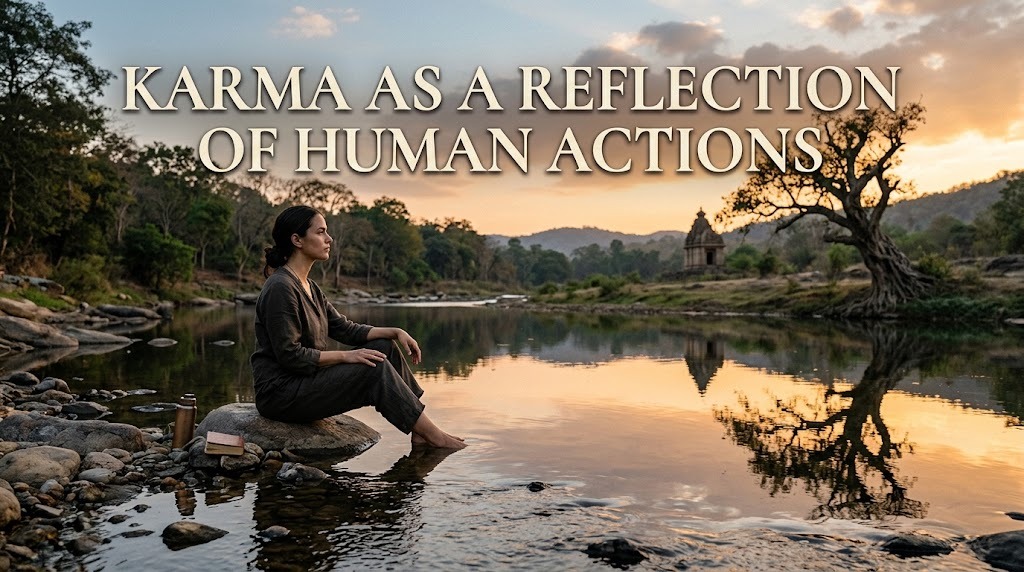
Karma is often connected with the idea that human actions can create consequences. The way people treat others, make decisions, and respond to situations can influence what happens later in life. From this perspective, karma can be seen as a reflection of human actions and intentions. It encourages people to think carefully about the impact of their behavior.
Karma is not simply about receiving an identical reward or punishment. Its meaning can be connected with how actions influence relationships, habits, reputation, and personal development. Some consequences appear quickly, while others develop gradually. Understanding this idea can help people become more responsible for the choices they make.
UNDERSTANDING KARMA AS A REFLECTION
Karma has different meanings across religious and philosophical traditions. In a broad sense, it is associated with actions, intentions, and consequences. The concept encourages people to consider how their behavior may influence their future experiences.
Seeing karma as a reflection does not mean that every event in life is caused by something a person did in the past. Many circumstances are influenced by factors beyond individual control. Instead, karma can provide a useful way to reflect on behavior and personal responsibility.
HUMAN ACTIONS LEAVE TRACES
Every action can leave some kind of trace. A kind gesture may create a positive memory, while disrespectful behavior can damage someone's trust. Even when an action seems small, it can influence how people feel and respond.
Repeated behavior creates stronger effects. Consistent honesty can build trust, while repeated dishonesty can weaken relationships. Over time, these patterns become part of the social and personal consequences of our actions.
INTENTIONS CAN INFLUENCE ACTIONS
Human behavior is often influenced by intention. People may act because they want to help, protect someone, achieve a goal, or gain recognition. Understanding the intention behind an action can provide insight into why people make certain choices.
However, good intentions do not guarantee positive outcomes. Someone may want to help but choose an approach that creates an unexpected problem. This shows that responsible behavior requires both good intentions and thoughtful actions.
KARMA AND DAILY CHOICES
Karma can be connected to the small decisions people make every day. Choosing to keep a promise, tell the truth, help someone, or complete a responsibility can gradually shape personal habits. These choices may seem ordinary, but repeated behavior can create long term patterns.
Negative choices can work in the same way. Frequently avoiding responsibilities or treating others poorly may eventually affect relationships and opportunities. This demonstrates how daily actions can influence the direction of life.
ACTIONS REFLECT IN RELATIONSHIPS
Relationships provide one of the clearest examples of how actions can have consequences. Respectful communication, honesty, and reliability can help create trust and stronger connections. People are generally more comfortable cooperating with someone they consider dependable.
The opposite can also occur. Repeated dishonesty, broken promises, or disrespect may cause people to become distant. The resulting loss of trust can be understood as a natural consequence of repeated behavior.
REPUTATION SHOWS OUR BEHAVIOR
A person's reputation develops through repeated interactions. Friends, classmates, coworkers, and other people form impressions based on their experiences. Someone who consistently behaves responsibly may develop a positive reputation.
A negative reputation can also develop through repeated harmful actions. Once people lose confidence in someone's reliability, rebuilding that trust can take considerable time. This demonstrates how past behavior can influence future opportunities.
SMALL KINDNESS CAN CREATE POSITIVE EFFECTS
Kindness is one of the simplest ways human actions can create positive traces. Helping someone, offering encouragement, or listening carefully can make another person feel supported. These small actions can create meaningful positive experiences.
Kindness may also influence people indirectly. Someone who receives support may later decide to help another person. In this way, one action can become part of a chain of positive behavior without the original person ever knowing.
NEGATIVE ACTIONS CAN BECOME LESSONS
Not every consequence has to be viewed only as punishment. Difficult results can sometimes reveal important lessons about behavior. A mistake may show a person that a certain decision or habit needs to change.
Learning from consequences requires self-awareness and accountability. People can acknowledge mistakes, apologize when appropriate, and take steps to avoid repeating the same behavior. This process can turn negative experiences into opportunities for personal growth.
KARMA IS NOT A REASON FOR REVENGE
When someone treats us badly, it may be tempting to believe that karma should punish them. However, waiting for another person's suffering can create anger and prevent emotional progress. Karma should not become an excuse for revenge or harmful behavior.
A healthier approach is to focus on personal choices. People can set boundaries, protect themselves, and move away from harmful situations without trying to hurt someone in return. This allows karma to remain a concept of reflection rather than retaliation.
KARMA IN THE DIGITAL WORLD
Human actions now extend into online spaces. Social media posts, comments, messages, and shared content can become part of a person's digital footprint. An online action made in seconds can sometimes influence reputation for much longer.
This makes responsible digital behavior increasingly important. Thinking before posting, checking information, and communicating respectfully can reduce unnecessary consequences. Positive online actions can also help build trust and credibility.
USING KARMA FOR SELF REFLECTION
The most useful way to approach karma may be through self-reflection. Instead of asking what another person deserves, people can examine the effects of their own behavior. Questions about honesty, responsibility, kindness, and respect can encourage greater self-awareness.
Reflection also makes personal improvement possible. People can identify behaviors that create problems and replace them with healthier choices. Over time, this process can help create better habits and stronger character.
CONCLUSION
Karma as a reflection of human actions reminds us that our choices can influence relationships, habits, reputation, and personal development. The consequences of behavior do not always appear immediately or in the exact form people expect. However, repeated actions can create patterns that shape future experiences.
Karma should not be used to judge others or justify revenge. Instead, it can serve as a reminder to act with awareness, responsibility, and good intentions. By reflecting on our actions and learning from their consequences, we can create more positive patterns and leave better traces in the lives of others.
About the Author
Gusti Ayu Tita P
Author — STEKOM University
An active author focused on academic issues, educational technology, and human resource development in the campus environment.















