
Karma Hidden in Everyday Choices
Gusti Ayu Tita P
9 September 2026
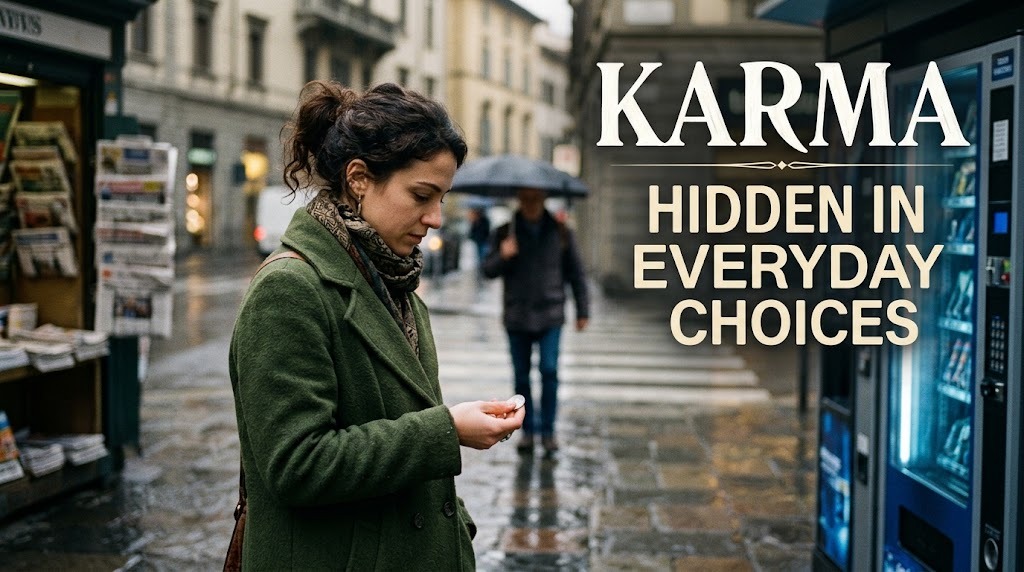
Every day, people make countless choices without always thinking about their long term effects. Choosing to be honest, helping someone, keeping a promise, or ignoring a responsibility may seem like small decisions. However, these actions can gradually influence relationships, habits, reputation, and future opportunities. This is one reason why karma is often connected with the choices people make in everyday life.
Karma is commonly understood as a connection between actions and consequences. It does not necessarily mean that every action receives an identical reward or punishment. Instead, it can encourage people to understand that their choices may create effects that appear immediately or develop over time.
EVERYDAY CHOICES CAN SHAPE OUR LIVES
Small decisions can have a surprisingly strong influence when they are repeated. Choosing to manage time properly, complete responsibilities, and communicate honestly can gradually create positive habits. These habits can make everyday life more organized and help people respond better to challenges.
On the other hand, repeatedly choosing to delay responsibilities or ignore important problems can create negative patterns. What begins as a small decision may eventually become a habit that is difficult to change. This shows why everyday choices matter, even when their effects are not immediately visible.
KARMA IS NOT ALWAYS AN IMMEDIATE REWARD
Many people think karma means that good actions will quickly receive good rewards. In reality, the consequences of an action may take time to appear. A person who consistently treats others with respect may gradually build trust and strong relationships rather than receive an immediate reward.
Negative actions can work in a similar way. Someone who repeatedly behaves dishonestly may not face an obvious consequence at once. Over time, however, people may become less willing to trust that person. This demonstrates how consequences can develop gradually.
KINDNESS BEGINS WITH SIMPLE CHOICES
Kindness does not always require a major sacrifice. Listening to someone, offering useful help, sharing information, or giving encouragement can be meaningful forms of everyday kindness. These actions may take only a few minutes but can have a positive effect on another person's experience.
A kind action can also influence the behavior of others. Someone who receives genuine support may become more willing to help another person later. In this way, a simple choice can contribute to a positive chain of actions.
HONESTY BUILDS TRUST
Honesty is another everyday choice that can shape relationships. Telling the truth, admitting mistakes, and keeping promises can gradually build personal trust. Trust is rarely created through one action; it usually develops through consistent behavior.
Dishonesty can have the opposite effect. Even a small lie can become a problem if it is repeated or discovered later. Once trust is damaged, rebuilding it may require time and consistent effort, showing how past choices can influence future relationships.
RESPONSIBILITY CREATES POSITIVE PATTERNS
Taking responsibility is an important part of making good everyday choices. Completing tasks, respecting agreements, and accepting the results of our decisions can strengthen self-discipline and reliability. These qualities can become valuable in education, work, and personal relationships.
Avoiding responsibility may create temporary comfort, but the problems often remain. Unfinished tasks can accumulate, while unresolved issues can become more complicated. Choosing responsibility today can therefore help prevent larger problems in the future.
WORDS ARE ALSO EVERYDAY ACTIONS
People sometimes focus on physical actions and forget that words can have consequences. A supportive message can encourage someone, while an insensitive comment can cause emotional harm. Because of this, communication is also a form of action.
This is especially important in digital spaces. Online comments and posts can reach many people and may remain accessible for a long time. Thinking before speaking or posting can help reduce unnecessary conflict and create a more respectful environment.
DIGITAL CHOICES LEAVE LONG LASTING TRACES
Modern life has added another dimension to everyday choices through technology. Social media activity, online comments, shared photos, and messages can become part of a person's digital footprint. A decision made in seconds can influence someone's reputation long after it was made.
Responsible digital behavior therefore matters. Checking information before sharing it, respecting privacy, and avoiding harmful comments are examples of thoughtful choices. These actions can help protect both personal reputation and online relationships.
KARMA SHOULD NOT BE USED TO JUDGE OTHERS
The concept of karma is sometimes used to explain why another person experiences difficulties. However, it is impossible to know all the factors that influence someone's life. Calling another person's suffering karma can lead to unfair assumptions and reduce empathy.
A better approach is to use karma for personal reflection. Instead of asking when someone else will receive a consequence, we can ask whether our own choices are creating positive or negative effects. This perspective encourages self-awareness and responsibility.
LEARNING FROM EVERYDAY MISTAKES
Everyone makes poor choices from time to time. A mistake does not have to define a person's entire life if it becomes an opportunity for learning and improvement. Recognizing the consequences of an action can help someone make better decisions later.
Taking responsibility is an important part of this process. A person can apologize when necessary, correct what can be corrected, and change harmful habits. In this way, an uncomfortable experience can become a valuable lesson for future choices.
CHOOSING POSITIVE ACTIONS EVERY DAY
Building a positive life does not always require dramatic changes. It can begin with simple choices such as being honest, respecting others, keeping promises, and helping when possible. When these actions are repeated, they can create healthy patterns of behavior.
The goal should not be to perform good actions only because we expect a reward. Positive choices are more meaningful when they reflect our values and the kind of person we want to become. By making thoughtful decisions every day, we can gradually create better consequences for ourselves and others.
CONCLUSION
Karma hidden in everyday choices reminds us that even ordinary decisions can influence the direction of our lives. Small actions can shape habits, relationships, trust, reputation, and future opportunities. Their effects may not always appear immediately, but repeated choices can create meaningful patterns over time.
Karma should not be viewed simply as a system of instant rewards and punishments. It can instead serve as a reminder to act responsibly and think about consequences. By choosing honesty, kindness, responsibility, and respect in everyday situations, we can create positive traces that influence both our lives and the people around us.
About the Author
Gusti Ayu Tita P
Author — STEKOM University
An active author focused on academic issues, educational technology, and human resource development in the campus environment.















