
Key Benefits of Choosing Public Transit Every Day
Gusti Ayu Tita P
11 Agustus 2026
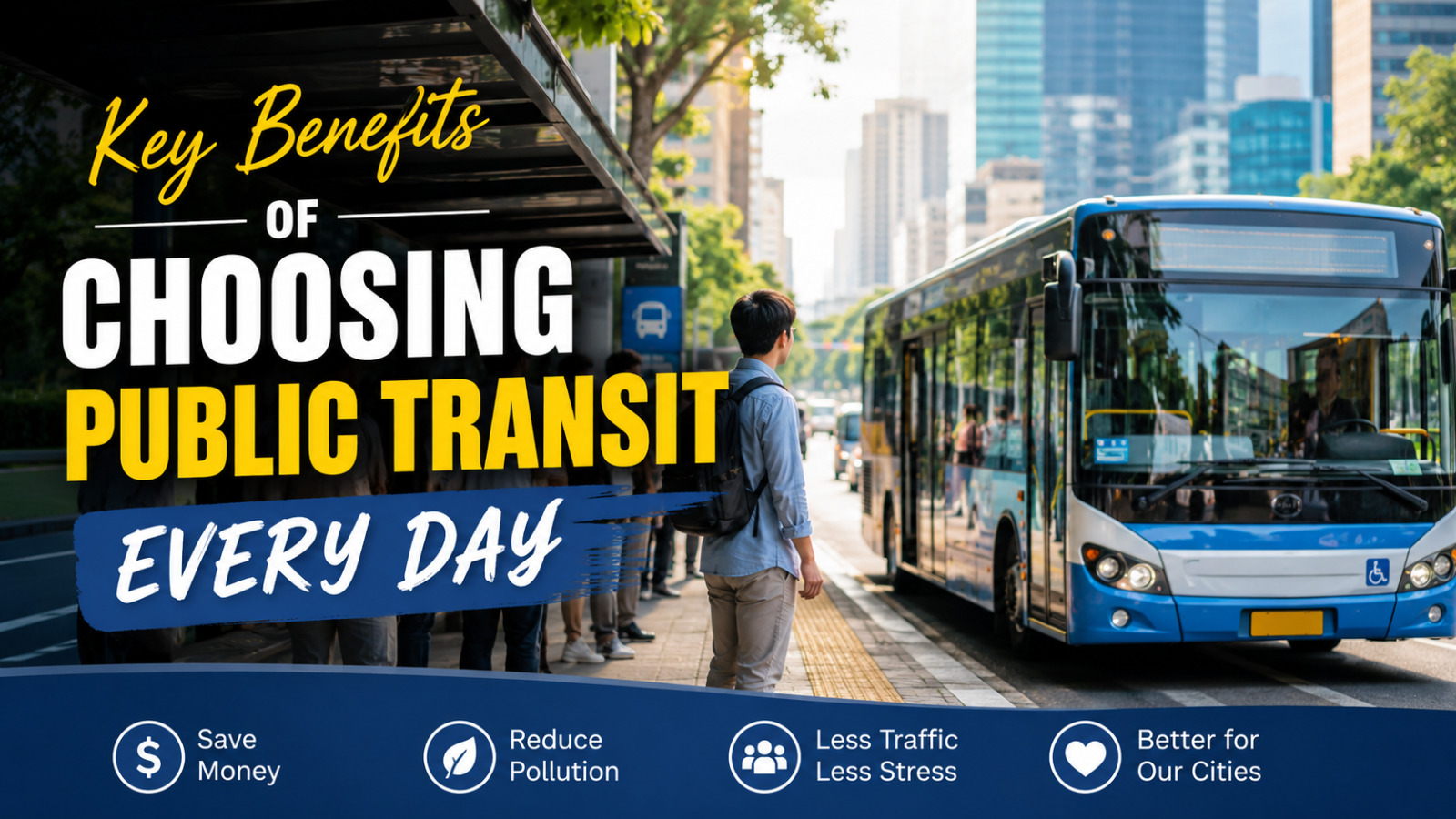
Public transportation is an important part of modern urban life. Many people use buses, trains, subways, and other forms of public transit to travel to work, school, shopping areas, and other destinations. Choosing public transit every day can provide practical benefits for individuals while also supporting the wider community. It can help people save money, reduce traffic, and lower environmental impacts. With better services and wider coverage, public transportation can become an increasingly attractive choice for daily travel.
SAVES DAILY TRANSPORTATION COSTS
One of the biggest benefits of choosing public transit every day is the opportunity to reduce transportation expenses. Owning and maintaining a private vehicle can require significant spending on fuel, parking, insurance, maintenance, and repairs. Public transportation usually allows passengers to pay a fixed fare or use affordable travel passes. This can make daily commuting more manageable, especially for students, workers, and people who travel frequently.
Using public transit can also help people avoid unexpected vehicle-related expenses. Regular public transportation users do not have to pay for fuel every time they travel, and they may not need to worry about parking fees in busy areas. Over time, these savings can be used for other important needs. Therefore, public transit can be a practical option for people who want to manage their daily budgets more efficiently.
REDUCES TRAFFIC CONGESTION
Daily use of public transportation can help reduce the number of private vehicles on busy roads. A single bus or train can carry many passengers at the same time, replacing numerous individual car or motorcycle trips. When more people choose public transit, roads can become less crowded, particularly during peak travel hours. This can contribute to smoother traffic movement in densely populated areas.
Reduced congestion can also improve the overall commuting experience. People may spend less time stuck in traffic and have more predictable travel schedules when public transit services operate efficiently. Less traffic can also benefit emergency vehicles, delivery services, and other essential road users. For growing cities, encouraging public transit use is an important part of managing increasing transportation demand.
SUPPORTS A CLEANER ENVIRONMENT
Public transit can contribute to more sustainable urban mobility by reducing dependence on individual vehicles. Buses and trains can transport many passengers in a single journey, which can lower emissions per passenger compared with multiple separate private vehicle trips. The environmental benefits can become greater when public transportation systems use cleaner technologies, such as electric buses and electric trains. This makes public transit an important option for cities working to improve air quality and reduce transportation-related emissions.
Choosing public transportation regularly can also encourage a more environmentally responsible travel culture. Small changes in daily transportation habits can create broader environmental benefits when adopted by many people. Fewer private vehicle trips can reduce fuel consumption and help cities manage air pollution more effectively. Public transit is therefore not only a transportation service but also a potential part of long-term sustainability efforts.
PROVIDES GREATER ACCESS TO THE CITY
Public transportation can make different parts of a city more accessible to a wider range of people. Not everyone can afford to own a private vehicle, and some people may not be able to drive because of age, physical limitations, or other circumstances. Affordable buses, trains, and other transit services can connect residents with schools, workplaces, healthcare facilities, shopping centers, and public services. This makes transportation an important factor in creating more inclusive cities.
A well-connected transit network can also provide greater independence for people who do not drive. Reliable routes and convenient schedules allow passengers to plan their daily activities more easily. When public transit reaches residential areas and important destinations, people can access more opportunities without depending entirely on family members or private vehicles. Better access can improve mobility and participation in everyday urban life.
MAKES DAILY TRAVEL MORE CONVENIENT
Public transit can offer convenience by allowing passengers to travel without having to focus on driving. During a bus or train journey, passengers can read, listen to music, check their schedules, or simply rest. This can make commuting less stressful than dealing with heavy traffic behind the wheel. However, the level of convenience depends on factors such as service frequency, route coverage, cleanliness, safety, and punctuality.
Modern transit systems are increasingly using digital technology to improve passenger convenience. Mobile applications can provide route information, service updates, digital payments, and estimated arrival times. Real-time information can help passengers make better travel decisions when delays or service changes occur. These improvements can make public transportation more practical for people who use it regularly.
SUPPORTS HEALTHIER AND MORE ACTIVE LIFESTYLES
Choosing public transit can encourage people to include more physical activity in their daily routines. Passengers often need to walk to and from stations, bus stops, or transit connections, which can add movement to an otherwise sedentary day. Although the amount of activity varies between individuals, regular walking can be a useful part of an active lifestyle. Public transit can therefore support healthier travel habits without requiring people to schedule additional exercise.
Public transportation can also reduce the physical and mental demands associated with driving in congested areas. Avoiding the need to constantly control a vehicle in heavy traffic can make some journeys feel less stressful. A comfortable and safe transit environment can further improve the commuting experience. For these reasons, public transit can provide benefits that extend beyond simply getting from one location to another.
CONCLUSION
Choosing public transit every day can provide financial, environmental, social, and practical benefits. It can help people reduce transportation costs, avoid some of the stress associated with driving, and gain easier access to important destinations. At the city level, greater public transit use can help reduce traffic congestion and support more sustainable mobility. The effectiveness of public transportation depends on reliable services, affordable fares, good safety standards, and convenient connections. When these elements are available, public transit can become a smart and valuable choice for everyday travel.
About the Author
Gusti Ayu Tita P
Author — STEKOM University
An active author focused on academic issues, educational technology, and human resource development in the campus environment.















