Learning Motivation for Young Generations in the Mindset of Technological Advances
Gusti Ayu Tita P
24 Juli 2026
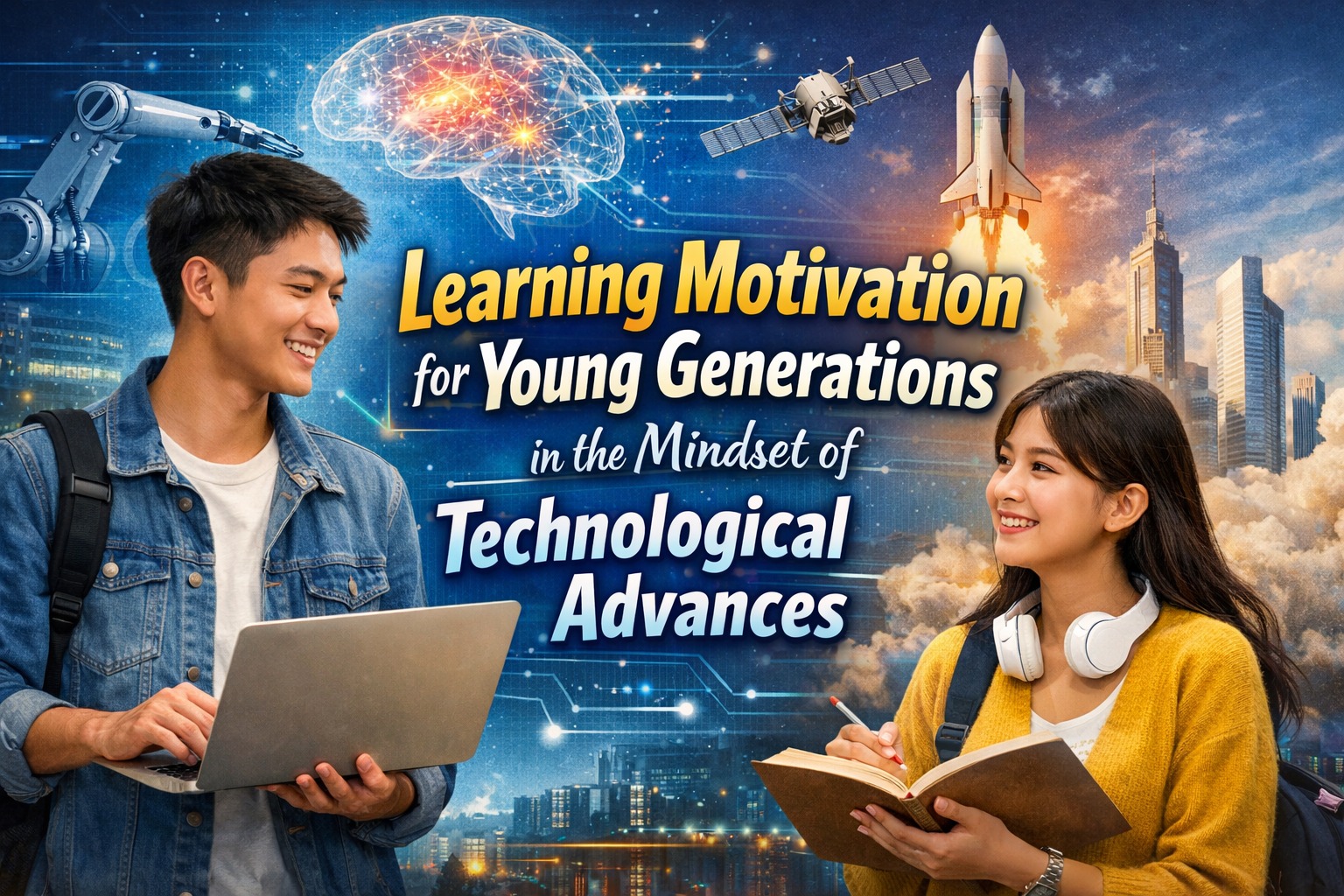
Learning motivation has become one of the most important factors in helping young generations succeed in the modern world. As technology advances rapidly, students have access to unlimited information, online courses, digital libraries, and educational applications that were unimaginable just a few decades ago. While these opportunities make learning easier, they also create distractions that can reduce concentration and enthusiasm. Therefore, developing strong motivation is essential for achieving academic and personal success.
Today's young people grow up surrounded by smartphones, artificial intelligence, social media, and digital communication. These technological developments can either become valuable learning tools or sources of distraction, depending on how they are used. By building the right mindset, young generations can transform technology into a powerful partner for continuous learning and self-improvement.
THE IMPORTANCE OF LEARNING MOTIVATION IN THE DIGITAL ERA
Learning motivation encourages individuals to remain curious, disciplined, and committed to achieving their educational goals. Motivated learners are more likely to overcome challenges, seek new knowledge, and continuously improve their skills. They understand that education is not only about obtaining good grades but also about preparing for future careers and life experiences.
In today's digital era, learning no longer takes place only inside classrooms. Students can access educational videos, virtual classrooms, online certifications, and interactive learning platforms anytime and anywhere. This flexibility provides enormous opportunities, but only those with strong motivation will consistently take advantage of these resources to improve themselves.
HOW TECHNOLOGICAL ADVANCES SHAPE LEARNING MINDSETS?
Modern technology has significantly changed how young people think, communicate, and absorb information. Digital platforms provide instant access to educational materials, allowing students to explore topics beyond school textbooks. Interactive learning experiences also increase engagement through videos, animations, simulations, and quizzes that make education more enjoyable.
However, technology also requires users to develop critical thinking and responsible digital habits. Since information is widely available, learners must evaluate sources carefully and distinguish reliable information from misinformation. A positive mindset toward technology means using it as a tool for growth rather than relying on it for instant answers without understanding the learning process.
FACTORS THAT INFLUENCE LEARNING MOTIVATION
Several factors contribute to maintaining strong learning motivation among young generations. Internal factors include curiosity, self-confidence, clear goals, and a desire for personal achievement. Students who believe in their abilities are generally more willing to face challenges and continue learning despite difficulties.
External factors are equally important. Supportive parents, inspiring teachers, encouraging friends, and a positive learning environment all strengthen motivation. In addition, modern educational technologies, personalized learning platforms, and constructive feedback help students remain engaged and focused on achieving their objectives.
CHALLENGES OF LEARNING IN THE AGE OF TECHNOLOGY
Although technology provides many educational benefits, it also introduces significant challenges. Social media notifications, online entertainment, and digital games often compete for students' attention. Excessive screen time may reduce concentration and make it difficult to maintain consistent study habits.
Another challenge is the abundance of information available online. Without proper guidance, students may become overwhelmed or struggle to identify trustworthy sources. Developing digital literacy, effective time management, and self-discipline is essential for maximizing the educational advantages of technology while minimizing its negative effects.
STRATEGIES TO IMPROVE LEARNING MOTIVATION
Young generations can strengthen their learning motivation by setting realistic goals and creating structured study plans. Breaking large tasks into smaller milestones makes learning feel more achievable and helps maintain enthusiasm. Celebrating small accomplishments also increases confidence and encourages continuous improvement.
Using technology wisely is another effective strategy. Educational applications, online discussion forums, digital flashcards, and virtual study groups can make learning more interactive and enjoyable. Combining digital resources with traditional reading, note-taking, and practical experiences creates a balanced learning approach that supports long-term success.
THE ROLE OF PARENTS, TEACHERS, AND SOCIETY
Parents play an essential role in encouraging positive learning habits by providing emotional support and creating a comfortable study environment. Rather than focusing only on academic results, they should also appreciate effort, perseverance, and continuous improvement. Positive reinforcement helps children develop confidence and intrinsic motivation.
Teachers contribute by designing engaging lessons that integrate technology effectively without replacing meaningful interaction. Meanwhile, society can support lifelong learning by providing accessible educational opportunities, public libraries, digital literacy programs, and affordable internet access. Collaboration among families, schools, and communities creates a strong foundation for motivated learners.
CONCLUSION
The rapid growth of technology has transformed education and created countless opportunities for young generations to learn more effectively than ever before. However, technological progress alone cannot guarantee success without strong learning motivation, discipline, and a positive mindset. Young people who use technology responsibly while maintaining curiosity and perseverance will be better prepared to face future academic and professional challenges.
Developing learning motivation is a continuous process supported by families, educators, communities, and the learners themselves. By embracing innovation while maintaining focus on personal growth, young generations can turn technological advances into valuable tools for lifelong learning and meaningful achievement.
About the Author
Gusti Ayu Tita P
Author — STEKOM University
An active author focused on academic issues, educational technology, and human resource development in the campus environment.