Learning Self Acceptance Amid Constant Social Pressure
Gusti Ayu Tita P
8 September 2026
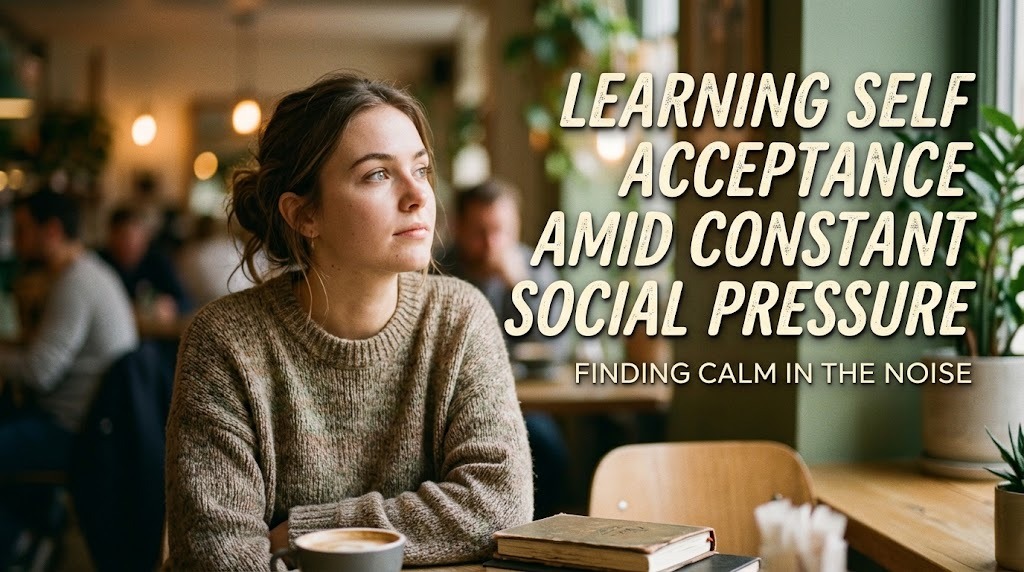
Self acceptance is the ability to recognize and respect yourself as you are while still allowing room for growth. In everyday life, people are often exposed to expectations about appearance, education, career, relationships, lifestyle, and achievement. These expectations can make individuals feel that they need to change themselves to gain approval. Constant social pressure can make self acceptance difficult when external opinions become more important than personal values.
Learning to accept yourself does not mean refusing to improve. It means understanding that personal worth does not depend entirely on achievements, appearance, popularity, or other people's opinions. Everyone has strengths, weaknesses, experiences, and limitations. Self acceptance creates a healthier foundation for personal growth because improvement comes from understanding yourself rather than constantly rejecting yourself.
UNDERSTAND HOW SOCIAL PRESSURE AFFECTS SELF ACCEPTANCE
Social pressure can influence how people evaluate themselves. Repeated criticism, comparison, or unrealistic expectations may cause someone to believe that they are not good enough. When external standards become the main measure of self worth, accepting personal differences becomes more difficult.
This influence may come from family, friends, classmates, coworkers, or online communities. Sometimes pressure is expressed directly, while other times it appears through subtle comparisons and expectations. Recognizing these influences can help people understand why they feel dissatisfied with themselves. Awareness is the first step toward separating personal identity from social expectations.
STOP MEASURING YOURSELF THROUGH OTHER PEOPLE
Comparing yourself with others can make self acceptance difficult. People may compare their appearance, education, career, relationships, income, or achievements with those around them. The comparison often ignores differences in circumstances, opportunities, resources, and personal priorities.
Instead of asking whether you are better or worse than someone else, consider your own progress. Think about what you have learned, what challenges you have overcome, and what skills you have developed. Personal growth becomes easier to recognize when it is measured against your previous experiences. Your journey does not lose its value because someone else is at a different stage.
RECOGNIZE UNREALISTIC SOCIAL STANDARDS
Society can create strong ideas about what a successful or attractive person should look like. These standards may involve physical appearance, career status, financial achievements, relationships, or lifestyle. Not every social standard is realistic or suitable for every individual.
It is useful to question whether a particular expectation actually supports your well-being. Consider where the standard comes from and whether it reflects your personal values. Some expectations may be helpful, while others may simply encourage conformity. Critical thinking allows you to choose which standards deserve your attention.
USE SOCIAL MEDIA MORE CONSCIOUSLY
Social media can make social pressure feel constant. Users are frequently exposed to carefully selected images of success, beauty, relationships, travel, and lifestyle. Seeing idealized content repeatedly can create the false impression that other people are living perfect lives.
Remember that online content usually represents selected moments rather than complete experiences. If certain accounts repeatedly make you feel inadequate, consider muting or unfollowing them. Spending less time comparing yourself online can create more space for realistic self evaluation. Social media should be a tool for connection and information, not a constant measurement of personal worth.
ACCEPT YOUR STRENGTHS AND LIMITATIONS
Self acceptance involves recognizing both strengths and weaknesses. Some people focus so heavily on their limitations that they overlook abilities they already possess. A realistic self image includes positive qualities as well as areas that still need development.
Make time to identify skills, experiences, and characteristics that you value in yourself. At the same time, acknowledge areas where improvement is needed without turning them into reasons for self rejection. This balanced perspective can make personal development more constructive. You can accept yourself today while still working toward becoming better tomorrow.
LEARN TO HANDLE CRITICISM
Criticism can influence self perception, especially when it comes from people whose opinions matter. However, not every criticism is accurate or useful. Constructive feedback focuses on behavior or specific areas for improvement, while harmful criticism may attack a person's character or create shame.
When receiving criticism, consider its source, intention, and relevance. If the feedback is useful, treat it as information that can support improvement. If it is unfair or unnecessarily hurtful, you do not have to accept it as a definition of who you are. Learning to filter criticism protects self acceptance while keeping room for meaningful improvement.
SET HEALTHY PERSONAL BOUNDARIES
Boundaries can protect self acceptance from excessive social demands. People may have opinions about your choices, appearance, relationships, education, or career. You can listen to those opinions without giving them complete control over your decisions.
Communicate personal limits clearly and respectfully. If someone repeatedly pressures you to change something that is not their responsibility, remind them that the decision belongs to you. Healthy boundaries may take time for others to understand. Protecting your personal limits is an important part of respecting yourself.
LEARN TO SAY NO WITHOUT FEELING GUILTY
The fear of disappointing others can make people ignore their own needs. They may agree to activities, requests, or decisions simply to avoid criticism or rejection. Saying no can be a healthy expression of self respect when a request conflicts with your limits or priorities.
A refusal does not need to be rude. You can communicate your decision calmly and explain your position when appropriate. Other people may still feel disappointed, but their reaction does not automatically mean that your decision is wrong. You are responsible for communicating respectfully, not for satisfying every expectation.
DEFINE SUCCESS FOR YOURSELF
Social pressure often becomes stronger when success is defined by external standards. People may believe they need a certain career, income, appearance, relationship, or lifestyle to be considered successful. A personal definition of success can reduce the pressure to follow a path that does not feel meaningful.
Think about what you genuinely value. Success might involve professional achievement, financial stability, meaningful relationships, creativity, learning, independence, or personal growth. Different priorities can lead to different definitions of a fulfilling life. Your definition of success should reflect your values rather than simply copying someone else's goals.
PRACTICE SELF COMPASSION
Self compassion means treating yourself with understanding when facing mistakes, difficulties, or personal limitations. People often speak to themselves more harshly than they would speak to a friend. Constant self criticism can make social pressure even more damaging.
When something goes wrong, focus on what can be learned rather than attacking your personal worth. Remind yourself that making mistakes is part of being human. A difficult experience does not define your entire identity. Kindness toward yourself can make it easier to recover, learn, and continue growing.
SURROUND YOURSELF WITH SUPPORTIVE PEOPLE
The people around you can strongly influence your ability to accept yourself. Supportive relationships provide encouragement while respecting differences and personal boundaries. Healthy people do not require you to become someone else just to earn their acceptance.
Pay attention to how relationships affect your confidence. If someone repeatedly uses humiliation, comparison, manipulation, or excessive criticism, their influence may be unhealthy. Spending more time with people who respect your individuality can create a safer environment for personal growth. A supportive social environment can strengthen self acceptance over time.
FOCUS ON PERSONAL PROGRESS
Self acceptance becomes easier when attention shifts from perfection to progress. Nobody develops every skill at the same speed, and personal growth is rarely completely linear. Small improvements can be meaningful even when they are not visible to other people.
Set realistic goals that match your current circumstances. Celebrate improvements while recognizing that setbacks may happen. This approach allows you to pursue development without treating every mistake as evidence of failure. Progress is more sustainable when it comes from self respect rather than constant dissatisfaction.
ACCEPT THAT NOT EVERYONE WILL UNDERSTAND YOU
One difficult part of self acceptance is accepting that not everyone will agree with your choices. Different people have different values, experiences, and expectations. Trying to gain universal approval can prevent you from living according to your genuine priorities.
You can respect another person's perspective without adopting it. If a decision has been carefully considered and fits your values and circumstances, disagreement does not automatically make it wrong. Learning to tolerate differences can strengthen emotional independence. Self acceptance becomes stronger when external approval is no longer required for every decision.
ASK FOR SUPPORT WHEN NEEDED
Social pressure can sometimes become difficult to manage alone. Talking with a trusted friend, family member, teacher, mentor, or counselor can provide another perspective. Seeking support is a practical step when pressure begins to affect confidence, relationships, concentration, or daily activities.
A supportive person can help identify patterns that may be difficult to recognize independently. They can also encourage healthier ways of responding to criticism and expectations. If the pressure becomes overwhelming, professional support may be appropriate. Asking for help does not reduce your independence; it can help you build stronger coping skills.
CONCLUSION
Learning self acceptance amid constant social pressure requires understanding that personal worth cannot be measured entirely through other people's expectations. Comparison, social media, criticism, unrealistic standards, and fear of rejection can make individuals doubt themselves. Recognizing these influences makes it easier to separate genuine personal goals from pressure to conform.
Self acceptance grows through self awareness, self compassion, healthy boundaries, supportive relationships, and realistic personal goals. You do not need to satisfy every social demand to deserve respect or feel valuable. Accepting yourself does not mean stopping personal growth; it means creating a healthier starting point for meaningful growth.
About the Author
Gusti Ayu Tita P
Author — STEKOM University
An active author focused on academic issues, educational technology, and human resource development in the campus environment.