
LRT as a Solution to Reduce Traffic
Gusti Ayu Tita P
11 Agustus 2026
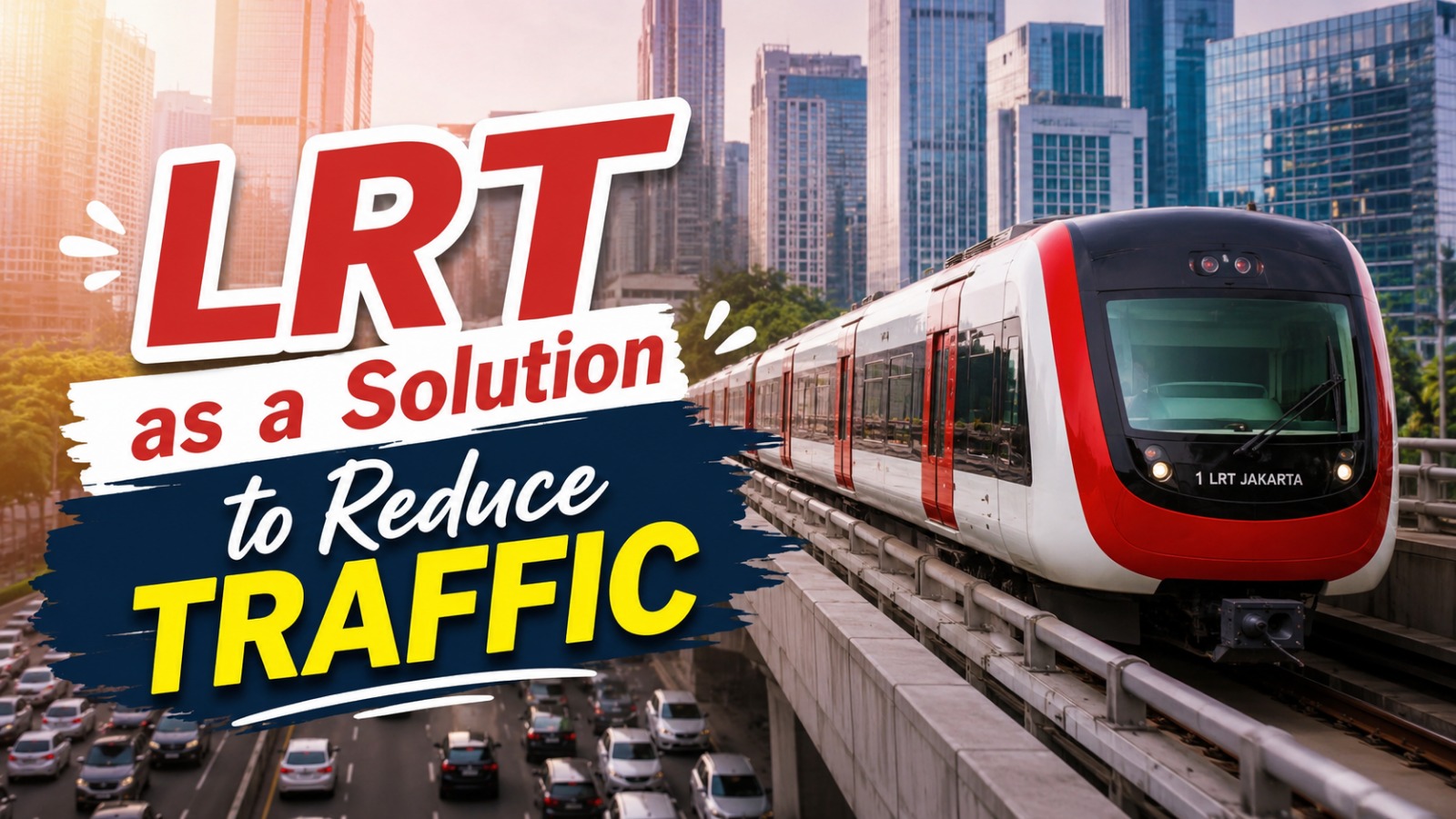
Traffic congestion is a common problem in many growing cities, including major urban areas in Indonesia. The increasing number of private vehicles can put pressure on road capacity and make daily travel slower. Light Rail Transit (LRT) offers an alternative by moving large numbers of passengers through dedicated rail infrastructure. With proper planning and integration, LRT can support efforts to reduce traffic congestion and improve urban mobility.
THE ROLE OF LRT IN REDUCING TRAFFIC
LRT can help reduce traffic by encouraging people to switch from private vehicles to public transportation. A single train can carry many passengers on one trip, reducing the need for every traveler to use a separate car or motorcycle. Because LRT operates on dedicated tracks, its service is generally less affected by road congestion. This makes it a useful transportation option for people who travel regularly through busy urban areas.
The impact of LRT can become greater when more residents choose it for their daily journeys. Fewer private vehicles on major roads can help reduce pressure on road infrastructure, particularly during peak hours. LRT also provides passengers with a more predictable travel experience compared with road-based transportation affected by traffic conditions. Therefore, LRT can become an important component of a broader strategy to manage urban congestion.
ADVANTAGES OF LRT FOR URBAN MOBILITY
One of the main advantages of LRT is its ability to transport many passengers efficiently. Unlike individual vehicles, which require considerable road space for each passenger or small group, trains can move large numbers of people at once. This makes rail-based public transportation suitable for densely populated areas with high travel demand. Regular services can also help passengers plan their daily activities more effectively.
LRT can also provide a comfortable alternative to driving. Passengers do not need to focus on traffic while traveling, allowing them to use their journey time for other activities. Modern stations and trains can provide facilities that improve passenger comfort and accessibility. These advantages can make public transportation more attractive and encourage a gradual shift away from private vehicle use.
LRT AND PUBLIC TRANSPORTATION INTEGRATION
LRT cannot solve traffic congestion alone. Its effectiveness depends heavily on integration with other transportation modes, including buses, commuter trains, MRT services, and feeder transportation. Convenient connections allow passengers to reach LRT stations without having to drive private vehicles for the entire journey. A well-integrated network can make public transportation a more practical option for everyday travel.
Integration should also include clear route information, convenient transfers, coordinated services, and accessible stations. Walking paths and feeder services are especially important for passengers who live or work far from LRT stations. When transfers are easy and reliable, passengers are less likely to depend on private vehicles. This creates a transportation network that can serve more people across different areas.
BENEFITS OF LRT FOR THE ENVIRONMENT
LRT can contribute to more sustainable urban transportation by supporting a shift from private vehicles to mass transit. When fewer cars and motorcycles are used for daily trips, fuel consumption and transportation-related emissions can potentially decrease. Rail-based public transportation can therefore support efforts to improve urban environmental conditions. However, the overall environmental benefit depends on factors such as electricity sources, passenger numbers, and operational efficiency.
In addition to environmental benefits, LRT can improve the use of urban space. Moving more people through public transportation can reduce the demand for road space and parking compared with widespread private vehicle use. This can support cities in developing areas that are less dependent on cars. As a result, LRT can contribute to both transportation efficiency and more sustainable urban development.
CHALLENGES IN USING LRT TO REDUCE TRAFFIC
Although LRT has significant potential, several challenges need to be addressed. Building rail infrastructure requires substantial investment, careful planning, and long-term maintenance. LRT stations must also be located in areas with sufficient travel demand to make the service useful for residents. If stations are difficult to reach, people may continue using private vehicles even when an LRT service is available.
Another challenge is changing people's transportation habits. Many residents choose private vehicles because they offer direct and flexible travel from one location to another. LRT can become more attractive when it offers reliable schedules, reasonable fares, comfortable facilities, safety, and convenient connections. Government policies that support public transportation can also strengthen the role of LRT in reducing traffic.
CONCLUSION
LRT can be an effective part of efforts to reduce traffic congestion in Indonesian cities. Its ability to carry many passengers on dedicated tracks allows people to travel without being directly affected by road congestion. However, LRT will provide greater benefits when it is integrated with other public transportation services and supported by accessible stations and reliable operations. With proper planning, LRT can help create a more efficient, sustainable, and convenient transportation system for urban communities.
About the Author
Gusti Ayu Tita P
Author — STEKOM University
An active author focused on academic issues, educational technology, and human resource development in the campus environment.















