
LRT Facilities Every Passenger Should Know
Gusti Ayu Tita P
11 Agustus 2026
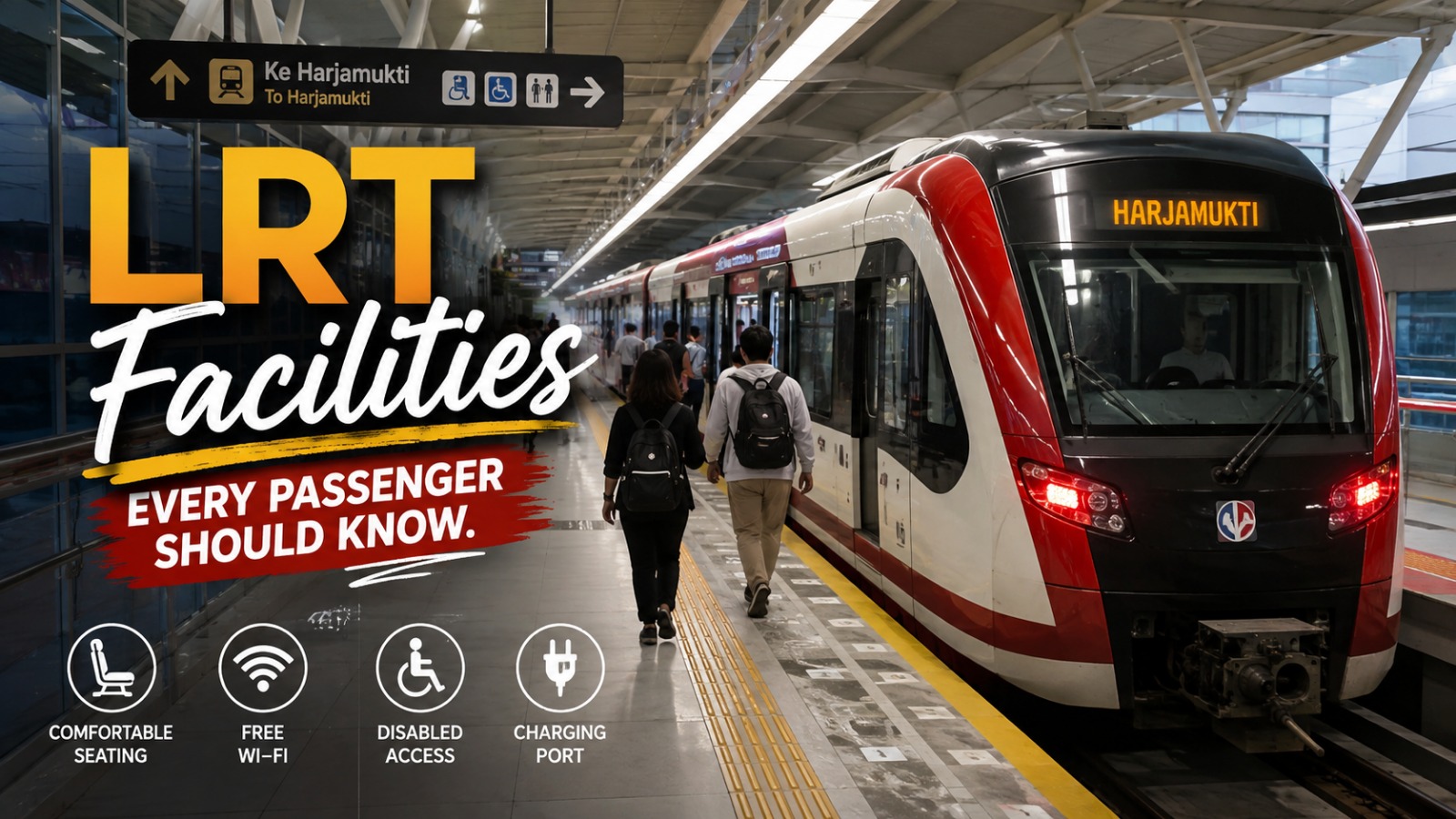
Light Rail Transit or LRT is designed to provide fast, practical, and comfortable public transportation for urban communities. Besides trains and stations, LRT systems offer various facilities that help passengers during their journey. Understanding these facilities is especially important for first time passengers who may not yet be familiar with the station layout. Knowing how to use each facility can make travel more convenient and safer. However, facilities may vary between LRT operators and stations.
PASSENGER WAITING AREAS
Passenger waiting areas provide a designated space for people to wait before boarding the train. These areas may include seats, information boards, digital displays, and signs showing directions. Passengers should wait in the designated area while keeping walkways clear for other people. Information displayed in the waiting area can also help passengers confirm their train and destination. Staying alert to announcements is important because platform or service information can sometimes change.
PLATFORMS AND DIRECTION SIGNS
Platforms are the main areas where passengers wait for and board LRT trains. Clear signs usually indicate the train direction, destination, and platform information. Passengers should check these signs carefully before boarding to avoid taking the wrong train. Safety lines are also provided near the platform edge and should always be respected. When the train arrives, passengers should allow people to exit before entering the train.
TICKETING AND PAYMENT FACILITIES
LRT stations generally provide facilities for purchasing tickets or making approved payments. Depending on the operator, passengers may use ticket machines, ticket counters, stored value cards, or contactless payment methods. Before entering the paid area, make sure you have the correct ticket or sufficient balance when required. Keep your ticket or payment card accessible during the journey. If a payment machine or gate does not work, contact station staff instead of attempting to enter through another route.
LIFTS AND ESCALATORS
Lifts and escalators make it easier for passengers to move between station areas and platforms. They are particularly useful for elderly passengers, people with disabilities, travelers carrying luggage, and passengers with limited mobility. Follow the signs to find the nearest lift or escalator. Passengers should stand safely and avoid blocking entrances or exits. Priority should also be given to people who have a greater need for accessible facilities.
ACCESSIBILITY FACILITIES
Accessibility facilities help passengers with different mobility needs use LRT services more independently. Depending on the station, these facilities may include lifts, accessible pathways, guiding blocks, accessible toilets, and designated spaces. Some trains may also provide priority areas for passengers who need additional assistance. Other passengers should avoid occupying facilities specifically intended for those who need them. Respecting accessibility features helps create a more inclusive public transportation environment.
FACILITIES INSIDE THE TRAIN
LRT trains are equipped with facilities designed to support passengers during their journey. Common features include seats, handrails, grab poles, standing areas, priority seating, and passenger information displays. Audio announcements may also provide information about upcoming stations and service conditions. Passengers standing inside the train should hold a handrail or grab pole for safety. Keeping bags under control and avoiding blocked doors can also improve comfort for everyone.
INFORMATION SERVICES AND STAFF ASSISTANCE
Information services help passengers understand routes, station facilities, train directions, and service updates. Passengers can usually find information through digital screens, station signs, announcements, maps, or staff members. If you are unsure about the correct platform or exit, asking an LRT staff member is often the easiest solution. Staff can also provide guidance when passengers experience problems with tickets or station facilities. Using official information sources is recommended when checking important travel details.
TOILETS AND PUBLIC FACILITIES
Some LRT stations provide toilets and other public facilities for passengers. Their locations are generally marked with clear signs so passengers can find them easily. The availability of specific facilities may differ from one station to another. Passengers should keep public facilities clean and use them responsibly. If you need a particular facility, check the station information or ask staff before starting your journey.
TIPS FOR USING LRT FACILITIES
Arrive at the station early enough to find the ticket area, platform, and facilities you need without rushing. Check signs and digital displays carefully, especially when entering a large or unfamiliar station. Use lifts, escalators, accessible facilities, and other services according to their intended purpose. Keep personal belongings secure and avoid blocking entrances, walkways, or train doors. Most importantly, follow safety instructions and staff directions throughout your journey.
CONCLUSION
LRT facilities are designed to make public transportation safer, easier, and more comfortable for passengers. Waiting areas, platforms, ticket facilities, lifts, escalators, accessibility features, and onboard facilities all have important roles. Information services and station staff can also help passengers when they need directions or assistance. Understanding these facilities can make the LRT experience much easier, especially for first time users. By using facilities responsibly and following safety rules, passengers can enjoy a smoother and more convenient journey.
About the Author
Gusti Ayu Tita P
Author — STEKOM University
An active author focused on academic issues, educational technology, and human resource development in the campus environment.















