Maintaining Your Identity in the Age of Social Media
Gusti Ayu Tita P
27 Juni 2026
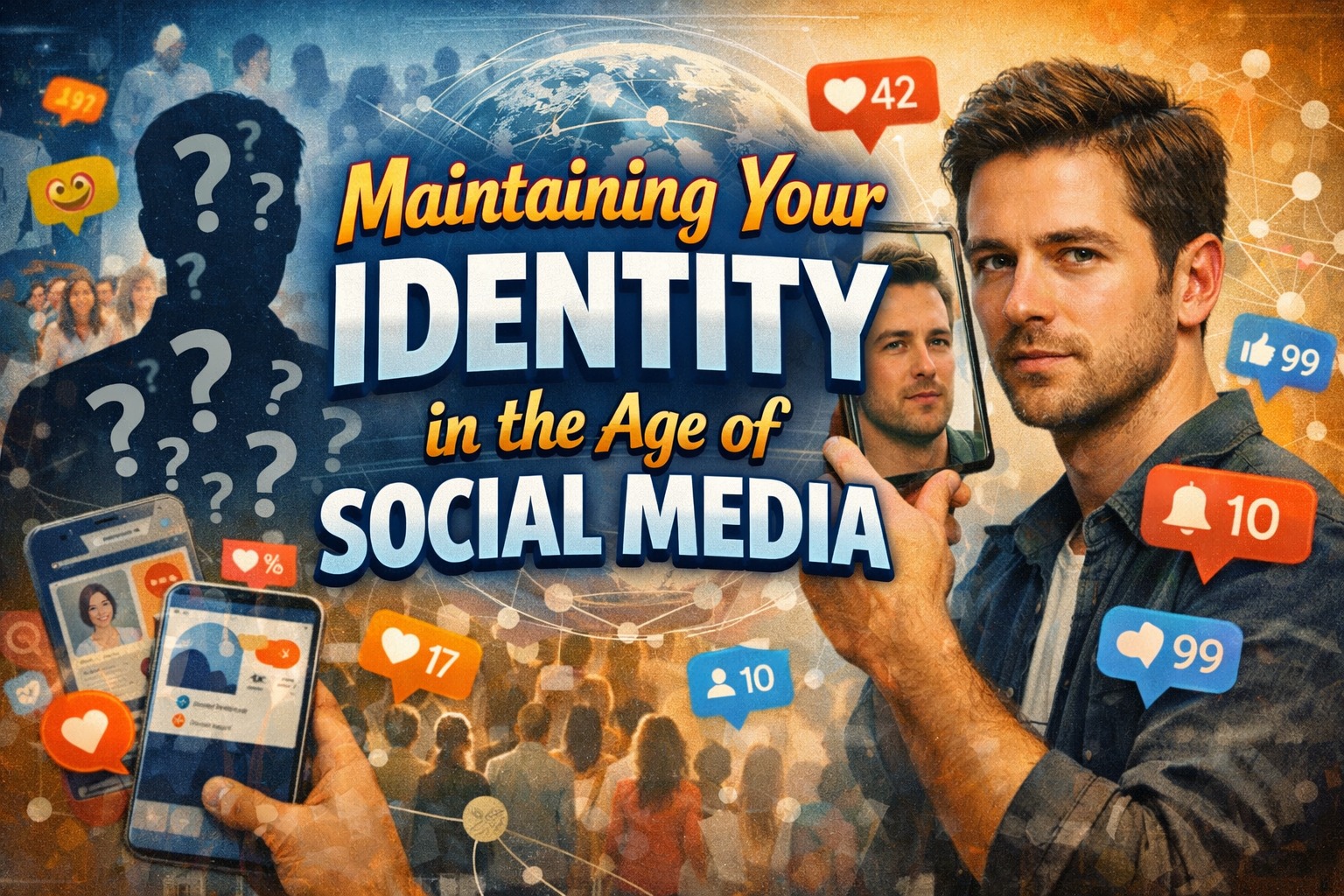
In today's digital world, social media has become an essential part of daily life. Platforms such as Instagram, TikTok, Facebook, and X allow people to connect, share experiences, and express themselves. While these platforms offer many benefits, they can also influence how individuals view themselves and shape their identities. As a result, maintaining a strong sense of self has become more important than ever.
UNDERSTANDING THE IMPACT OF SOCIAL MEDIA ON IDENTITY
Social media exposes users to countless opinions, lifestyles, trends, and standards every day. Constant exposure to carefully curated content can make people compare themselves to others, often leading to feelings of inadequacy or self-doubt. Many users begin to shape their online personas based on what receives the most attention or approval from others.
Over time, this pressure can blur the line between a person's authentic self and their digital image. Maintaining awareness of this influence is the first step toward protecting one's identity. Understanding that social media often showcases highlights rather than reality can help individuals develop a healthier perspective.
RECOGNIZING YOUR TRUE VALUES AND BELIEFS
A strong identity begins with knowing your personal values, beliefs, and goals. These elements act as a foundation that guides decisions, behaviors, and relationships both online and offline. When individuals understand what truly matters to them, they are less likely to be swayed by temporary trends or external validation.
Taking time for self-reflection can help clarify personal priorities. Activities such as journaling, setting goals, or evaluating life experiences encourage deeper self-awareness. This process strengthens confidence and makes it easier to remain authentic in digital environments.
AVOIDING THE TRAP OF CONSTANT COMPARISON
One of the biggest challenges of social media is the tendency to compare oneself to others. People often share achievements, vacations, appearances, and success stories while hiding struggles and setbacks. Comparing your everyday life to someone else's highlight reel can create unrealistic expectations.
Instead of focusing on what others have, it is healthier to concentrate on personal growth and progress. Celebrating your own achievements, no matter how small, helps build self-esteem. Developing gratitude for your unique journey can also reduce the negative effects of comparison.
BUILDING HEALTHY SOCIAL MEDIA HABITS
Creating boundaries around social media use is essential for maintaining identity and mental well-being. Spending excessive time online can lead to dependency, distraction, and reduced self-awareness. Establishing specific times for social media use can help create a healthier balance.
It is also beneficial to follow accounts that provide positive influence, educational content, and genuine inspiration. Unfollowing accounts that consistently trigger negative emotions can improve overall well-being. Healthy digital habits allow individuals to use social media as a tool rather than becoming controlled by it.
EXPRESSING YOUR AUTHENTIC SELF ONLINE
Authenticity is a key factor in preserving identity in the digital age. Sharing content that reflects your genuine interests, values, and experiences helps build a more honest online presence. Being authentic encourages meaningful connections rather than superficial interactions.
People who remain true to themselves are often more resilient to online pressure and criticism. They understand that approval from others does not define their worth. By embracing individuality, users can create a healthier relationship with social media while maintaining confidence in who they are.
STRENGTHENING REAL-WORLD CONNECTIONS
While online interactions can be valuable, face-to-face relationships remain crucial for personal development. Spending time with family, friends, mentors, and supportive communities helps reinforce a realistic sense of identity. These relationships provide feedback, encouragement, and emotional support that cannot always be found online.
Engaging in offline activities such as hobbies, volunteering, sports, or learning new skills also contributes to self-discovery. Real-world experiences help individuals grow beyond their digital identities. Maintaining strong offline connections creates a balanced and grounded sense of self.
CONCLUSION
Maintaining your identity in the age of social media requires awareness, self-reflection, and intentional habits. While social media offers opportunities for connection and self-expression, it can also create pressure to conform and seek validation. By understanding your values, avoiding unhealthy comparisons, practicing authenticity, and nurturing real-world relationships, you can preserve a strong sense of self. Ultimately, a healthy identity is built on self-awareness, confidence, and personal values, not on likes, followers, or online approval.
About the Author
Gusti Ayu Tita P
Author — STEKOM University
An active author focused on academic issues, educational technology, and human resource development in the campus environment.