Middle Children and the Challenges of Growing Up in a Family
Gusti Ayu Tita P
8 September 2026
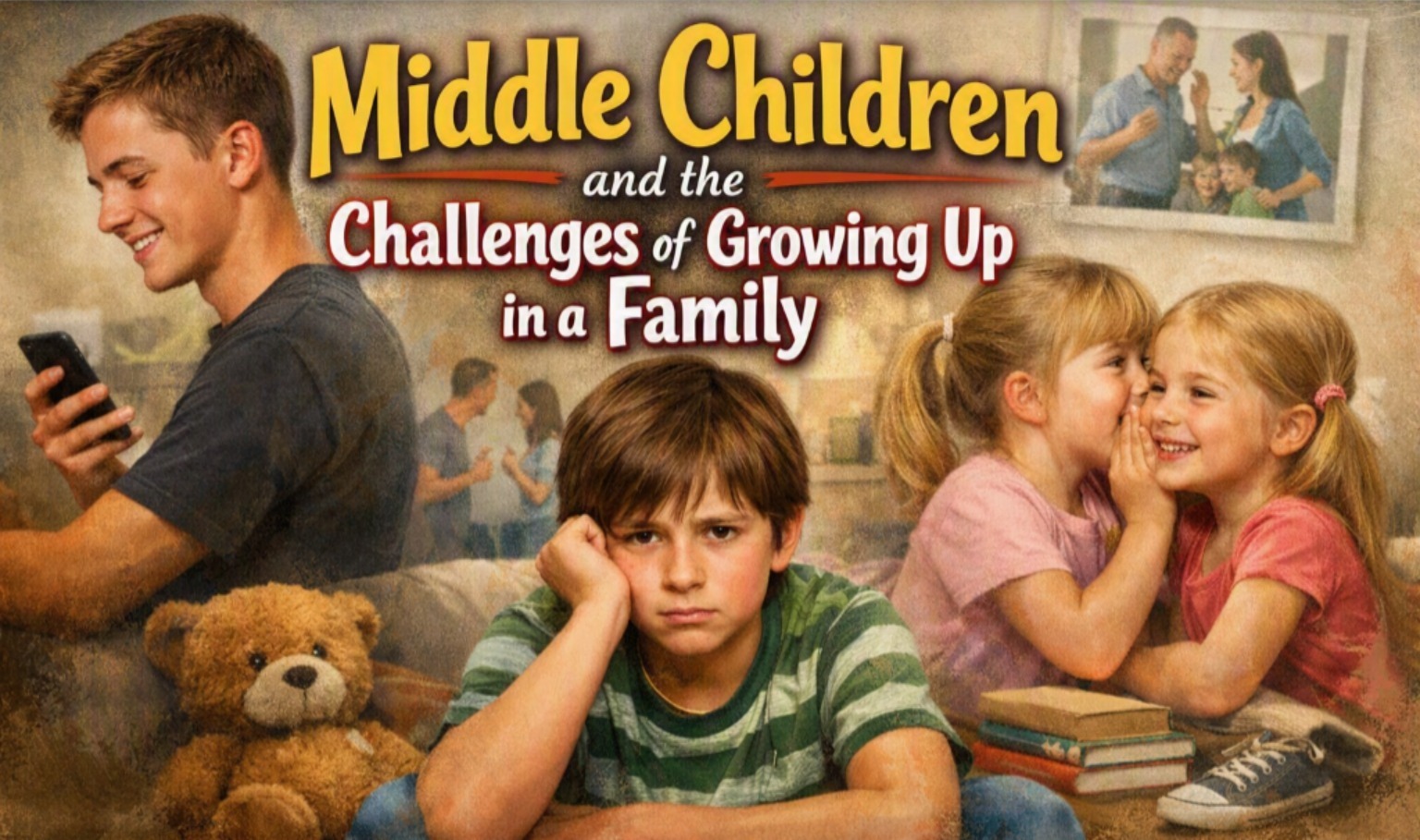
Being a middle child can be a unique experience because this position places a child between older and younger siblings. They may grow up with different expectations, responsibilities, and family dynamics compared with their siblings. In some families, middle children become skilled at adapting to different personalities and situations. However, they can also face challenges related to attention, identity, and communication. Understanding these experiences can help parents create a healthier and more balanced family environment.
THE UNIQUE POSITION OF MIDDLE CHILDREN
Middle children often experience a family role that is different from that of their older and younger siblings. The oldest child may receive attention because they are experiencing important milestones for the first time, while the youngest may receive extra care because they are still considered the baby of the family. As a result, the middle child may feel that they need to find their own place within the family. This experience can encourage independence and adaptability from an early age. However, these effects are not the same for every middle child because family relationships and parenting styles vary widely.
The position between siblings can also help middle children develop strong social skills. They may learn how to negotiate, share, cooperate, and understand different perspectives through everyday interactions with siblings. In some families, they may naturally become a bridge between older and younger children. This can strengthen their ability to handle disagreements and maintain relationships. At the same time, being expected to constantly compromise can become tiring if their own needs are repeatedly overlooked.
FEELING OVERLOOKED IN THE FAMILY
One common challenge associated with being a middle child is the feeling of receiving less individual attention. This may happen when parents are busy managing the needs of multiple children, especially when each sibling is going through a different developmental stage. A middle child may compare themselves with siblings and believe that their achievements are less noticeable. Such feelings can become stronger when parents unintentionally celebrate one child's accomplishments more often than another's. Importantly, feeling overlooked is not an inevitable result of birth order and depends heavily on the family's circumstances.
Parents can reduce this problem by recognizing each child's achievements and interests individually. Middle children need opportunities to express their opinions without having to compete with their siblings for attention. Simple activities such as spending one-on-one time together can help strengthen the parent-child relationship. Parents should also avoid assuming that a middle child is automatically independent enough to manage everything alone. Consistent emotional support can help children feel valued and understood.
DEVELOPING A STRONG SENSE OF IDENTITY
Another challenge can involve building a clear personal identity within a family where siblings already have established roles. An older sibling may be known as responsible, while a younger sibling may be recognized as playful or dependent. A middle child may feel pressure to develop a different role so they can stand out. This can encourage creativity and exploration, but it may also create uncertainty about what makes them special. Children benefit when they are allowed to develop interests and characteristics without being compared constantly with their siblings.
A healthy sense of identity grows when children receive recognition for who they are rather than only for what they achieve. Parents can support middle children by encouraging their individual hobbies, friendships, talents, and goals. Teachers and other trusted adults can also provide positive environments where children feel comfortable expressing themselves. Comparisons such as saying one sibling is smarter, more responsible, or more successful can damage confidence over time. Instead, focusing on individual strengths helps each child understand that they do not need to compete for a meaningful place in the family.
HANDLING SIBLING COMPARISONS
Sibling comparisons can be especially challenging when children have different abilities, personalities, or developmental timelines. A middle child may compare their academic performance, appearance, talents, or achievements with those of their siblings. Even casual comments from adults can sometimes make children feel that they are being measured against one another. These comparisons may create competition instead of cooperation. Over time, repeated comparisons can affect how a child views their own abilities and value.
Families can create a healthier atmosphere by treating differences between siblings as normal rather than as evidence that one child is better. Each child's progress should be evaluated according to their own goals and development. Parents can praise effort, improvement, kindness, responsibility, and other meaningful qualities without ranking siblings. Children should also be taught that different forms of success can coexist within the same family. This approach encourages mutual respect and reduces unnecessary rivalry.
LEARNING INDEPENDENCE AND RESPONSIBILITY
Middle children may develop independence because they often observe older siblings while also interacting closely with younger ones. They can learn practical skills by watching what older siblings do and may later help younger siblings with everyday activities. This environment can encourage problem-solving and self-reliance. Nevertheless, independence should not mean that a child has to handle emotional or practical problems without appropriate support. Every child still needs guidance, attention, and reassurance regardless of birth order.
Parents should give middle children responsibilities that match their age and abilities. Asking them to help with reasonable household tasks can build confidence and a sense of contribution. However, they should not be treated as a permanent helper or expected to take responsibility for younger siblings beyond what is appropriate. A balanced approach allows children to become capable while still feeling cared for. This balance is important for developing healthy independence rather than emotional distance.
CONCLUSION
The challenges experienced by middle children can sometimes become opportunities for positive development. Learning to communicate with different siblings may improve adaptability, empathy, and cooperation. Managing disagreements can teach children how to listen and find solutions without immediately escalating conflict. Having to establish their own identity can also encourage creativity and confidence. These potential strengths, however, should not be assumed to apply to every middle child because individual experiences differ.
The most supportive family environment is one where every child feels seen, respected, and emotionally secure. Parents do not need to treat all children in exactly the same way, because their ages, personalities, and needs may be different. What matters is providing fair attention, appropriate support, and equal respect. When middle children have space to express themselves and develop their own strengths, they can grow without feeling defined by their position in the sibling order. Ultimately, birth order is only one part of childhood, while relationships, parenting, environment, and individual personality play important roles in development.
About the Author
Gusti Ayu Tita P
Author — STEKOM University
An active author focused on academic issues, educational technology, and human resource development in the campus environment.