Ministry of Finance Policies for Addressing Economic Challenges
Gusti Ayu Tita P
1 Agustus 2026
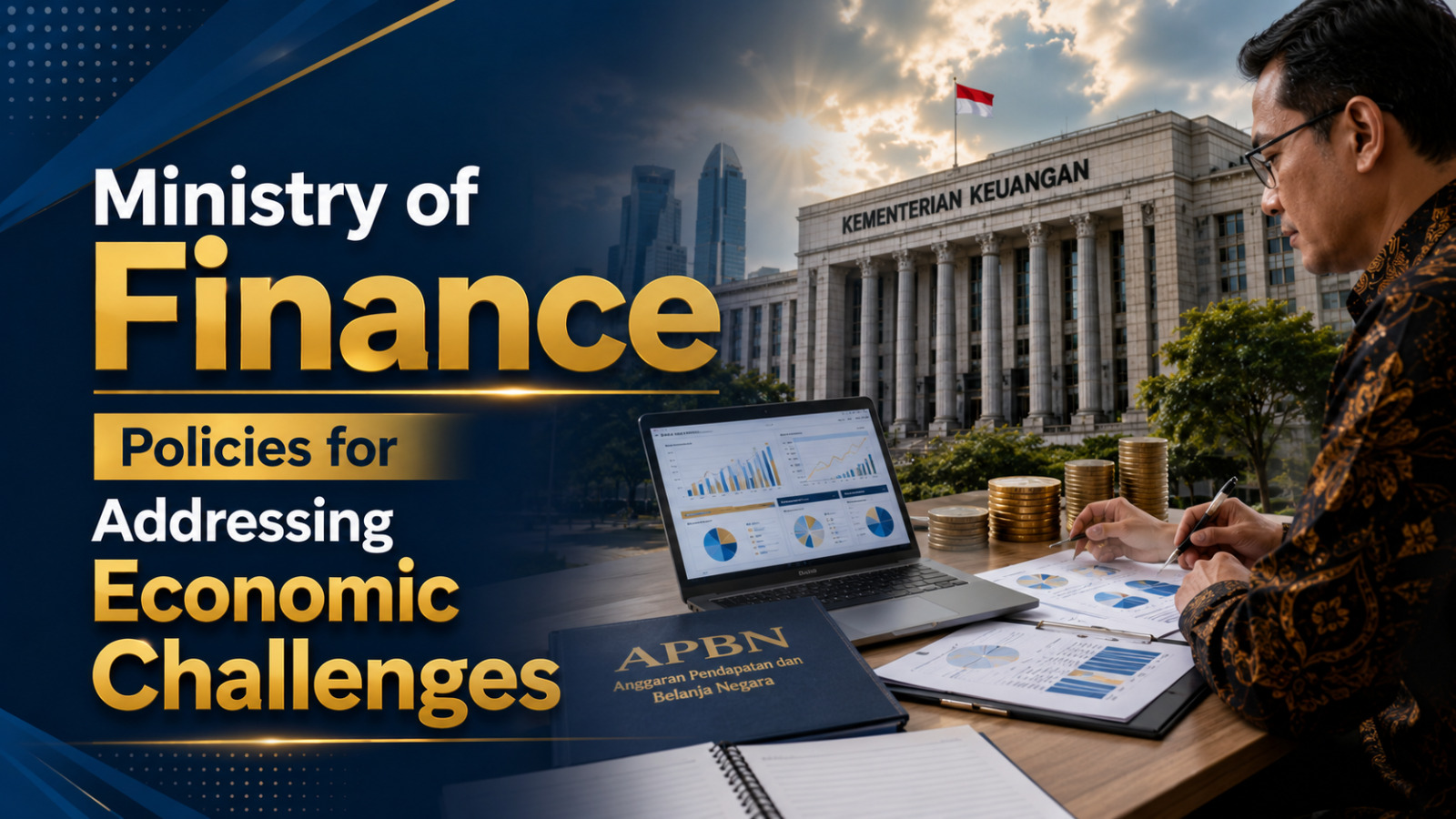
The Ministry of Finance plays a crucial role in addressing economic challenges through well-designed fiscal policies and responsible public financial management. Economic conditions can change due to global market fluctuations, inflation, natural disasters, or other unexpected events. Therefore, the ministry continuously develops policies that strengthen economic resilience while supporting sustainable national growth.
By maintaining sound fiscal governance and adapting to changing economic conditions, the Ministry of Finance helps protect Indonesia's economy. Its policies support businesses, encourage investment, and improve the welfare of society.
IMPLEMENTING RESPONSIVE FISCAL POLICIES
One of the ministry's key strategies is implementing responsive fiscal policies that adapt to current economic conditions. These policies regulate government spending, taxation, and financing to maintain economic stability. During economic uncertainty, the ministry adjusts fiscal measures to stimulate growth and support productive sectors. Flexible policies also help reduce the impact of inflation and global financial disruptions. Effective fiscal management strengthens the country's economic resilience.
Regular economic analysis allows the ministry to respond quickly to new challenges. This proactive approach supports stable and sustainable development.
MAINTAINING STATE BUDGET STABILITY
The Ministry of Finance ensures that the State Budget remains balanced and sustainable despite economic challenges. Budget planning focuses on maintaining essential public services while supporting national development priorities. Government spending is directed toward infrastructure, education, healthcare, and social protection programs that contribute to economic recovery. Careful financial management prevents excessive fiscal pressure and protects long-term economic stability. Responsible budgeting creates confidence among investors and the public.
Continuous monitoring of government expenditures improves budget efficiency and accountability. This process ensures that public funds deliver maximum benefits.
SUPPORTING BUSINESSES AND INVESTMENT
Strong business activity is essential for overcoming economic challenges. The Ministry of Finance develops financial policies that encourage investment and improve the business environment. Stable fiscal regulations help increase investor confidence and support private sector growth. Business-friendly policies also create employment opportunities and strengthen economic productivity. Increased investment contributes to sustainable national development.
The ministry works together with other government institutions to improve the investment climate. Collaboration helps accelerate economic recovery and long-term growth.
STRENGTHENING PUBLIC FINANCIAL GOVERNANCE
Effective public financial governance is critical for managing economic challenges successfully. The Ministry of Finance continuously improves transparency, accountability, and efficiency through financial reforms and digital transformation. Modern financial systems enhance budget management while reducing administrative risks. Strong governance also improves public trust and supports better policy implementation. These efforts build a more resilient and sustainable financial system.
Ongoing innovation enables the ministry to respond more effectively to future economic changes. Continuous improvements strengthen Indonesia's financial resilience and competitiveness.
CONCLUSION
The Ministry of Finance addresses economic challenges through responsive fiscal policies, responsible State Budget management, investment support, and stronger public financial governance. These policies help maintain economic stability, encourage sustainable growth, and improve public welfare. Through professional financial management and continuous reform, the ministry remains a key pillar of Indonesia's economic resilience.
About the Author
Gusti Ayu Tita P
Author — STEKOM University
An active author focused on academic issues, educational technology, and human resource development in the campus environment.