Mistakes to Avoid When Attending a Job Fair
Gusti Ayu Tita P
27 Agustus 2026
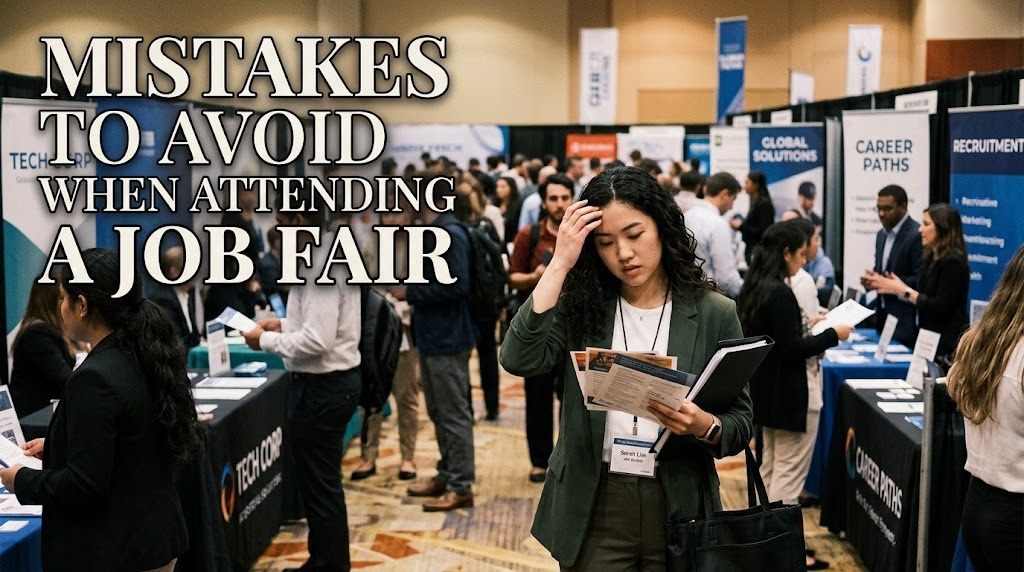
Attending a job fair can be a valuable opportunity to meet recruiters, discover job openings, and build professional connections. However, many job seekers fail to maximize the event because they arrive unprepared or make simple mistakes during their interactions with employers. A job fair can be crowded and competitive, so preparation and professionalism are essential. Understanding common mistakes can help you make a stronger impression and improve your chances of finding suitable employment.
ARRIVING WITHOUT PREPARATION
One of the biggest mistakes is attending a job fair without researching the participating companies. Without preparation, you may spend too much time walking around without knowing which employers are relevant to your career goals. Check the list of participating companies and identify positions that match your education, skills, and experience. Learn basic information about your priority employers before the event. This preparation allows you to use your time more efficiently.
You should also prepare the documents and materials you may need. Bring updated copies of your CV, digital versions of important documents, and a professional method of introducing yourself. Check whether the event requires registration or specific documents before arriving. Good preparation reduces unnecessary delays and helps you focus on meeting potential employers.
USING AN OUTDATED CV
An outdated CV can reduce your chances of making a positive impression. Make sure your education, work experience, internships, projects, skills, certifications, and contact information are current. Remove information that is no longer relevant and emphasize achievements related to the position you want. Keep the format simple, professional, and easy for recruiters to scan. A clear CV allows employers to understand your qualifications quickly.
Avoid using exactly the same CV for every position when the job requirements are significantly different. Highlight the experience and skills that are most relevant to each opportunity. You should also check your CV carefully for spelling and formatting errors. If digital applications are available, keep a clean electronic version ready. These small details can make the application process more professional.
APPLYING WITHOUT UNDERSTANDING THE POSITION
Submitting applications without reading the job description is another common mistake. You may end up applying for positions that do not match your qualifications or career interests. Before approaching a recruiter, understand the main responsibilities and requirements of the role. Identify how your skills or experience relate to what the employer is seeking. This preparation makes your conversation more focused and convincing.
Understanding the position also helps you ask better questions. Instead of asking for information that is already provided in the vacancy description, you can discuss aspects of the role that genuinely interest you. Recruiters are more likely to appreciate candidates who demonstrate preparation. A thoughtful approach is more effective than simply submitting as many applications as possible.
FOCUSING ONLY ON THE NUMBER OF CVs
Some job seekers believe that handing out as many CVs as possible will automatically increase their chances of getting hired. In reality, quantity does not always lead to better results. Applying to positions that do not match your qualifications can waste valuable time. Focus on employers and roles that align with your skills and career goals. A smaller number of well targeted applications can be more useful than dozens of unsuitable ones.
Use your time at the job fair to create meaningful interactions. Introduce yourself, explain your career interests, and discuss your relevant experience briefly. This gives recruiters more context than a CV alone. Quality conversations can also help you discover opportunities that may not be obvious from the initial job listing.
NEGLECTING PROFESSIONAL APPEARANCE
Your appearance can contribute to the first impression you make on recruiters. Wearing inappropriate clothing, arriving untidy, or ignoring basic personal presentation can make you appear less prepared. Choose clean, neat, and professional clothing that suits the event and the industry you are targeting. Your appearance does not need to be overly formal, but it should demonstrate that you take the opportunity seriously. Small details such as cleanliness and appropriate grooming also matter.
Professionalism extends beyond clothing. Maintain polite body language, make appropriate eye contact, and avoid appearing distracted while speaking with recruiters. Put your phone away during conversations unless you need it for the application process. A respectful and confident attitude can strengthen the impression created by your qualifications.
NOT PREPARING A SELF INTRODUCTION
A job fair often gives you only a short amount of time to speak with each recruiter. If you are unable to explain who you are and what you are looking for, the conversation may become less effective. Prepare a short introduction that includes your background, key skills, relevant experience, and the type of position you are interested in. Practice it beforehand so you can speak naturally and confidently. Avoid making the introduction too long or sounding like you are reading a memorized script.
Your introduction should be adjusted according to the employer you are approaching. Mention experiences or skills that are relevant to the position whenever possible. Speak clearly and honestly rather than exaggerating your abilities. A concise introduction can help recruiters quickly understand your professional profile.
BEING TOO PASSIVE WITH RECRUITERS
Simply handing over your CV and walking away can mean missing an important opportunity. Job fairs are valuable partly because they allow you to communicate directly with company representatives. Ask relevant questions about the position, recruitment stages, required qualifications, training, or career development. Listen carefully to the recruiter's answers and respond appropriately. This interaction can provide information that may not be available in a standard job advertisement.
However, avoid dominating the conversation or asking too many unrelated questions. Recruiters may need to speak with many candidates during the event. Keep your discussion concise while showing genuine interest. Professional communication demonstrates that you can interact effectively in a workplace environment.
IGNORING DIGITAL APPLICATION INSTRUCTIONS
Many employers now use digital systems during job fairs. They may ask candidates to scan a QR code, complete an online form, or apply through an official recruitment platform. Ignoring these instructions can result in your application not being properly recorded. Pay attention to the process explained by the recruiter and complete all required steps. Check your information carefully before submitting an application.
Keep your phone charged and make sure you have reliable internet access if digital applications are expected. Save confirmation messages or application details when possible. Do not assume that giving a printed CV is enough if the company specifically requires online registration. Following the correct process can prevent unnecessary administrative problems.
FAILING TO TAKE NOTES
Talking to many companies can make it difficult to remember every detail after the event. Failing to take notes may cause you to forget the position you discussed or the next steps provided by the recruiter. Record the company name, position, application process, deadlines, and important instructions after each meaningful conversation. If an official contact or recruitment channel is provided, save it as well. These notes will make your follow up much easier.
Use a simple note-taking system on your phone or in a notebook. Mark the opportunities that are most relevant to your goals. This allows you to compare employers after the event instead of relying on memory. Organized information can also prevent you from missing application deadlines.
NOT FOLLOWING UP AFTER THE EVENT
Another mistake is assuming that the recruitment process ends when the job fair is over. If a recruiter asks you to complete another application or submit additional documents, follow the instructions promptly. Check your email and official recruitment accounts regularly for updates. If follow up communication is appropriate, keep your message brief, professional, and relevant. Avoid repeatedly contacting recruiters without a clear reason.
Following up demonstrates that you are serious about the opportunity. However, always respect the company's recruitment procedures and timelines. Do not pressure recruiters for immediate answers. A professional follow up can help you remain organized while showing continued interest in the position.
CONCLUSION
Avoiding common mistakes at a job fair can significantly improve the quality of your job search. Research participating companies, prepare an updated CV, understand the positions available, and create a short self introduction before attending. During the event, maintain a professional appearance, communicate confidently with recruiters, ask relevant questions, and follow application instructions carefully.
Remember that a job fair is not simply a place to distribute CVs. It is an opportunity to build professional relationships, learn about employers, and identify career opportunities that match your abilities. With proper preparation, focused communication, and appropriate follow up, you can make the most of the event and improve your chances of moving forward in the recruitment process.
About the Author
Gusti Ayu Tita P
Author — STEKOM University
An active author focused on academic issues, educational technology, and human resource development in the campus environment.