Modern Bus Terminals to Support Public Mobility
Gusti Ayu Tita P
10 Agustus 2026
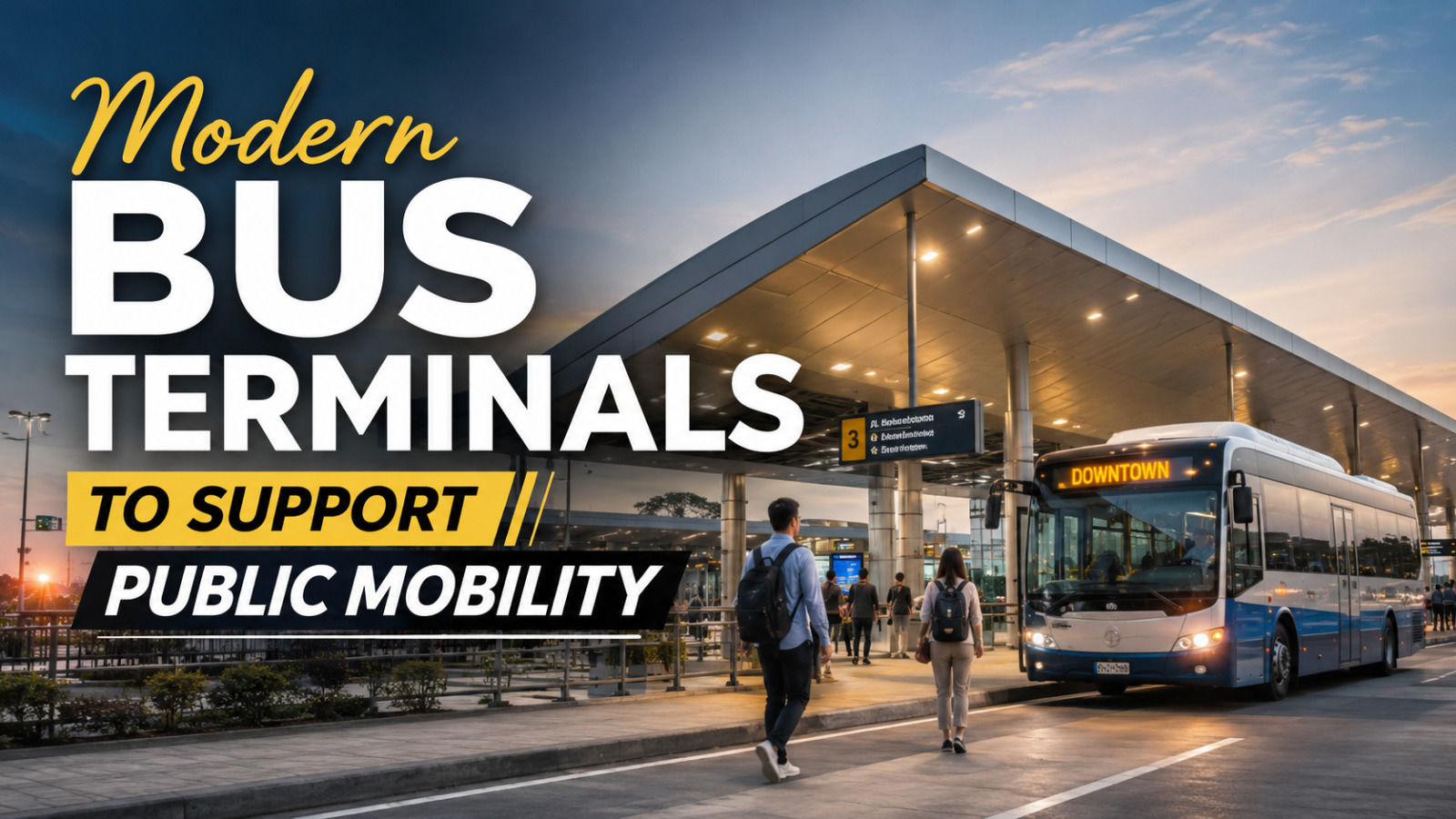
Modern bus terminals play an important role in supporting public mobility in growing cities and regions. A terminal is no longer simply a place where buses arrive and depart. With better facilities, organized services, and digital technology, modern terminals can make public transportation more efficient and convenient. These improvements also help passengers travel between different areas more easily.
THE ROLE OF MODERN BUS TERMINALS
A modern bus terminal functions as an important transportation hub for passengers and buses. It provides organized areas for arrivals, departures, waiting, and passenger movement. Proper management helps buses operate in an orderly way and reduces unnecessary congestion around the terminal.
Modern terminals can also connect different transportation services in one location. Passengers may transfer between buses and other available modes of transportation more easily. This role makes terminals important for improving urban and regional mobility while supporting a more organized public transportation system.
FACILITIES FOR PASSENGER COMFORT
One major feature of a modern terminal is the availability of comfortable passenger facilities. These may include clean waiting areas, seating, restrooms, information centers, prayer rooms, and accessible facilities for passengers with special needs. Properly maintained facilities can make waiting for a bus more comfortable.
Some modern terminals may also provide food areas, convenience stores, parking spaces, and charging facilities. These supporting services can help passengers meet their basic needs without leaving the terminal. A clean and well-organized environment can create a better travel experience for public transportation users.
DIGITAL TECHNOLOGY IN TERMINALS
Digital technology has become an important part of modern terminal management. Digital information boards can display departure times, destinations, platforms, and other travel information. Clear and updated information helps passengers understand their journey and reduces confusion, especially for first-time users.
Technology can also support terminal security and operational efficiency. Surveillance cameras, digital management systems, and vehicle monitoring tools can help staff supervise terminal activities. However, technology still needs proper management and trained personnel to ensure that the information and services remain reliable.
SUPPORTING PUBLIC MOBILITY
Modern bus terminals can improve public mobility by making bus services easier to access and use. Organized routes and clear departure information allow passengers to plan their trips more effectively. This is particularly useful for people who depend on public transportation for work, education, business, and other daily activities.
A well-managed terminal can also strengthen regional connectivity. It can connect urban areas with surrounding communities and provide access to important destinations. When terminals are linked with other transportation networks, passengers have more opportunities to travel without depending entirely on private vehicles.
IMPROVING FUTURE TRANSPORTATION
The development of modern bus terminals should focus on safety, comfort, accessibility, and efficiency. Facilities need to be maintained properly, while transportation information should remain accurate and easy to access. Good management is equally important because modern infrastructure will not provide maximum benefits without reliable services.
Future terminals are also expected to become more integrated with digital transportation systems. Better connections between buses, local transportation, and other mobility services can make journeys more convenient. By combining technology, quality facilities, and effective management, modern bus terminals can continue to support the changing mobility needs of society.
CONCLUSION
Modern bus terminals are important facilities for supporting public mobility and transportation connectivity. They provide organized transportation services, comfortable facilities, digital information, and better passenger support. Modern terminals can also connect different areas and transportation modes, making travel more convenient for communities. With continuous improvements in technology, safety, accessibility, and service quality, bus terminals can play an increasingly important role in the future of public transportation.
About the Author
Gusti Ayu Tita P
Author — STEKOM University
An active author focused on academic issues, educational technology, and human resource development in the campus environment.