
Modern Franchises and Changing Customer Behavior
Gusti Ayu Tita P
29 Agustus 2026
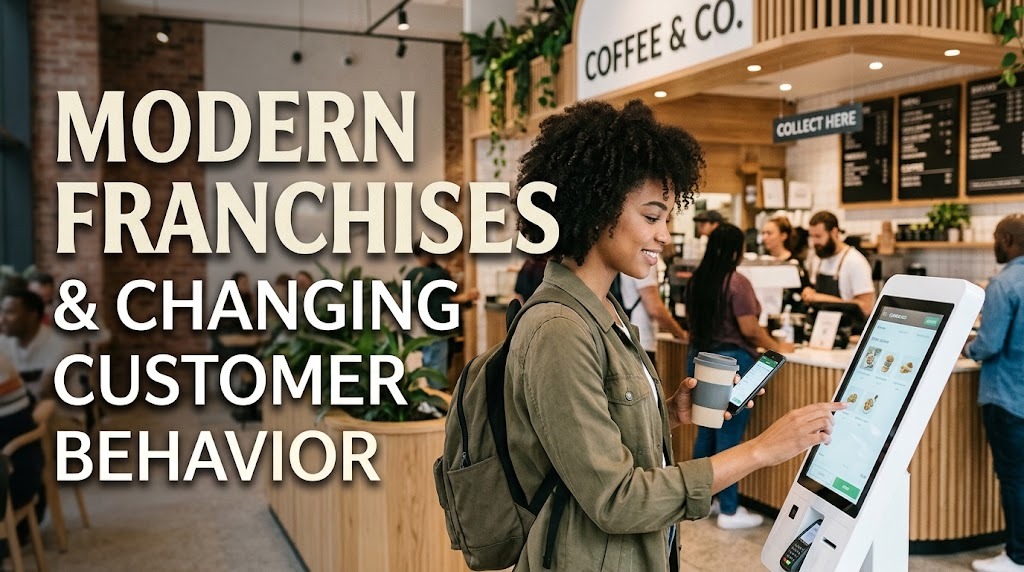
Modern franchises operate in a business environment where customer behavior can change quickly. Technology, lifestyle changes, social media, and increasing access to information have influenced how people discover, compare, and purchase products. Customers now often expect businesses to provide not only quality products but also convenience, speed, and a positive overall experience. As a result, franchise businesses need to understand these changes to remain relevant.
Modern franchises must balance established business systems with the flexibility to respond to new customer expectations. A strategy that worked well several years ago may need to be improved as consumer habits continue to evolve. Understanding customer preferences can help franchise owners make better decisions about service, marketing, and business operations. Adaptation has therefore become an important part of long-term franchise success.
DIGITAL TECHNOLOGY CHANGES HOW CUSTOMERS BUY
Digital technology has changed the way customers interact with businesses. Many people now search for information, compare products, read reviews, and make purchasing decisions through digital platforms. Online ordering and digital payment systems have also increased customer expectations for faster and more convenient transactions. Digital convenience has become an important factor in the customer experience.
Modern franchises need to consider how technology can improve their services. Digital tools can support ordering, communication, promotions, and customer relationship management. However, technology should be used because it provides real value rather than simply following a trend. Effective digital transformation can help franchises create a smoother and more efficient customer experience.
CUSTOMERS NOW EXPECT GREATER CONVENIENCE
Convenience has become an important part of modern consumer behavior. Customers often prefer businesses that are easy to access, simple to understand, and efficient to use. Long waiting times or complicated purchasing processes can encourage customers to choose another option. This means franchises need to evaluate every part of the customer journey.
Convenience can be improved through faster service, clear information, accessible locations, and effective digital systems. The best approach depends on the type of franchise and the needs of its target market. Businesses should focus on removing unnecessary difficulties from the customer experience. A strong service strategy can increase customer satisfaction and encourage repeat purchases.
SOCIAL MEDIA INFLUENCES CUSTOMER DECISIONS
Social media has become an important source of information for many consumers. Customers can quickly discover new products, share experiences, and express opinions about businesses. Positive content may increase brand awareness, while negative experiences can also spread quickly. This makes online reputation increasingly important for franchise businesses.
Modern franchises need to communicate consistently across digital platforms. Content should reflect the values and identity of the brand while remaining relevant to the target audience. Franchise locations may also need to respond to local customer interests and trends. Effective social media marketing can help businesses stay connected with changing consumer behavior.
PERSONALIZED EXPERIENCES ARE BECOMING MORE VALUABLE
Modern customers often appreciate businesses that understand their preferences and needs. A personalized experience does not always require complicated technology. It can involve relevant recommendations, friendly communication, and services that make customers feel understood. Customer personalization can strengthen the relationship between a business and its audience.
Franchises must still maintain consistency when developing personalized experiences. Different locations should follow the main standards of the brand while responding appropriately to local customers. Customer data and feedback can help businesses identify common preferences and areas for improvement. A balanced customer strategy can provide both personalization and reliable service.
CHANGING LIFESTYLES CREATE NEW BUSINESS OPPORTUNITIES
Customer behavior is closely connected to changes in daily lifestyles. Busy schedules, remote activities, digital communication, and new consumption habits can influence what customers expect from businesses. These changes may create new opportunities for franchises that can identify emerging needs. Consumer trends can therefore provide useful insights for business development.
Franchise owners should regularly observe changes in their target market. A business may need to improve its service methods, communication, or product offerings to remain relevant. However, not every trend should be followed immediately. Market adaptation should be based on customer needs and realistic business potential.
CUSTOMER EXPERIENCE CAN BUILD LONG TERM LOYALTY
A modern franchise competes not only through its products but also through the overall experience it provides. Customers may remember how easily they found information, how they were treated by employees, and how efficiently their needs were met. These experiences can influence whether customers decide to return. Customer experience has become an important part of building loyalty.
Consistency remains essential because customers expect similar standards across different franchise locations. Employee training, clear procedures, and regular evaluation can help maintain service quality. At the same time, franchises should remain open to feedback and improvement. A positive and consistent experience can strengthen customer loyalty over time.
DATA HELPS FRANCHISES UNDERSTAND CUSTOMER NEEDS
Business decisions can become more effective when supported by relevant information. Sales patterns, customer feedback, purchasing habits, and marketing results can provide insights into changing consumer preferences. Franchise owners can use this information to identify popular products, busy periods, and potential service improvements. Customer data can support more informed decision-making.
Data should not replace direct understanding of customers. Business owners still need to observe local market conditions and communicate with their target audience. Combining data with real customer feedback can provide a clearer picture of market changes. Data-driven decisions can help modern franchises respond more effectively to customer needs.
FRANCHISES MUST BALANCE CHANGE AND CONSISTENCY
Adapting to changing customer behavior does not mean changing every part of the business. Franchises need to protect the core identity that makes their brand recognizable. Product standards, service values, and brand promises should remain consistent across locations. Brand consistency continues to be important even in a rapidly changing market.
The challenge is identifying which areas need innovation and which elements should remain unchanged. Marketing methods, digital services, and customer communication may need regular updates. Meanwhile, the core values and quality standards of the franchise should remain clear. This balance between innovation and consistency can support sustainable business growth.
CONCLUSION
Modern franchises and changing customer behavior are closely connected in today's business environment. Technology, convenience, social media, lifestyle changes, and customer expectations continue to influence how people interact with businesses. Franchise owners need to understand these developments and respond with strategies that provide genuine value.
Successful adaptation requires more than following every new trend. Digital transformation, customer experience, market adaptation, and data-driven decisions should support the long-term goals of the business. By listening to customers while maintaining strong brand consistency, modern franchises can remain competitive and build stronger relationships in an evolving marketplace.
About the Author
Gusti Ayu Tita P
Author — STEKOM University
An active author focused on academic issues, educational technology, and human resource development in the campus environment.















