
National Songs as Cultural Heritage Worth Preserving
Gusti Ayu Tita P
6 Agustus 2026
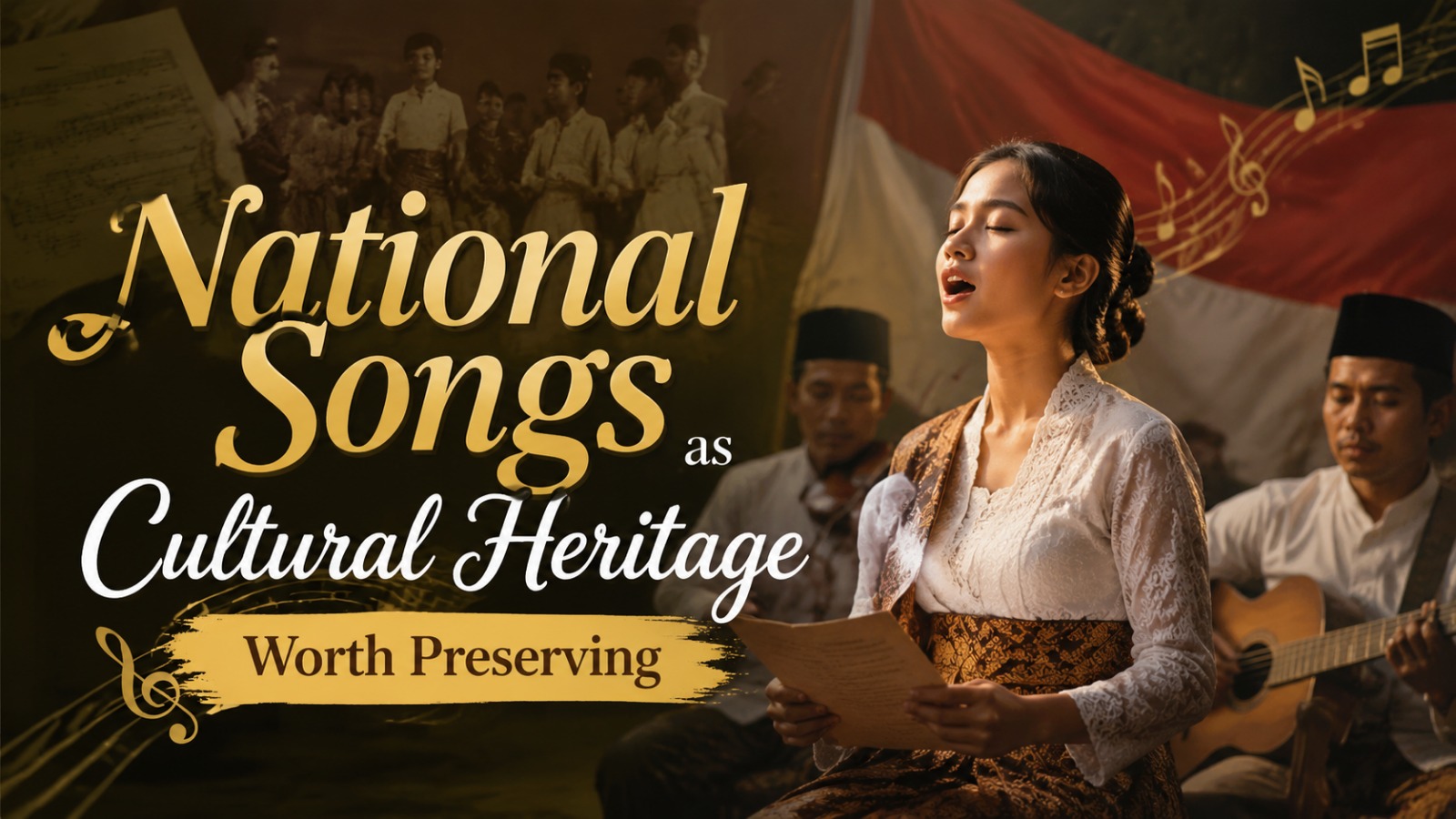
National songs are an essential part of a country's cultural heritage because they preserve history, values, and national identity through music. They tell stories of struggle, unity, hope, and the love people have for their homeland. Across generations, these songs have inspired citizens to appreciate their country's achievements while remembering the sacrifices made by national heroes. Preserving national songs is not only about maintaining musical traditions but also about protecting the cultural identity that shapes a nation's future.
In today's rapidly changing world, younger generations are exposed to many forms of global entertainment. While this cultural exchange has many benefits, it also makes preserving traditional and national music increasingly important. By understanding and appreciating national songs, people can strengthen their connection to their history and continue passing important values to future generations.
THE IMPORTANCE OF NATIONAL SONGS IN CULTURAL HERITAGE
National songs represent the spirit, history, and identity of a nation. Their lyrics often describe historical events, patriotic struggles, natural beauty, and the dreams of the people. Every melody and lyric carries messages that help preserve a country's cultural memory for future generations.
These songs also serve as historical records in musical form. Long before modern technology existed, music became a powerful way to communicate national ideals and inspire communities. Even today, national songs remain meaningful because they connect people with their cultural roots and shared identity.
Preserving national songs ensures that valuable traditions are not forgotten. As cultural heritage, they remind citizens of their responsibilities to maintain unity, respect diversity, and protect the nation's legacy.
HOW NATIONAL SONGS STRENGTHEN NATIONAL IDENTITY?
One of the greatest contributions of national songs is strengthening national identity. When people sing these songs during ceremonies, celebrations, or educational activities, they develop a stronger emotional bond with their country. This shared experience creates pride and a deeper appreciation for the nation's history.
National songs also help citizens recognize the values that define their country. Themes such as unity, courage, freedom, and cooperation appear repeatedly in many patriotic compositions. These messages continue to inspire individuals to contribute positively to society.
A strong national identity encourages people to protect their cultural traditions while respecting other cultures. National songs therefore become symbols that unite people despite differences in language, ethnicity, or regional background.
THE EDUCATIONAL VALUE OF NATIONAL SONGS
National songs play an important role in character education by teaching valuable life lessons. Students who learn these songs not only memorize melodies but also understand the historical events and moral values behind them. This learning process develops respect for the nation's journey toward independence and progress.
Teachers often use national songs to explain important concepts such as patriotism, discipline, responsibility, and cooperation. Music makes these lessons more enjoyable and memorable than reading historical facts alone. As a result, students develop a stronger emotional connection to their country's heritage.
Educational institutions also encourage participation in ceremonies and cultural events where national songs are performed. These activities reinforce positive values while strengthening students' understanding of national history.
PATRIOTIC VALUES REFLECTED IN NATIONAL SONGS
Many national songs express strong patriotic values that remain relevant today. Love for the homeland, courage, sacrifice, unity, and perseverance are common themes found in these musical works. These values continue to guide citizens in building a peaceful and prosperous society.
National songs also honor the contributions of heroes who fought for independence and justice. By remembering their sacrifices, people gain a greater appreciation for the freedom they enjoy today. This historical awareness encourages citizens to protect and improve their nation through positive actions.
Patriotism expressed in national songs is not limited to times of conflict. It also includes everyday actions such as respecting national laws, preserving the environment, supporting education, and contributing to community development.
CHALLENGES IN PRESERVING NATIONAL SONGS
Although national songs remain important, modern society faces several challenges in preserving them. The growing popularity of international music sometimes reduces young people's interest in learning traditional and patriotic songs. Without proper education and promotion, these valuable cultural assets may gradually lose public attention.
Another challenge is the limited understanding of the meanings behind the lyrics. Many people recognize the melodies but are unfamiliar with the historical stories and messages they contain. Increasing awareness through schools, media, and cultural programs can help address this issue.
Digital technology, however, also offers new opportunities for preservation. Online platforms allow national songs to reach wider audiences through educational videos, digital archives, and cultural campaigns that attract younger generations.
PRACTICAL WAYS TO PRESERVE NATIONAL SONGS
Preserving cultural heritage requires cooperation from individuals, schools, communities, and governments. Educational programs should continue introducing national songs while explaining their historical significance and cultural importance. This approach helps students understand why these songs deserve lasting appreciation.
Families can also contribute by teaching children national songs at home and discussing the stories behind them. Community performances, cultural festivals, and national celebrations provide additional opportunities to keep these traditions alive. Active participation strengthens public appreciation for national music.
Technology should also be used positively by creating high-quality recordings, documentaries, and educational content about national songs. Digital preservation ensures that future generations can continue learning and enjoying these important cultural treasures.
CONCLUSION
National songs are valuable cultural heritage that deserves continuous preservation because they represent history, identity, and patriotic values. Their meaningful lyrics and inspiring melodies help strengthen national unity while educating future generations about the importance of love for the homeland.
Preserving national songs is a shared responsibility that requires education, community participation, and modern technology. By protecting these musical treasures, societies ensure that their cultural identity remains strong and continues inspiring generations to come.
About the Author
Gusti Ayu Tita P
Author — STEKOM University
An active author focused on academic issues, educational technology, and human resource development in the campus environment.















