
Nationalism And Its Challenges In The Era Of Globalization
Gusti Ayu Tita P
4 Agustus 2026
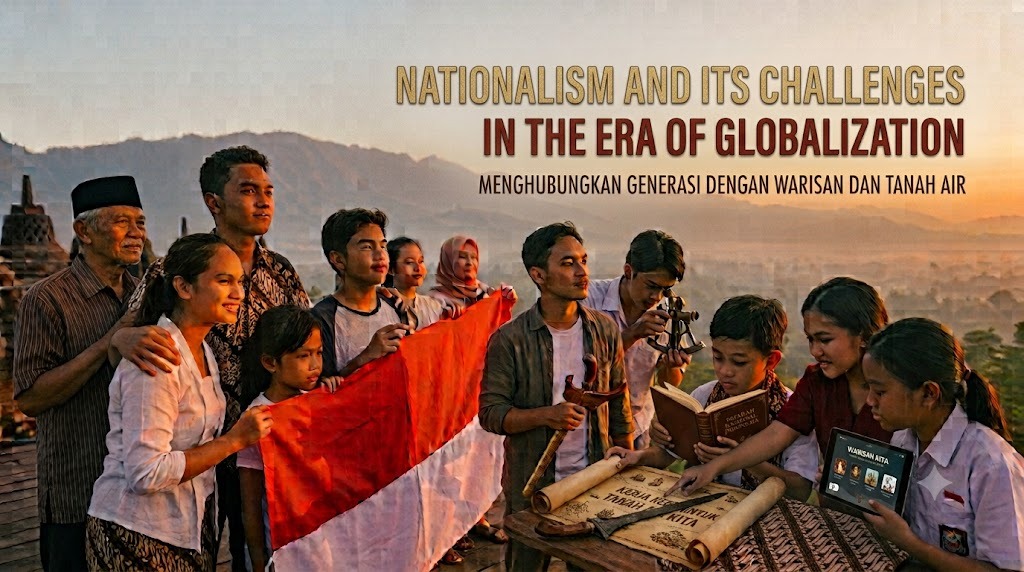
Nationalism remains an important value in modern society because it creates a sense of belonging, responsibility, and concern for one's country. However, globalization has changed how people communicate, learn, work, and interact with different cultures. People can now access international information, entertainment, products, and ideas almost instantly. This situation creates opportunities for development but also presents challenges for maintaining a strong national identity.
Globalization does not necessarily weaken nationalism. Instead, it can provide opportunities for people to introduce their culture, achievements, and ideas to the international community. The challenge is to remain open to global developments while protecting important national values. A balanced approach can help people become globally aware without losing their connection to their country and cultural identity.
UNDERSTANDING NATIONALISM IN THE ERA OF GLOBALIZATION
Nationalism is a sense of love, belonging, loyalty, and responsibility toward one's country. It encourages citizens to care about their nation's development and contribute to the well-being of society. Nationalism can be expressed through simple actions such as respecting laws, protecting the environment, preserving culture, and helping other members of society. It does not require hostility toward other nations or cultures.
In the era of globalization, nationalism needs to adapt to changing social conditions. People can learn from other countries while continuing to appreciate their own traditions and values. Healthy nationalism combines national pride with respect for other cultures. This approach allows citizens to participate in the global community without abandoning their national identity.
THE IMPACT OF GLOBALIZATION ON NATIONAL IDENTITY
Globalization makes it easier for people to interact with cultures from different parts of the world. International music, movies, fashion, food, technology, and lifestyles can be accessed through digital platforms. These influences can broaden people's knowledge and encourage creativity. However, excessive imitation of foreign trends may sometimes reduce interest in local culture and traditions.
National identity can remain strong when people understand and appreciate their own cultural background. Families, schools, and communities can help young people learn about local traditions, history, languages, and national values. Cultural awareness helps individuals remain connected to their roots while engaging with global society. In this way, globalization can become an opportunity for cultural exchange rather than a threat to identity.
CHALLENGES OF NATIONALISM IN A GLOBALIZED WORLD
One major challenge is the rapid spread of foreign cultural influences. Young people can easily encounter international trends that may become more popular than local traditions. Another challenge is consumer culture, where people may prefer foreign brands without considering the quality or value of local products. These changes can influence attitudes toward national identity and local communities.
Another challenge comes from digital information. Social media allows misinformation, hate speech, and provocative content to spread quickly. Such content can create misunderstandings and social divisions. Digital literacy and critical thinking are therefore essential for maintaining social harmony in a globalized environment.
PRESERVING INDONESIAN CULTURE
Culture is an important part of Indonesia's national identity. The country has diverse traditions, languages, dances, music, clothing, food, crafts, and local customs. Preserving this heritage helps maintain a connection between generations. Cultural preservation is also a practical expression of nationalism.
Young people can contribute to cultural preservation in creative ways. They can participate in traditional arts, learn regional languages, visit cultural sites, and create digital content about local traditions. Social media can help introduce Indonesian culture to wider audiences. Modern technology can make traditional culture more accessible without changing its essential values.
SUPPORTING LOCAL PRODUCTS
Supporting local products is another way to maintain nationalism in the era of globalization. Indonesia has many small businesses, farmers, craftsmen, creative workers, and entrepreneurs who contribute to the national economy. Choosing quality domestic products can help strengthen local businesses and create economic opportunities. Young consumers can also promote Indonesian products through social media.
Supporting local products does not mean refusing all foreign products. Global products can provide useful choices and encourage competition. However, consumers can make balanced decisions by considering quality, price, usefulness, and support for local economic development. This approach combines global awareness with responsibility toward the domestic economy.
THE ROLE OF YOUNG PEOPLE IN MAINTAINING NATIONALISM
Young people are one of the groups most affected by globalization. They have easy access to international information, entertainment, education, and technology. This gives them opportunities to develop global skills and perspectives. At the same time, they need to maintain cultural awareness and national identity.
Young people can strengthen nationalism through education, creativity, social activities, and cultural participation. They can promote Indonesian culture online, support local businesses, participate in community programs, and create innovative solutions to social problems. Young people can become bridges between Indonesian values and global developments. Their ability to adapt while maintaining their identity is important for the country's future.
USING TECHNOLOGY TO STRENGTHEN NATIONALISM
Technology can be used as a powerful tool for promoting national identity. Digital platforms allow Indonesians to share cultural heritage, national achievements, local products, tourism, and educational content with audiences around the world. Young people can create videos, podcasts, articles, photographs, and other forms of digital content. These activities can increase appreciation for Indonesia.
However, technology must be used responsibly. Users should verify information before sharing it and avoid content that encourages hatred or discrimination. Responsible digital behavior can protect national unity and improve the quality of public communication. When technology is used wisely, globalization can become an opportunity to strengthen rather than weaken nationalism.
EDUCATION AS A SOLUTION TO GLOBALIZATION CHALLENGES
Education plays an important role in helping people understand globalization while maintaining national values. Schools can teach students about Indonesian history, culture, Pancasila, citizenship, and social responsibility. These subjects can help students understand the importance of national identity. Education can also develop critical thinking so students can evaluate foreign influences and digital information carefully.
Learning should not focus only on theory. Students can participate in cultural projects, community service, environmental activities, and local heritage programs. Practical learning can connect national values with real-life experiences. This approach can help young people develop both global awareness and a strong sense of responsibility toward Indonesia.
MAINTAINING TOLERANCE AND NATIONAL UNITY
Globalization connects people from different backgrounds, but it can also expose social differences more clearly. Citizens need to practice tolerance, mutual respect, and open communication to prevent disagreements from becoming conflicts. Nationalism should encourage people to work together despite differences. This is especially important in a diverse country such as Indonesia.
National unity becomes stronger when citizens recognize that diversity is part of the country's identity. People can maintain their individual cultures and beliefs while sharing a common commitment to Indonesia. Respecting differences does not weaken nationalism; it strengthens the foundation of unity. A tolerant society is better prepared to face the challenges of globalization.
BUILDING A BALANCED NATIONALISM
Nationalism in the era of globalization should not encourage isolation from the international community. People need to learn from global developments in science, technology, education, business, and culture. At the same time, they should maintain national values, cultural identity, social responsibility, and pride in local achievements. Balance is the key to developing healthy nationalism.
A balanced form of nationalism allows citizens to become globally competitive while remaining connected to their roots. They can speak foreign languages, use international technology, and learn from other cultures while continuing to support Indonesian culture and communities. Global competence and national identity can develop together. This balance can help Indonesia participate confidently in the global community.
CONCLUSION
Nationalism faces various challenges in the era of globalization, including foreign cultural influences, consumerism, misinformation, digital conflicts, and changing attitudes toward local identity. However, globalization should not automatically be viewed as a threat. With proper education, digital literacy, cultural awareness, and social responsibility, globalization can create opportunities to strengthen national identity.
Every citizen has a role in maintaining nationalism. Young people can preserve culture, support local products, use technology responsibly, respect diversity, and develop their skills to contribute to Indonesia. When national pride is combined with openness to positive global influences, Indonesia can become a country that is globally connected while remaining confident in its own identity.
About the Author
Gusti Ayu Tita P
Author — STEKOM University
An active author focused on academic issues, educational technology, and human resource development in the campus environment.















