
New Trends Shaping the Future of Urban Transit
Gusti Ayu Tita P
11 Agustus 2026
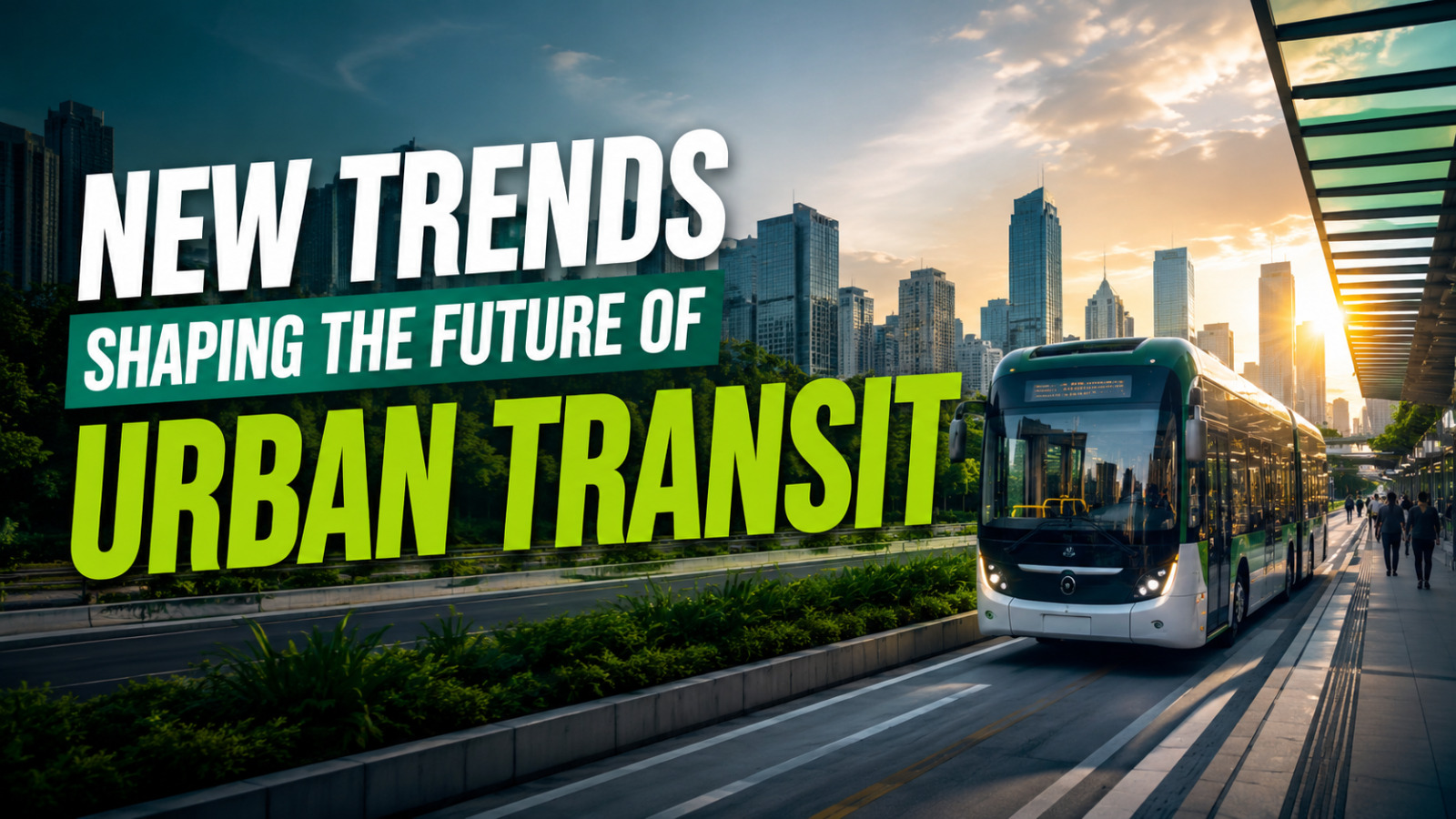
Urban transit is changing rapidly as cities grow, populations increase, and people demand faster, safer, and more convenient ways to travel. Traditional buses, trains, and other public transportation systems are now being supported by digital technology, cleaner energy, and smarter infrastructure. These changes are helping cities respond to traffic congestion, pollution, and increasing mobility needs.
The future of urban transit is not only about adding more vehicles or routes. It is also about creating a transportation system that is efficient, sustainable, affordable, and accessible for different groups of passengers. Understanding the latest trends can help communities and city planners prepare for a more connected and environmentally friendly transportation future.
SMARTER AND MORE CONNECTED PUBLIC TRANSIT
One of the biggest trends shaping urban transit is the use of smart transportation technology. Modern transit systems can use real-time data to monitor vehicle locations, traffic conditions, passenger demand, and service disruptions. This information allows operators to adjust services and provide passengers with more accurate travel information. Mobile applications can also help people check schedules, plan routes, purchase tickets, and receive service updates from one platform.
Connected transportation can make daily travel more predictable and convenient. Real-time information allows passengers to make better decisions when buses or trains are delayed. Cities can also analyze transportation data to identify crowded routes and improve service based on actual travel patterns. As more systems become connected, public transportation can operate more efficiently while offering a better passenger experience.
ELECTRIC AND LOW-EMISSION TRANSPORTATION
Another important trend is the shift toward cleaner public transportation. Many cities are exploring electric buses, electric trains, and other low-emission technologies to reduce the environmental impact of urban mobility. Electric buses can help lower emissions from public transportation, especially when electricity comes from increasingly cleaner energy sources. This transition can also contribute to better air quality in densely populated areas.
The move toward cleaner vehicles requires investment in charging infrastructure, maintenance, and reliable energy systems. Transit agencies must also consider operating costs, vehicle performance, and route requirements before replacing conventional fleets. When planned carefully, electric public transit can support long-term sustainability while maintaining dependable transportation services. Cleaner fleets are therefore becoming an important part of urban mobility planning.
INTEGRATED TRANSPORTATION NETWORKS
Future urban transportation is expected to become more integrated across different modes of travel. Instead of treating buses, trains, cycling, walking, and other mobility options as separate systems, cities can connect them into a coordinated network. Passengers may be able to use one digital platform to plan a journey involving several transportation modes. This approach can make transfers easier and reduce the inconvenience of changing between services.
Integration is especially important for cities where people live far from major transit stations. First-mile and last-mile connections can help passengers reach public transportation more easily. Bicycle lanes, pedestrian facilities, feeder buses, and shared mobility services can complement major transit routes. A well-connected network gives people more practical alternatives to using private cars for every journey.
DATA DRIVEN TRANSPORTATION PLANNING
Data is becoming increasingly valuable for improving the way cities manage transportation. Transit agencies can collect information about passenger numbers, travel times, vehicle performance, and route demand. By analyzing this information, planners can identify areas where services need improvement. Data driven planning can help transportation systems respond more effectively to changing travel patterns.
However, the use of transportation data also requires responsible management. Cities and transit operators need to protect passenger privacy and use information appropriately. Clear policies and secure digital systems are important when collecting and processing mobility data. When handled responsibly, transportation data can support better decisions, more efficient operations, and improved public services.
MORE ACCESSIBLE AND PASSENGER FRIENDLY SERVICES
Accessibility is another major trend in the future of urban transit. Public transportation should be designed to serve people with different physical abilities, ages, incomes, and mobility needs. Features such as step-free access, accessible vehicles, clear signs, audio announcements, and safer stations can make transit easier to use. These improvements can help more people travel independently and confidently.
Passenger expectations are also changing as people become accustomed to convenient digital services. Contactless payment, mobile ticketing, journey planning applications, and real-time notifications can simplify the travel process. At the same time, cities must ensure that technology does not exclude people who have limited access to smartphones or digital services. Inclusive public transportation should combine modern technology with practical services that remain accessible to everyone.
CONCLUSION
The future of urban transit will be shaped by smart technology, cleaner vehicles, integrated networks, data analysis, and improved accessibility. These trends can help cities manage growing populations while addressing congestion, pollution, and changing passenger expectations. Modern public transportation can become more efficient when technology and infrastructure are developed together.
Successful urban transit will require long-term planning and cooperation between governments, transportation operators, technology providers, and communities. The goal should not simply be to introduce new technology but to create transportation systems that are reliable, affordable, sustainable, and easy to use. By adopting these trends carefully, cities can build stronger mobility networks and create better travel experiences for future generations.
About the Author
Gusti Ayu Tita P
Author — STEKOM University
An active author focused on academic issues, educational technology, and human resource development in the campus environment.















