Only Children and Family Expectations How to Maintain Emotional Well-Being
Gusti Ayu Tita P
7 September 2026
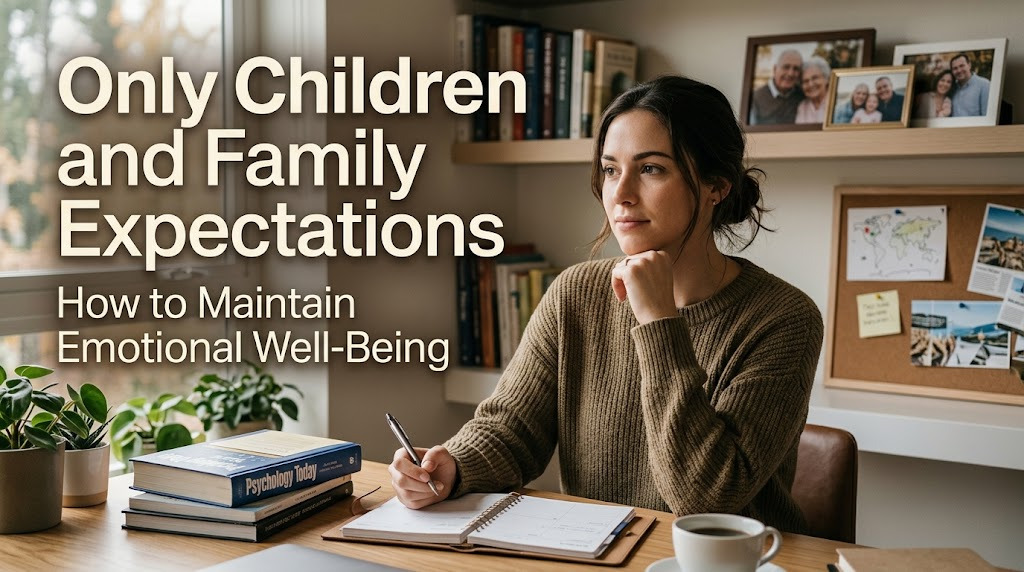
Being an only child can come with unique family experiences. Without siblings, children may receive considerable attention from their parents and sometimes become the main focus of family hopes and expectations. While this attention can be positive, excessive expectations may create emotional pressure if children feel that they must always meet certain standards.
Family expectations can influence how an only child views achievement, failure, relationships, and personal choices. Therefore, parents need to create a healthy balance between providing guidance and allowing children to develop their own identity. Emotional well-being becomes stronger when children feel loved for who they are, not only for what they achieve.
UNDERSTANDING FAMILY EXPECTATIONS
Family expectations are not always negative. Parents naturally want their children to have a secure future, make responsible decisions, and develop good character. Problems can arise when expectations become unrealistic or when children believe that disappointing their parents means they are no longer valued. Healthy expectations should encourage growth without creating constant fear of failure.
Only children may sometimes feel that they carry the hopes of the entire family. Because there are no siblings sharing the same expectations, academic success, career choices, or personal achievements may receive significant attention. Parents should recognize that every child has different abilities and interests. Understanding these differences can prevent unnecessary emotional pressure.
AVOIDING EXCESSIVE PRESSURE TO SUCCEED
Academic performance and future careers are common areas where family expectations become noticeable. Parents may encourage an only child to achieve high grades, enter a particular profession, or follow a specific career path. Although encouragement can be helpful, excessive pressure can make children feel that their worth depends on achievement. Success should be viewed as a process of learning and development rather than a requirement for receiving love.
Parents can help by focusing on effort, progress, and personal improvement. Instead of constantly comparing results with other children, they can discuss what the child learned and what challenges were overcome. This approach allows children to understand that mistakes are part of development. A supportive environment gives children permission to fail, learn, and try again.
GIVING CHILDREN SPACE TO BUILD THEIR OWN IDENTITY
An only child needs opportunities to discover personal interests, values, and goals. Parents may have strong ideas about what their child should become, but those ideas should not completely determine the child's future. Allowing children to explore different hobbies, subjects, and experiences can help them understand themselves better. Personal identity develops when children are given space to make appropriate choices.
This does not mean parents should stop providing guidance. Instead, parents can act as mentors who explain possible consequences while allowing children to participate in decision-making. For example, parents can discuss different educational or career options without demanding one particular choice. This balance helps children become more confident and responsible.
ENCOURAGING OPEN COMMUNICATION
Open communication is one of the most effective ways to protect an only child's emotional well-being. Children should feel comfortable telling their parents when expectations become difficult to manage. Regular conversations can help parents understand whether their child is experiencing stress, disappointment, or fear of failure. Listening carefully is often more valuable than immediately offering advice.
Parents should avoid turning every conversation into a discussion about grades, achievements, or future plans. Talking about hobbies, friendships, entertainment, and everyday experiences can strengthen the emotional connection between parents and children. When communication feels natural, children may become more willing to discuss serious concerns. Trust grows when children know that their feelings will be respected.
BALANCING GUIDANCE AND PERSONAL FREEDOM
Parents have an important role in teaching responsibility, discipline, and good decision-making. However, children also need reasonable freedom to experience consequences and learn from their choices. An only child who receives excessive control may become overly dependent on parental approval. Healthy parenting combines clear boundaries with opportunities for independence.
Parents can give children age-appropriate choices in everyday life. Choosing hobbies, organizing study schedules, selecting activities, or expressing personal preferences can help children practice decision-making. As they become older, they can gradually take greater responsibility for important decisions. This process builds confidence while maintaining a supportive relationship with the family.
HANDLING EXPECTATIONS ABOUT FAMILY RESPONSIBILITIES
Only children may sometimes worry about future family responsibilities, especially when they think about caring for aging parents. These concerns can become stronger when parents frequently discuss the idea that the child must handle everything alone. Such conversations should be approached carefully and realistically. Family responsibility should be discussed as a shared process rather than presented as a burden that one person must carry.
Parents can reassure their children that future circumstances will be handled step by step. It is also useful to teach practical skills such as financial planning, communication, and household management without creating unnecessary fear about the future. Preparing children for responsibility does not require making them anxious about it. Good preparation builds confidence instead of creating emotional pressure.
BUILDING A HEALTHY EMOTIONAL ENVIRONMENT
A healthy family environment allows an only child to experience both support and freedom. Parents can show affection, recognize achievements, accept mistakes, and encourage healthy relationships outside the home. Children benefit when they know that their parents care about their emotional needs as much as their accomplishments. Unconditional emotional support can become an important foundation for long-term well-being.
Parents should also remember that emotional well-being is influenced by many factors beyond family expectations. Friendships, school experiences, hobbies, personality, and the broader social environment can all shape a child's development. If a child experiences persistent emotional difficulties, seeking guidance from a qualified professional can be appropriate. The goal is to ensure that the child has the support needed to grow with confidence and emotional stability.
CONCLUSION
Being an only child can create unique family dynamics, including strong parental attention and potentially high expectations. However, expectations do not have to become a source of emotional pressure. Parents can protect an only child's emotional well-being by balancing guidance, freedom, communication, and unconditional support.
Children should be encouraged to develop their own identity and pursue goals that match their abilities and interests. When parents focus on growth rather than perfection, children can become more resilient and confident. A supportive family does not demand that an only child fulfill every expectation; it helps them build the confidence to create a meaningful life of their own.
About the Author
Gusti Ayu Tita P
Author — STEKOM University
An active author focused on academic issues, educational technology, and human resource development in the campus environment.