People Pleaser The Habit Of Always Trying To Please Others
Gusti Ayu Tita P
7 September 2026
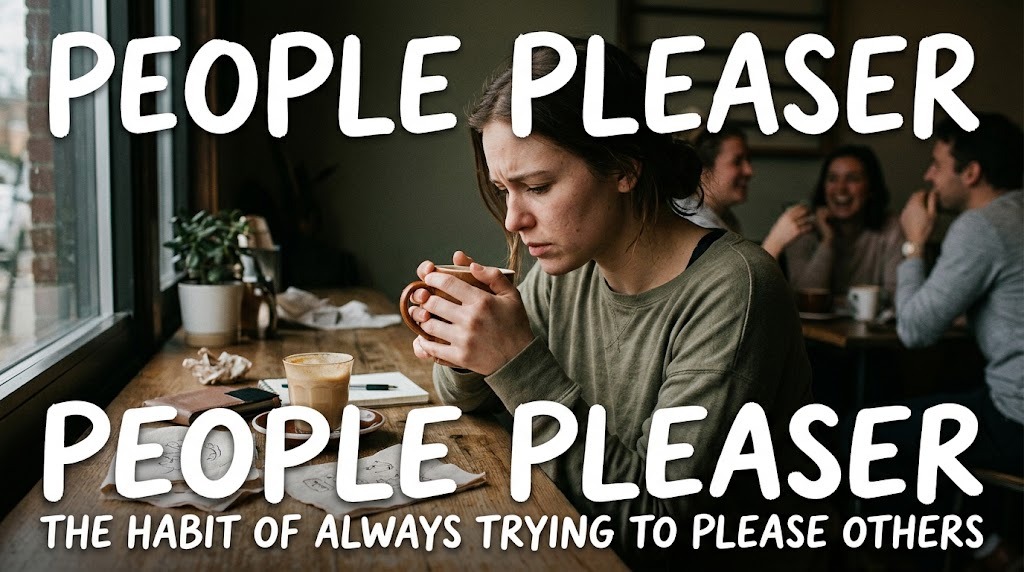
A people pleaser is someone who often puts other people’s needs, feelings, or expectations before their own. Helping others and being considerate are positive qualities, but they can become unhealthy when a person feels that they must always make everyone happy. People pleasers may find it difficult to say no because they are afraid of disappointing, upsetting, or losing someone. Over time, this habit can affect their confidence, emotional well being, and personal boundaries. Understanding people pleasing is an important first step toward building healthier relationships while still caring about others.
WHAT IS A PEOPLE PLEASER?
A people pleaser is a common term for someone who has a strong tendency to seek approval by constantly trying to satisfy other people. They may agree with requests even when they are tired, busy, or uncomfortable. They can also change their opinions or behavior to avoid disagreement. Although being helpful is not a problem by itself, people pleasing becomes concerning when someone repeatedly ignores their own needs to gain acceptance.
People pleasing is not a formal mental health diagnosis. It is better understood as a behavioral pattern or tendency that can appear in different relationships and situations. Some people may only experience it in certain environments, while others may practice it regularly. The important question is whether helping others remains a voluntary choice or becomes something a person feels unable to refuse.
WHY DO PEOPLE BECOME PEOPLE PLEASERS?
There is no single reason why someone becomes a people pleaser. The behavior can develop from past experiences, learned habits, fear of rejection, low self confidence, or a strong desire to avoid conflict. Some people may have learned that keeping others happy is the easiest way to maintain peace in their relationships. Others may worry that expressing their real needs will cause criticism or disappointment.
Social environments can also influence this behavior. A person who regularly receives approval for being helpful may begin to associate being needed with being valuable. Eventually, they may feel uncomfortable when they prioritize themselves. Understanding these possible influences can help people recognize the pattern without blaming themselves for having it.
ALWAYS SAYING YES TO OTHERS
One of the most noticeable signs of people pleasing is always saying yes. A people pleaser may accept invitations, requests, or responsibilities even when they do not have enough time or energy. They may say yes quickly because saying no feels uncomfortable. After agreeing, they may experience stress because the commitment is more than they can realistically handle.
Learning to pause before answering can make a significant difference. Instead of immediately accepting a request, a person can take time to consider whether they genuinely have the capacity to help. Asking questions such as Do I have enough time and energy for this can encourage more thoughtful decisions. This simple habit can gradually make it easier to protect personal limits.
FEAR OF DISAPPOINTING OTHER PEOPLE
Many people pleasers have a strong fear of disappointing others. They may believe that someone will become angry, lose interest, or think badly of them if they refuse a request. Because of this fear, they often choose to sacrifice their own comfort. The desire to avoid disappointment can become stronger than their awareness of their own needs.
However, disappointment is a normal part of human relationships. We cannot control how another person feels when they hear a no, but we can control how respectfully we communicate our decision. A healthy relationship should allow both people to have different needs and limitations. Understanding this can help reduce the pressure to make everyone happy.
DIFFICULTY SAYING NO
For a people pleaser, saying no can feel much harder than saying yes. They may worry that a simple refusal will damage a relationship or make them appear selfish. As a result, they may agree to tasks that they cannot realistically complete. This can eventually lead to stress, exhaustion, frustration, and resentment.
A useful way to practice is to start with small situations. A person can use polite but clear expressions such as explaining that they are unable to help at that moment. There is no need to create a complicated excuse every time. A respectful no is still a complete answer, especially when a request exceeds personal limits.
IGNORING PERSONAL NEEDS
People pleasers may become so focused on others that they stop paying attention to their own needs. They may continue working when they need rest or agree to plans when they actually need personal time. Over time, this pattern can make it difficult to identify what they genuinely want or need. They may become more familiar with other people’s expectations than with their own preferences.
Paying attention to personal needs is not selfish. Everyone needs sufficient rest, personal space, emotional support, and time for activities that matter to them. Creating small moments to check in with oneself can help restore this awareness. When people understand their own needs, they can make decisions that are more balanced and sustainable.
DEPENDING TOO MUCH ON OTHER PEOPLE’S APPROVAL
Another common characteristic of people pleasing is depending heavily on external validation. A person may feel confident when receiving praise but quickly doubt themselves after receiving criticism. This can make their self worth dependent on how other people react to them. They may constantly wonder whether their behavior is acceptable or whether everyone is satisfied with them.
Building self validation can help reduce this dependence. Instead of always waiting for approval, a person can recognize their own effort and evaluate decisions based on personal values. Mistakes can be treated as opportunities to learn rather than proof of failure. Over time, this approach can support a more stable sense of self confidence.
AVOIDING CONFLICT AT ALL COSTS
People pleasers often try to avoid conflict because disagreement can feel threatening or uncomfortable. They may stay silent even when something bothers them because they want to keep the situation peaceful. Although avoiding unnecessary conflict can sometimes be useful, always avoiding disagreement can prevent honest communication. Problems that remain unspoken may eventually become more difficult to solve.
Healthy relationships do not require everyone to have identical opinions. People can disagree while still treating each other with respect. Learning to express disagreement calmly is therefore an important skill. Instead of thinking that conflict always means failure, people can view respectful disagreement as part of healthy communication.
THE IMPACT OF PEOPLE PLEASING
Constantly trying to please others can have several negative effects. A person may experience emotional exhaustion because they continuously monitor other people’s needs and reactions. They may also feel frustrated when their efforts are not appreciated. If personal needs are repeatedly ignored, stress and resentment can gradually build.
People pleasing can also affect relationships. When someone always agrees, other people may not realize what they genuinely think or need. This can create unbalanced relationships where one person gives more than they can comfortably afford. Honest communication and clear boundaries can help create relationships based on mutual respect instead of constant sacrifice.
HOW TO STOP ALWAYS TRYING TO PLEASE OTHERS
Changing people pleasing habits does not require becoming less caring. The goal is to develop a healthier balance between caring for others and caring for yourself. Start by identifying situations where saying yes is driven by fear rather than genuine willingness. Then practice making small decisions based on personal needs and priorities.
It is also helpful to develop the habit of pausing before agreeing to requests. Give yourself permission to think before responding, especially when the request requires significant time or energy. Practice saying no politely and accept that some people may not always agree with your decisions. These steps can gradually strengthen confidence and personal boundaries.
HOW TO BUILD HEALTHIER PERSONAL BOUNDARIES
Personal boundaries define what a person is comfortable accepting and what they are not able or willing to do. Boundaries can involve time, privacy, communication, responsibilities, and personal space. For people pleasers, setting boundaries may initially feel uncomfortable because they are used to prioritizing others. However, boundaries are essential for maintaining balanced relationships.
Healthy boundaries do not require aggressive communication. They can be expressed through clear, calm, and respectful words. A person can explain that they need time to rest or that they cannot take on another responsibility. When boundaries are communicated consistently, people around them can better understand their limitations.
LEARNING TO ACCEPT THAT NOT EVERYONE WILL BE HAPPY
One of the hardest lessons for a people pleaser is accepting that not everyone will always be happy with their choices. Different people naturally have different expectations, preferences, and opinions. Trying to satisfy everyone is therefore an impossible goal. A person can be respectful and considerate without taking complete responsibility for everyone else’s emotions.
Accepting this reality can make personal decisions easier. A healthy choice may sometimes disappoint someone, but that does not automatically mean the choice is wrong. What matters is whether the decision is reasonable, respectful, and consistent with personal values. Learning this can help people move away from constant approval seeking and toward greater emotional independence.
BUILDING CONFIDENCE WITHOUT LOSING KINDNESS
People pleasing does not have to disappear by becoming cold or uncaring. A person can remain kind while also developing confidence and self respect. Confidence allows someone to recognize that their needs are important too. It also makes it easier to communicate honestly without constantly fearing rejection.
Start by recognizing personal strengths and achievements, including small improvements. Avoid using other people’s opinions as the only measure of personal worth. When mistakes happen, treat them as part of the learning process rather than reasons to criticize yourself. Over time, self confidence can make healthy boundaries and honest communication feel more natural.
WHEN SHOULD SOMEONE SEEK SUPPORT?
People pleasing can often be addressed through gradual changes in habits and communication. However, additional support may be useful if the pattern causes significant distress or interferes with daily life and relationships. Talking to a trusted person can provide encouragement and a different perspective. If the behavior feels difficult to change alone, a qualified mental health professional can help explore the patterns behind it.
Seeking professional support does not mean that someone is weak. It can be a practical step toward understanding personal behavior and developing healthier ways to respond to social pressure. The process does not need to happen quickly. Small and consistent changes can be meaningful when they help a person become more comfortable with their own needs and boundaries.
CONCLUSION
Being a people pleaser often means spending too much energy trying to keep other people satisfied. While kindness and helpfulness are valuable qualities, constantly ignoring personal needs can create emotional exhaustion and unhealthy relationships. Learning to say no, setting boundaries, reducing dependence on approval, and building self confidence can help break this pattern. The goal is not to stop caring about others but to create a healthier balance between compassion for others and respect for yourself.
Becoming more confident may feel uncomfortable at first, especially for someone who has spent a long time seeking approval. However, it is possible to develop healthier habits through small and consistent steps. You do not have to make everyone happy to be a valuable person. Learning to respect your own needs can create stronger relationships and a more authentic way of living.
About the Author
Gusti Ayu Tita P
Author — STEKOM University
An active author focused on academic issues, educational technology, and human resource development in the campus environment.