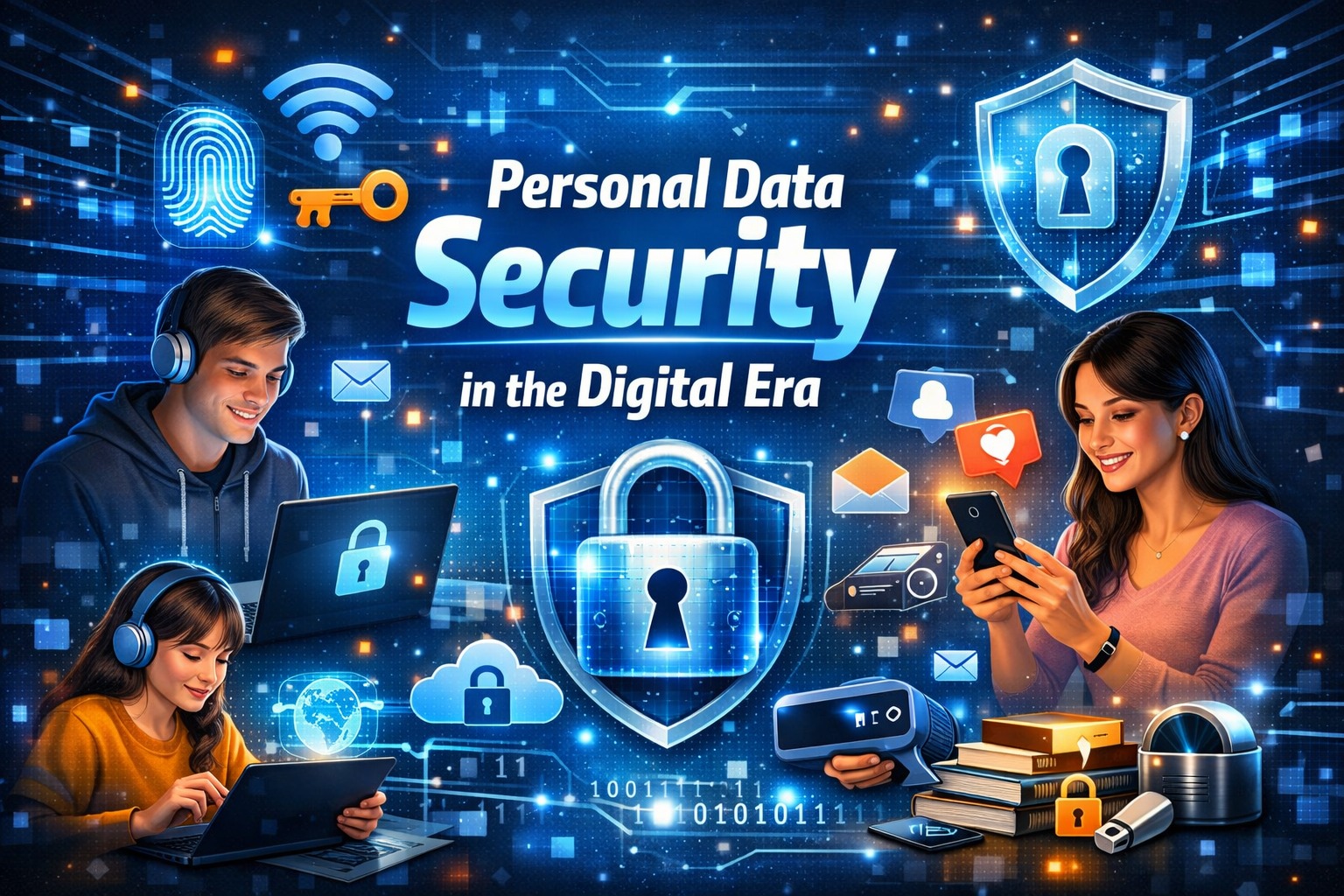
The digital era has transformed how we communicate, shop, work, and store information. Every online interaction leaves a trail of personal data, from social media profiles to banking details. While technology offers convenience and efficiency, it also brings new risks. Understanding how to protect personal data is no longer optional—it is essential.
WHY PERSONAL DATA SECURITY MATTERS
Personal data includes names, addresses, phone numbers, financial information, browsing habits, and even location history. Cybercriminals target this information to commit identity theft, financial fraud, and other malicious activities.
Major technology companies such as Google, Apple, Microsoft, and Meta Platforms store and process enormous amounts of user data. While these organizations invest heavily in security, users must still play an active role in protecting their information.
Without proper protection, data breaches can cause:
* Financial losses
* Reputational damage
* Emotional stress
* Long-term privacy risks
COMMON THREATS TO PERSONAL DATA
Understanding the threats is the first step toward prevention. Some of the most common risks include:
1. PHISHING ATTACKS
Phishing involves fake emails or websites designed to trick users into revealing passwords or financial details. These scams often look legitimate and urgent.
2. MALWARE AND RANSOMWARE
Malicious software can steal or lock your data. Ransomware attacks demand payment to restore access, which can be devastating for both individuals and businesses.
3. PUBLIC WI-FI RISKS
Unsecured public Wi-Fi networks allow hackers to intercept sensitive information, especially when users access banking or personal accounts.
4. SOCIAL ENGINEERING
Cybercriminals manipulate human psychology to gain trust and access to private data, often through phone calls or social media messages.
PRACTICAL STEPS TO PROTECT YOUR DATA
Improving personal data security does not require advanced technical skills. Simple habits can significantly reduce risks.
1. USE STRONG AND UNIQUE PASSWORDS
Avoid using the same password across multiple accounts. Create complex passwords with a mix of letters, numbers, and symbols. Password managers can help store them securely.
2.ENABLE TWO-FACTOR AUTHENTICATION
Two-factor authentication (2FA) adds an extra layer of protection. Even if a password is stolen, the second verification step prevents unauthorized access.
3. UPDATE SOFTWARE REGULARLY
Software updates often include security patches. Ignoring updates leaves devices vulnerable to known threats.
4. BE CAUTIOUS WITH LINKS AND DOWNLOADS
Never click suspicious links or download unknown attachments. Always verify the source before taking action.
5. LIMIT DATA SHARING ONLINE
Review privacy settings on social media and apps. Share only the information that is necessary.
THE ROLE OF DIGITAL AWARENESS
Technology evolves rapidly, and so do cyber threats. Staying informed about new risks helps individuals adapt and remain protected. Digital awareness should be part of everyday life, just like locking your home or safeguarding your wallet.
Teaching children, students, and employees about cybersecurity creates a culture of responsibility. The more people understand digital safety, the harder it becomes for cybercriminals to succeed.
FUTURE TRENDS IN DATA SECURITY
Emerging technologies are shaping the future of cybersecurity:
* Artificial intelligence detecting threats faster
* Biometric authentication replacing passwords
* Stronger data privacy regulations worldwide
* Increased focus on zero-trust security models
While technology will continue to improve security systems, human awareness and responsibility will remain the strongest defense.
CONCLUSION
Personal data security in the digital era is a shared responsibility between technology providers and users. By understanding threats, practicing safe online habits, and staying informed, individuals can protect their privacy and maintain control over their digital lives. In a world driven by data, security is not just a technical issue—it is a personal necessity.
About the Author
Gusti Ayu Tita P
Author — STEKOM University
An active author focused on academic issues, educational technology, and human resource development in the campus environment.