Practical Snacks to Bring on Your Homecoming Trip
Gusti Ayu Tita P
10 Agustus 2026
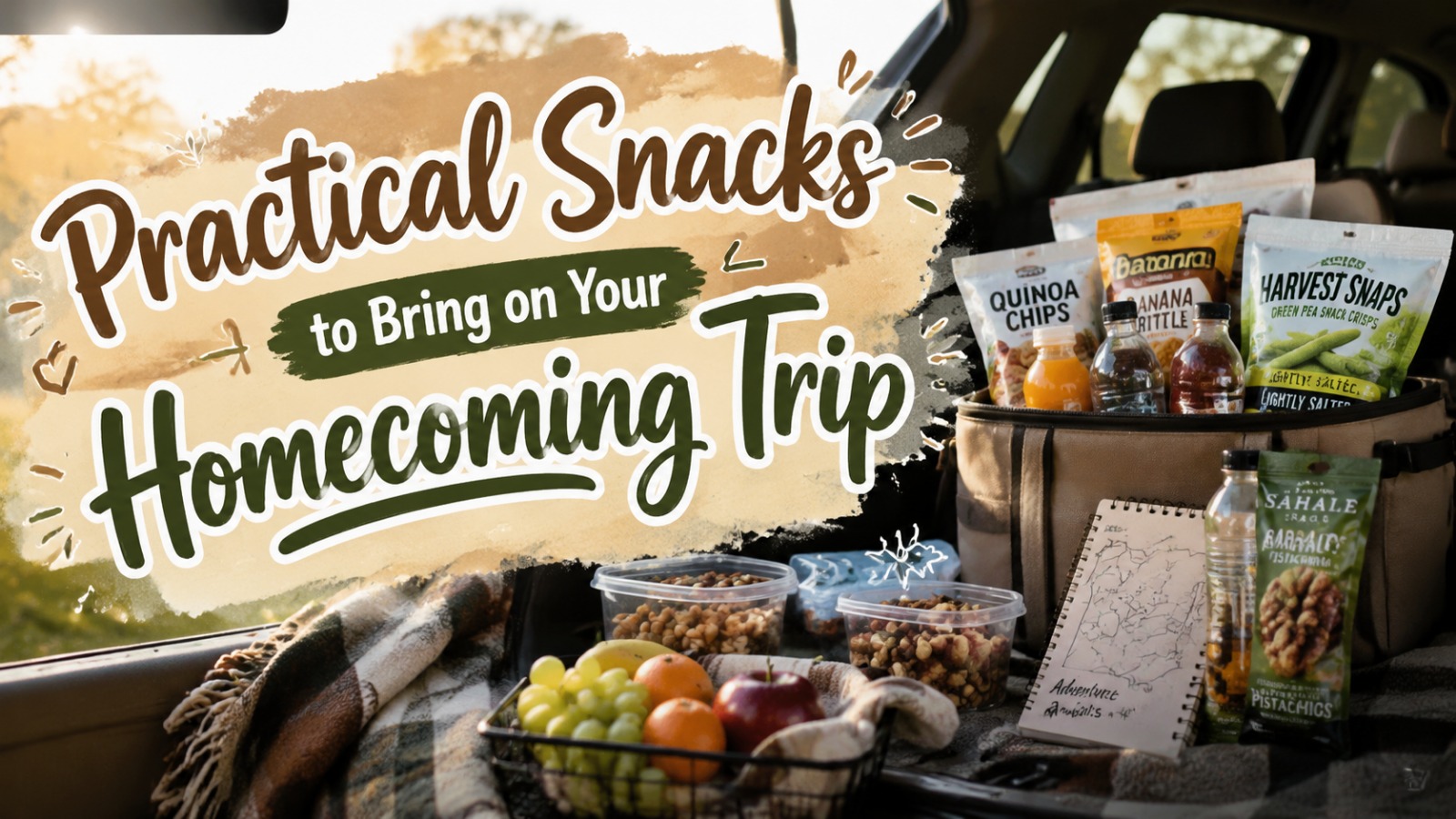
A homecoming trip can take several hours, especially when roads are crowded and travel distances are long. During a long journey, having the right snacks can help maintain energy and prevent excessive hunger. However, not every type of food is suitable for travel because some foods spoil quickly or are difficult to eat in a moving vehicle. Choosing practical and nutritious snacks can make the journey more comfortable and enjoyable. With simple preparation, travelers can bring food that is easy to store, carry, and consume.
CHOOSE SNACKS THAT ARE EASY TO CARRY
The best travel snacks are foods that can be packed easily and do not require complicated preparation. Crackers, whole grain biscuits, granola bars, and roasted nuts are examples of practical options for long journeys. These foods are generally easy to portion and can be stored in small containers or resealable bags. They can also be eaten without creating too much mess inside a car or other transportation.
Choose packaging that can be opened and closed easily to keep the remaining food protected. Individual portions are also useful because they make it easier to control how much food is consumed at one time. Avoid snacks with excessive crumbs, strong odors, or packaging that is difficult to handle. Convenient packaging can make snack time much easier when traveling with family.
BRING FRESH FRUITS FOR NATURAL NUTRIENTS
Fresh fruit can be an excellent addition to a homecoming travel menu. Apples, oranges, grapes, and bananas are relatively practical choices, although their suitability depends on how they are packed and the length of the journey. Fruits provide nutrients and can also add variety to snacks that are otherwise dominated by packaged foods. Wash fresh produce properly before packing and keep it protected from contamination.
Cut fruit can be convenient but usually requires more careful storage than whole fruit. If fruit is cut before the trip, place it in a clean, sealed container and keep it appropriately chilled when necessary. Avoid leaving perishable fruit in a hot vehicle for extended periods. Whole fruits are often the simplest option when refrigeration is limited.
PACK NUTRITIOUS PROTEIN-RICH SNACKS
Protein-containing snacks can help make meals and snacks more satisfying during a long journey. Nuts, seeds, roasted chickpeas, and shelf-stable protein snacks can be practical choices depending on individual dietary needs. They are generally easy to pack and can be divided into small portions. Travelers should check food labels when choosing packaged products, especially if they need to limit salt, sugar, or certain ingredients.
For families traveling with children, consider snacks that are suitable for their age and eating abilities. Avoid foods that may present a choking risk for young children. If anyone in the family has a food allergy, check ingredients carefully and keep potentially unsafe foods separate. Safe food choices are just as important as nutritional value during a long trip.
CHOOSE LIGHT AND BALANCED SNACKS
Eating very heavy foods during a long journey can make some people feel uncomfortable or sluggish. Instead, choose light snacks with a balance of carbohydrates, protein, and fiber. Whole grain crackers combined with nuts or fruit can provide a simple combination of nutrients. The right portion also matters because eating too much at once may cause discomfort.
Travelers do not need to avoid all favorite snacks during the trip. Sweet or savory treats can still be included occasionally as part of a balanced selection. However, snacks high in added sugar, salt, or saturated fat are better consumed in moderation. A balanced snack selection can help travelers maintain energy without relying entirely on highly processed foods.
DO NOT FORGET ENOUGH DRINKING WATER
Snacks are only one part of staying comfortable during a homecoming trip. Drinking water regularly is important because long journeys, warm weather, and physical activity can increase the need for fluids. Bring a reusable water bottle or enough safe drinking water for the journey. Keep water within easy reach so passengers do not need to search through luggage whenever they feel thirsty.
Sweet drinks can be consumed occasionally, but water is generally a better everyday choice for hydration. Drinks containing caffeine should also be consumed thoughtfully, particularly by people who are sensitive to caffeine. Avoid relying on sugary beverages as the main source of fluids. Adequate hydration can support overall comfort and help travelers feel fresher during a long trip.
AVOID FOODS THAT SPOIL QUICKLY
Food safety is especially important when traveling without reliable refrigeration. Foods containing ingredients such as meat, dairy, eggs, or creamy sauces may require careful temperature control. If perishable food is brought along, use an appropriate insulated cooler and keep it cold for as long as needed. Do not leave perishable foods in a hot vehicle for extended periods.
When in doubt, choose foods that are shelf-stable and less sensitive to temperature changes. Check expiration dates and packaging condition before packing processed snacks. Do not consume food if its packaging is damaged or if the food has an unusual smell, appearance, or texture. Taking these precautions can reduce the risk of foodborne illness during travel.
PACK SNACKS IN CLEAN AND SECURE CONTAINERS
Proper storage can help maintain the quality and cleanliness of travel snacks. Use clean, food-safe containers or resealable bags to separate different types of food. Keep wet foods away from dry snacks to prevent them from becoming soggy. Containers should also be strong enough to prevent food from being crushed inside a backpack or travel bag.
Labeling containers can be useful when traveling with several family members. Parents can prepare separate snack portions for children to make distribution easier. Bring tissues, napkins, and small waste bags to keep the travel area clean after eating. Organized food storage makes snacks easier to find and reduces unnecessary mess during the journey.
PREPARE SNACKS ACCORDING TO THE TRIP
The length and type of journey should influence the snacks you bring. A short trip may only require a few light snacks, while a long-distance journey may require more food and greater variety. Consider the number of travelers, access to rest areas, weather conditions, and availability of food along the route. Planning portions in advance can prevent both food shortages and unnecessary waste.
Families traveling with children may need additional snacks because children can become hungry more frequently. Older adults or travelers with specific dietary requirements may also need suitable food options. If traveling by airplane or across regions with food restrictions, check the applicable transportation or destination rules before packing. A practical snack plan should match the actual needs of the travelers.
KEEP THE TRAVEL AREA CLEAN
Eating during a long journey should not result in an uncomfortable or dirty travel environment. Bring napkins, tissues, wet wipes, and small trash bags to clean up after eating. Dispose of food packaging properly at rest areas or other designated waste facilities. Avoid leaving food wrappers or containers inside the vehicle because they can create unpleasant odors and attract insects.
Clean hands before eating, especially after touching public surfaces during stops. Hand sanitizer can be useful when soap and clean running water are not immediately available. However, hand sanitizer should be used according to its label and should not replace handwashing when hands are visibly dirty. Good hygiene habits help make snack time safer and more pleasant.
CONCLUSION
Practical snacks for a homecoming trip should be easy to carry, nutritious, safe, and suitable for the length of the journey. Fruits, whole grain snacks, nuts, seeds, and other shelf-stable foods can provide convenient options for travelers. Drinking enough water and controlling portions are also important for maintaining comfort. Perishable foods require extra attention because improper storage can increase the risk of foodborne illness.
Preparing snacks in advance can make a long homecoming journey more organized and enjoyable. Choose foods based on the travelers' needs, storage conditions, weather, and travel duration. Simple food preparation and proper storage can help reduce unnecessary stops while keeping everyone comfortable. With the right snacks and good hygiene habits, travelers can enjoy their journey with greater confidence.
About the Author
Gusti Ayu Tita P
Author — STEKOM University
An active author focused on academic issues, educational technology, and human resource development in the campus environment.